Data Centers Drive $23 Billion Electricity Price Hike for U.S. Households
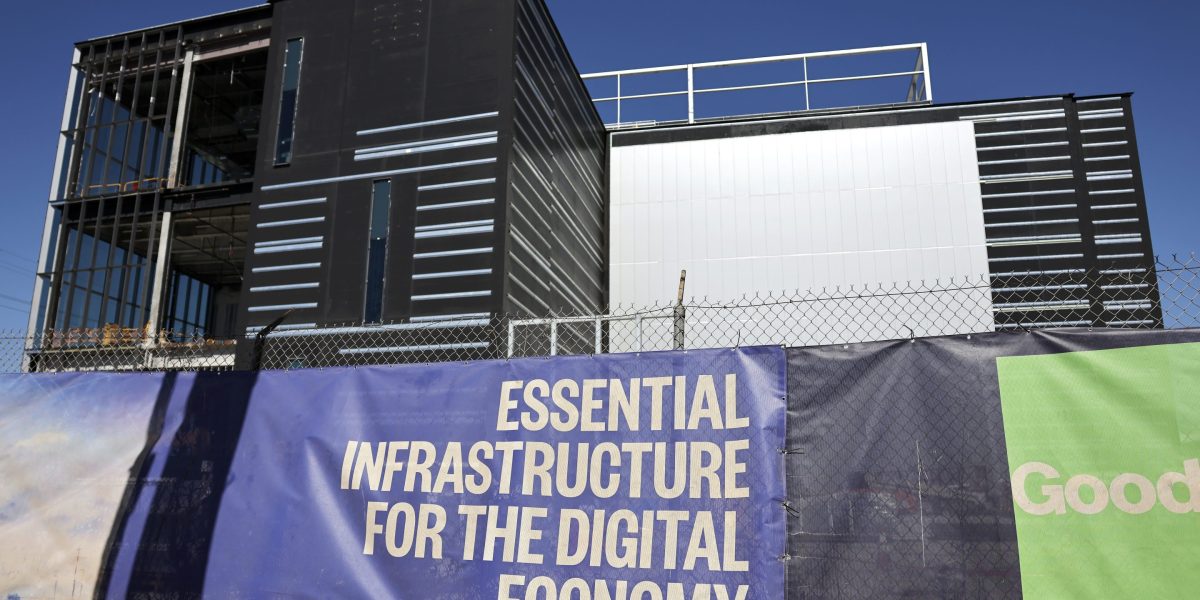
Edited by Casualplayhub News Editorial. Source: Fortune. Casualplayhub News adds summary, context, and editorial framing while linking back to the original report.
The $23 billion hike attributed to data centers reveals a fundamental imbalance in how electricity costs are distributed. Tech giants, with their deep pockets and technical expertise, can navigate the rate-setting system to minimize their share, leaving households vulnerable.
The regulatory framework, designed for a simpler era, struggles to handle sophisticated industrial users who can manipulate peak demand metrics. Meanwhile, consumer advocates are constrained from arguing for specific allocations, creating a vacuum that benefits data centers.
Our economy desk follows the business, policy, labor, and market implications around each development so readers can place the headline inside a wider financial and public-interest context.
This economy briefing was prepared by Casualplayhub News Editorial after reviewing reporting from Fortune. We surface the key public facts, immediate context, and next developments to watch.
Readers should watch for company filings, policy moves, earnings updates, labor responses, and market reaction that provide a clearer signal about the practical impact of the development.
Article commentary
The $23 billion hike attributed to data centers reveals a fundamental imbalance in how electricity costs are distributed. Tech giants, with their deep pockets and technical expertise, can navigate the rate-setting system to minimize their share, leaving households vulnerable. The regulatory framework, designed for a simpler era, struggles to handle sophisticated industrial users who can manipulate peak demand metrics. Meanwhile, consumer advocates are constrained from arguing for specific allocations, creating a vacuum that benefits data centers. This raises questions about fairness and the need for regulatory reform. Policymakers should consider updating cost allocation methods to prevent undue burden on residential customers, especially as AI and cloud computing fuel even more data center growth. Without action, the $23 billion may be just the first installment.