Venezuela After Maduro: US Remote Rule and Earthquake Fallout
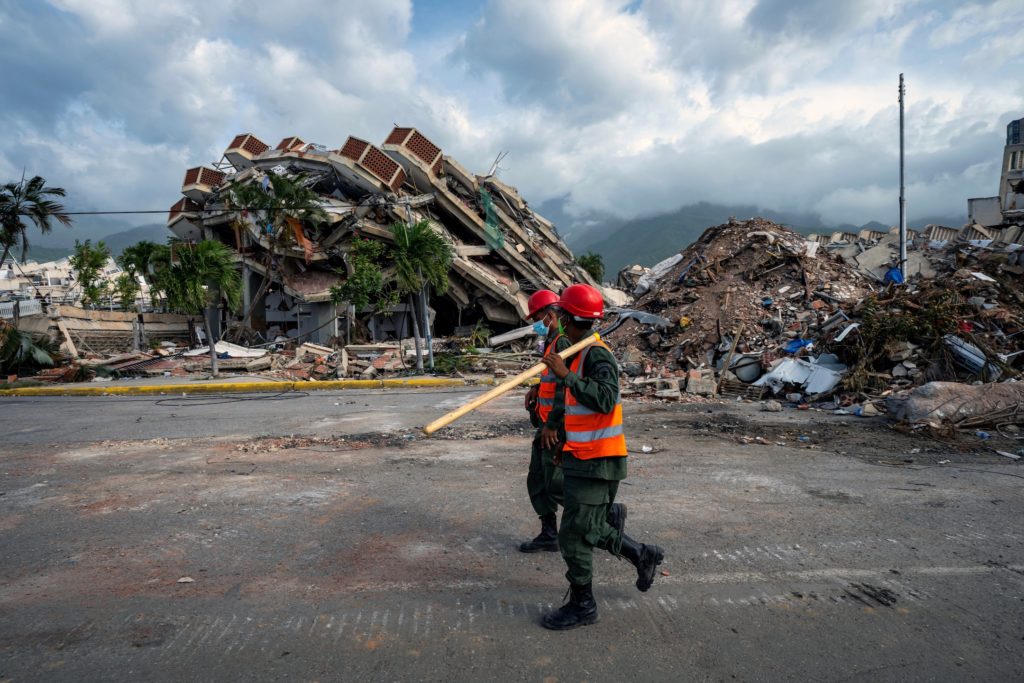
Edited by Casualplayhub News Editorial. Source: PBS NewsHour World. Casualplayhub News adds summary, context, and editorial framing while linking back to the original report.
The panel's discussion underscores a critical truth: military success does not guarantee political stability. The U.
S. has demonstrated its ability to remove a leader, but the earthquake has revealed the profound limitations of remote governance.
Our world desk follows diplomatic responses, regional consequences, and cross-border effects that help explain how a local event can influence the broader international picture.
This world briefing was prepared by Casualplayhub News Editorial after reviewing reporting from PBS NewsHour World. We surface the key public facts, immediate context, and next developments to watch.
Readers should watch for official diplomatic updates, verified casualty or damage assessments, international responses, and follow-up reporting that sharpens the timeline and stakes.
Article commentary
The panel's discussion underscores a critical truth: military success does not guarantee political stability. The U.S. has demonstrated its ability to remove a leader, but the earthquake has revealed the profound limitations of remote governance. The lack of local knowledge, slow aid distribution, and rising public anger point to a systemic failure in planning. This crisis may serve as a cautionary example for future interventions, highlighting the need for robust post-conflict strategies that prioritize local buy-in and rapid humanitarian response. The true test of leadership lies not in the ability to strike, but in the capacity to rebuild.