France Deploys Giant Cargo Plane to Fight Wildfires as 250,000 Displaced
Edited by Casualplayhub News Editorial. Source: Fortune. Casualplayhub News adds summary, context, and editorial framing while linking back to the original report.
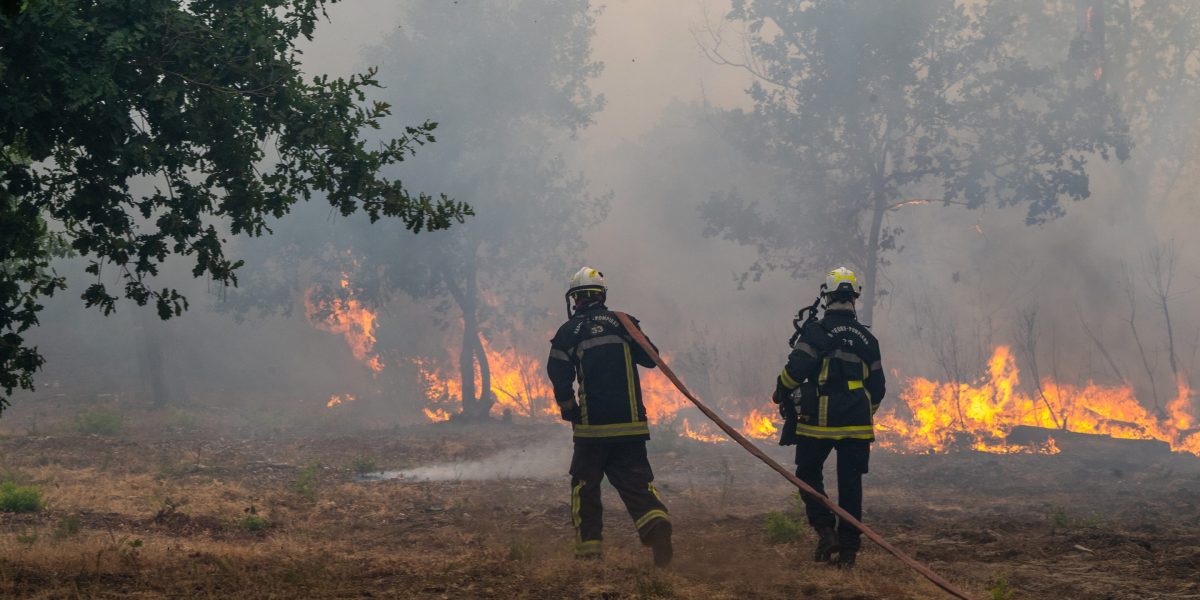
This summer’s European wildfires, intensified by record-breaking heat waves, highlight a troubling trend: climate change is making extreme fire events more frequent and severe. The deployment of a military cargo plane and the disruption of the Tour de France underscore how these fires are stretching emergency resources and affecting daily life on a massive scale.
While international cooperation is commendable, the situation raises urgent questions about long-term preparedness. Investments in fire-resistant infrastructure, early warning systems, and sustainable land management are no longer optional—they are essential.
Our economy desk follows the business, policy, labor, and market implications around each development so readers can place the headline inside a wider financial and public-interest context.
This economy briefing was prepared by Casualplayhub News Editorial after reviewing reporting from Fortune. We surface the key public facts, immediate context, and next developments to watch.
Readers should watch for company filings, policy moves, earnings updates, labor responses, and market reaction that provide a clearer signal about the practical impact of the development.
Article commentary
This summer’s European wildfires, intensified by record-breaking heat waves, highlight a troubling trend: climate change is making extreme fire events more frequent and severe. The deployment of a military cargo plane and the disruption of the Tour de France underscore how these fires are stretching emergency resources and affecting daily life on a massive scale. While international cooperation is commendable, the situation raises urgent questions about long-term preparedness. Investments in fire-resistant infrastructure, early warning systems, and sustainable land management are no longer optional—they are essential. The fires also serve as a stark reminder that the costs of inaction far exceed the investments needed to adapt.