Fast-Food AI: Execs Push Automation, Customers Want Humans
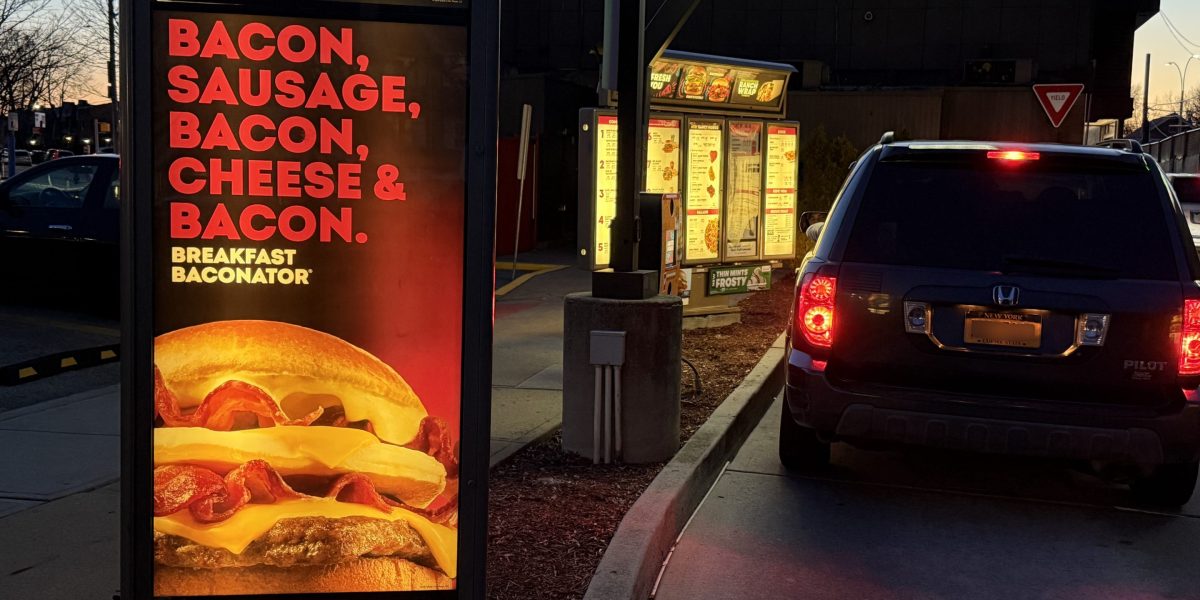
Edited by Casualplayhub News Editorial. Source: Fortune. Casualplayhub News adds summary, context, and editorial framing while linking back to the original report.
The fast-food industry's AI push highlights a classic innovation trap: assuming technological capability equates to consumer demand. While automation promises cost savings and speed, it overlooks the social dimension of food service.
Customers value human interaction, even in brief transactions. The data shows a clear mismatch between executive perception and customer reality.
Our economy desk follows the business, policy, labor, and market implications around each development so readers can place the headline inside a wider financial and public-interest context.
This economy briefing was prepared by Casualplayhub News Editorial after reviewing reporting from Fortune. We surface the key public facts, immediate context, and next developments to watch.
Readers should watch for company filings, policy moves, earnings updates, labor responses, and market reaction that provide a clearer signal about the practical impact of the development.
Article commentary
The fast-food industry's AI push highlights a classic innovation trap: assuming technological capability equates to consumer demand. While automation promises cost savings and speed, it overlooks the social dimension of food service. Customers value human interaction, even in brief transactions. The data shows a clear mismatch between executive perception and customer reality. A more prudent approach would be to deploy AI as a supplement, not a replacement, allowing workers to focus on hospitality. The slow growth in AI acceptance suggests consumer trust will take time to build. Companies that rush automation risk alienating their core customers. The key lesson is that technology should serve human needs, not the other way around.