Inferno in Spokane: Hundreds of Homes Razed, Tens of Thousands Flee
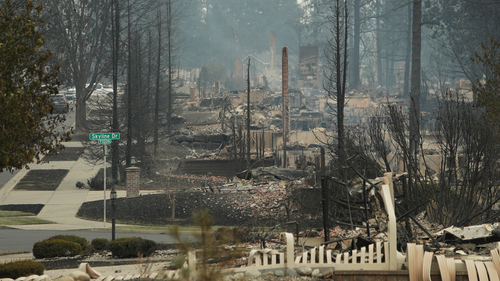
Edited by Casualplayhub News Editorial. Source: ABC30 Fresno World. Casualplayhub News adds summary, context, and editorial framing while linking back to the original report.
The Spokane wildfires highlight a troubling trend: the increasing ferocity and frequency of blazes across the American West. Climate scientists point to prolonged drought, reduced snowpack, and rising temperatures as key drivers.
While no single fire can be attributed solely to climate change, the conditions that enable such destruction are becoming more common. The human toll is immense—thousands displaced, homes and livelihoods lost in hours.
Our world desk follows diplomatic responses, regional consequences, and cross-border effects that help explain how a local event can influence the broader international picture.
This world briefing was prepared by Casualplayhub News Editorial after reviewing reporting from ABC30 Fresno World. We surface the key public facts, immediate context, and next developments to watch.
Readers should watch for official diplomatic updates, verified casualty or damage assessments, international responses, and follow-up reporting that sharpens the timeline and stakes.
Article commentary
The Spokane wildfires highlight a troubling trend: the increasing ferocity and frequency of blazes across the American West. Climate scientists point to prolonged drought, reduced snowpack, and rising temperatures as key drivers. While no single fire can be attributed solely to climate change, the conditions that enable such destruction are becoming more common. The human toll is immense—thousands displaced, homes and livelihoods lost in hours. Emergency response systems are stretched thin, and the need for robust federal support is urgent. This disaster underscores the importance of proactive land management, community preparedness, and investment in firefighting resources. As recovery begins, the conversation must shift toward long-term resilience.