Ghost Cars Exposed: How a NYC Tax Uncovered a Nationwide Insurance Fraud
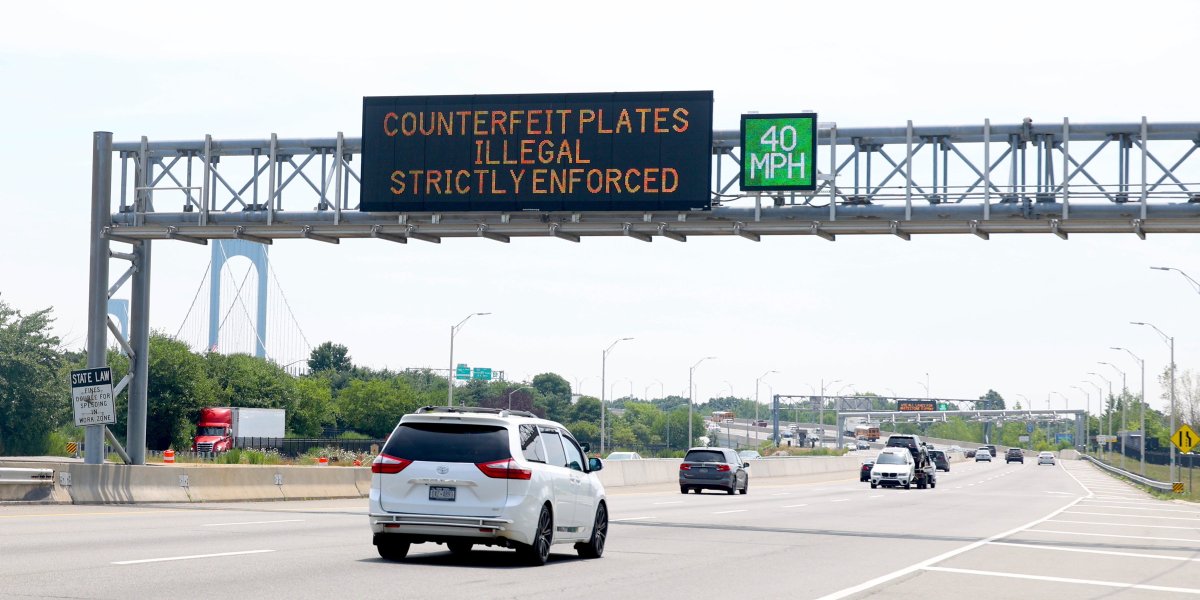
Edited by Casualplayhub News Editorial. Source: Fortune. Casualplayhub News adds summary, context, and editorial framing while linking back to the original report.
The pied-à-terre tax's unintended consequence of exposing ghost car fraud is a masterclass in how policy can reveal hidden systemic issues. While the tax was designed to target wealthy second-home owners, it has instead highlighted a pervasive culture of rate evasion that costs honest drivers and municipalities dearly.
The scope of the problem, from New York to Naples, underscores that this is not merely a local nuisance but a global pattern of exploiting regulatory gaps. The irony is that a tax aimed at luxury homes has ended up auditing the cars of the middle class.
Our economy desk follows the business, policy, labor, and market implications around each development so readers can place the headline inside a wider financial and public-interest context.
This economy briefing was prepared by Casualplayhub News Editorial after reviewing reporting from Fortune. We surface the key public facts, immediate context, and next developments to watch.
Readers should watch for company filings, policy moves, earnings updates, labor responses, and market reaction that provide a clearer signal about the practical impact of the development.
Article commentary
The pied-à-terre tax's unintended consequence of exposing ghost car fraud is a masterclass in how policy can reveal hidden systemic issues. While the tax was designed to target wealthy second-home owners, it has instead highlighted a pervasive culture of rate evasion that costs honest drivers and municipalities dearly. The scope of the problem, from New York to Naples, underscores that this is not merely a local nuisance but a global pattern of exploiting regulatory gaps. The irony is that a tax aimed at luxury homes has ended up auditing the cars of the middle class. Policymakers should consider that aggressive enforcement of residency rules, as seen in the pied-à-terre approach, could be a model for tackling insurance fraud, but they must also address the underlying economic incentives that drive people to cheat.