Child's Refusal to Buckle Up Forces Porter Airlines Flight Cancellation
Edited by Casualplayhub News Editorial. Source: Fortune. Casualplayhub News adds summary, context, and editorial framing while linking back to the original report.
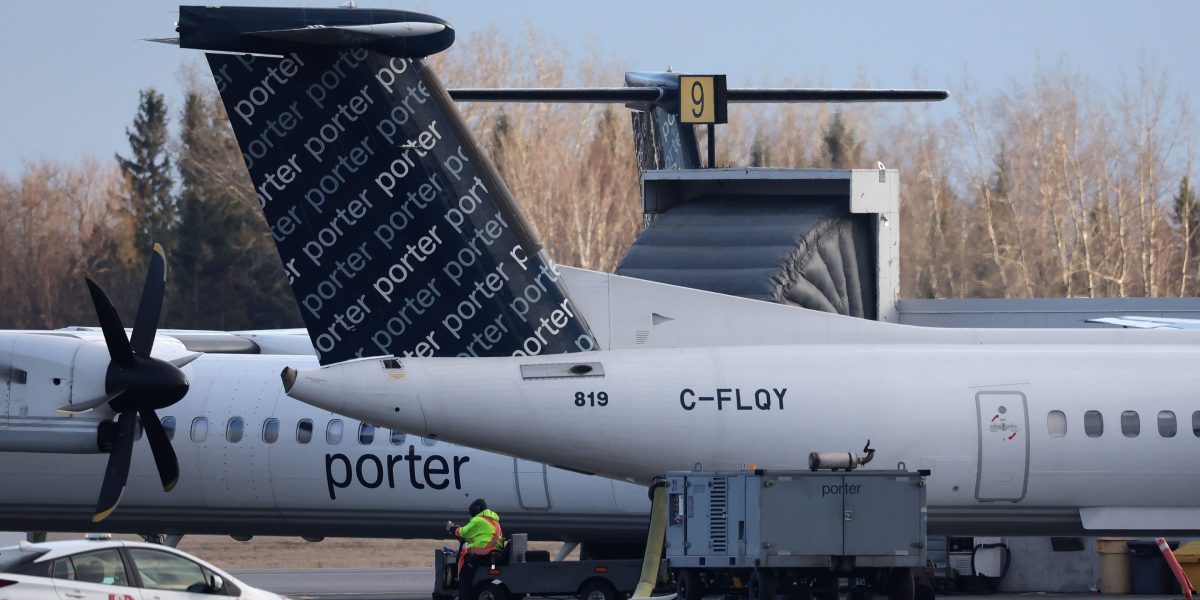
A routine evening flight from Victoria to Toronto turned into an unexpected overnight ordeal for passengers last Thursday, when a young child's refusal to buckle up led to the cancellation of a Porter Airlines flight. The plane had already left the gate at Victoria International Airport in British Columbia when crew members realized the child was not seated properly with a fastened seatbelt. Despite repeated attempts by both the flight attendants and the child's parent to secure the child in the seat, the situation remained unresolved. The aircraft was then directed back to the terminal, where the parent and child were asked to deplane along with their luggage. By the time the removal was completed, the flight had missed the airport's 12:30 a.m. runway closure, making departure impossible. The remaining passengers were forced to disembark, and Porter Airlines apologized for the disruption, rebooking them on a flight the following day.
Porter Airlines, based in Toronto, confirmed that the incident occurred on Thursday evening. The airline stated that the crew and the parent made every effort to ensure the child complied with safety regulations, but the situation escalated to the point where returning to the gate was the only viable option. The airline did not disclose the age of the child or the specific reasons for the refusal, but emphasized that safety protocols require all passengers to be seated and belted during takeoff and landing. The delay caused by the removal of the parent and child, along with their checked baggage, pushed the flight past the airport's curfew, which is in place to minimize noise and operational disruptions during late-night hours.
This incident is a vivid reminder of the delicate balance airlines must maintain between enforcing safety rules and accommodating passengers, especially young children. While most parents manage to keep their children calm and compliant, occasional challenges can lead to significant delays. In this case, the decision to cancel the flight was not taken lightly. Porter Airlines expressed regret for the inconvenience caused to the other travelers, who were offered overnight accommodations and rebooking on the next available flight. The airline also noted that the safety of all passengers and crew is the top priority, and that the crew acted in accordance with standard procedures.
The broader implications of such events touch on airline policies regarding unruly passengers, child safety, and operational efficiency. Airlines have strict guidelines for seatbelt use, and any passenger who refuses to comply can be removed from the aircraft. In this case, the child's refusal was not due to a medical condition or a valid exemption, but rather a behavioral issue. The parent's inability to manage the situation led to a chain reaction that disrupted dozens of travelers' plans. This also raises questions about how airlines and airports handle similar incidents in the future, particularly with increasing scrutiny on passenger conduct and safety.
For passengers affected, the experience was undoubtedly frustrating. Travelers who had planned to arrive in Toronto that night found themselves scrambling for accommodations and adjusting their schedules. Porter Airlines worked to mitigate the impact by providing rebooking options, but the incident serves as a cautionary tale for both airlines and passengers. It highlights the importance of cooperation with crew instructions, especially during critical phases of flight. While the airline's apology was a step toward goodwill, the financial and reputational costs of such cancellations can be significant. As the aviation industry continues to navigate post-pandemic travel demands, incidents like these underscore the need for clear communication, flexible policies, and a shared commitment to safety.
Article commentary
This incident, while unusual, underscores the rigid enforcement of aviation safety regulations. Airlines cannot compromise on seatbelt compliance, even for young children, as it poses a direct risk. However, the situation also reveals a gap in handling non-compliant minors. Porter Airlines followed protocol, but the outcome—a full flight cancellation—seems disproportionate. Perhaps pre-boarding briefings or additional support for parents could prevent such disruptions. The airport's curfew added another layer of inflexibility, highlighting how operational constraints can amplify small issues. Moving forward, airlines might consider training staff to de-escalate such scenarios more effectively, balancing safety with passenger convenience. This case also serves as a reminder that every traveler, regardless of age, has a responsibility to adhere to basic safety rules.