Bulls 2026-27 Schedule: National TV, Back-to-Backs, and Key Matchups
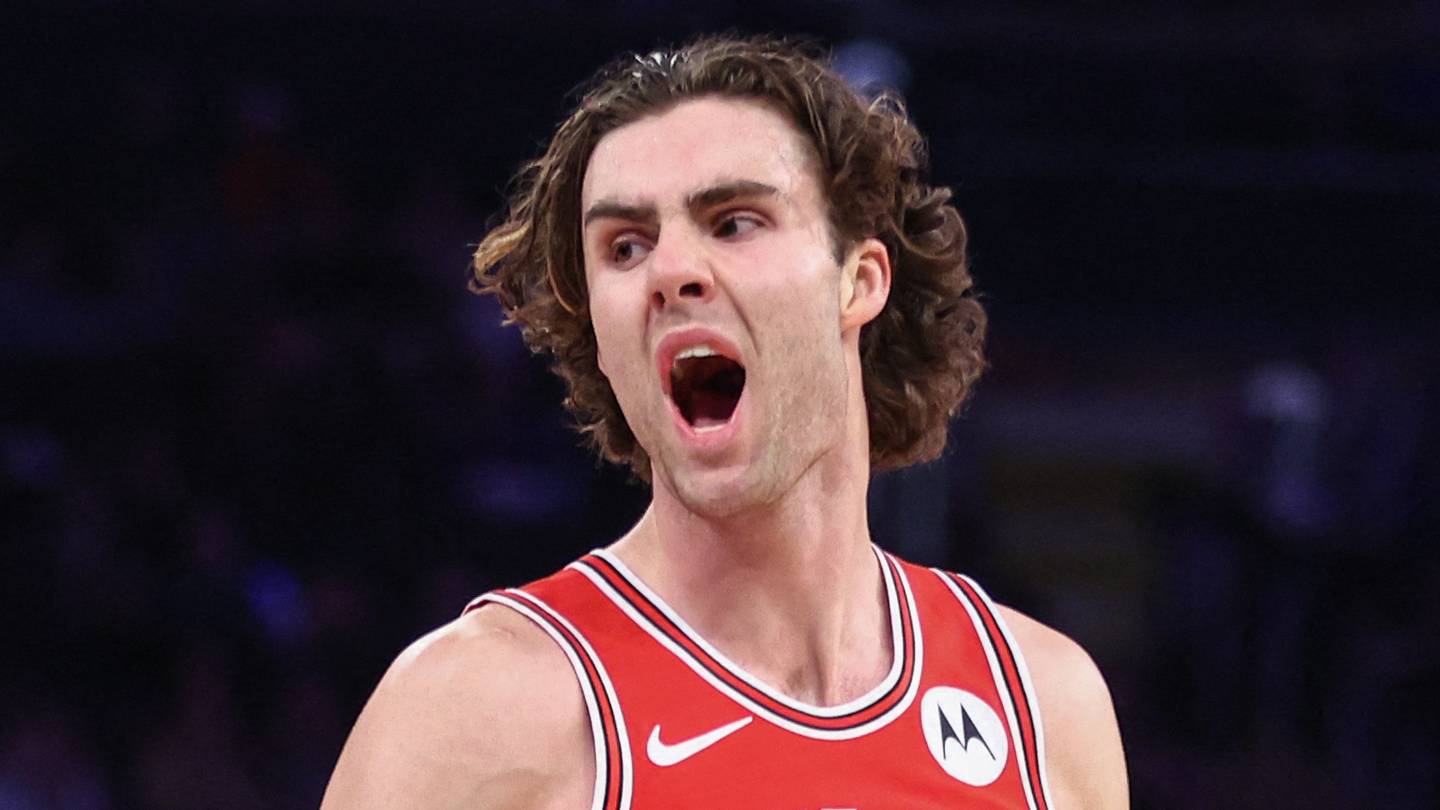
Source: SI NBA. Casualplayhub News adds summary, context, and editorial framing while linking back to the original report.
The squeak of sneakers is almost audible. The NBA has unveiled the complete 2026-27 schedule, and the Chicago Bulls are embarking on a rebuilding year with a demanding start. They open with two consecutive road games before welcoming the Washington Wizards to the United Center for their home opener. We have already highlighted the ten most critical matchups on the schedule, but a deeper dive reveals plenty of nuances—national TV appearances, back-to-back clusters, revenge narratives, and more.
The preseason tips off on October 7, with the Bulls playing five exhibition games, three of them at home. Their final preseason contest is on October 16, giving the team four full days of rest before the regular-season opener on the road. For the second time in three seasons, Chicago begins the year with back-to-back away games. Moreover, six of their first eight games are on the road—the most since the lockout-shortened 2011-12 campaign.
As for national television exposure, the Bulls are currently slated for three nationally televised games: December 1 at home against the New York Knicks on NBC, January 14 at the Indiana Pacers on Peacock, and January 14 at the Brooklyn Nets on ESPN. They have no appearances on Amazon Prime at this point. The NBC game is particularly notable because it marks the Bulls' first appearance on the network since it rejoined the NBA broadcasting landscape last season.
The schedule includes 15 back-to-back sets. The first arrives just one game into the season: after the opener against the Toronto Raptors, the Bulls face the Milwaukee Bucks and Washington Wizards on consecutive nights. The game against the Wizards also serves as their home opener.
Chicago's longest home stand comes in early March, when they host six straight games at the United Center, starting with the Charlotte Hornets on March 6 and ending with the Orlando Magic on March 15. Their longest road trips are four separate stretches of four games each. Notably, the team avoided a five-game road trip this season, which plagued them near the end of last year. However, several of these four-game road swings are followed by just a single home game before the Bulls head back out on the road.
The NBA Cup group stage begins on October 30 with a trip to Boston. The Bulls then face the Atlanta Hawks (home), Washington Wizards (home), and Charlotte Hornets (away) to complete group play. Chicago has never advanced past the first round of the NBA Cup.
Only two mini-series grace the schedule this season. The first sees the Bulls play back-to-back games against the retooled Miami Heat on December 21 and 23. The second involves the Toronto Raptors, who visit the United Center on January 17 before the two teams head to Canada for a home-and-home on January 19.
Ayo Dosunmu will make his return to the United Center on January 14, 2027, following his trade earlier that month. Coby White and Nikola Vucevic already made their returns to Chicago after being dealt at last season's trade deadline.
Tiago Splitter gets his revenge game against the Portland Trail Blazers on February 14, 2027. That date also falls on Super Bowl Sunday, which explains the scheduled 12:30 p.m. CT tip-off.
For the latest updates, sign up for our free newsletter and follow us on X and Facebook. Add us as a preferred source on Google. This article was published about an hour ago by Elias Schuster, a sports journalist and Chicago native who has covered the Bulls since 2019-20 and serves as publisher of Bulls On SI.
Article commentary
The release of the Chicago Bulls' 2026-27 schedule provides a clear lens through which to view the team's ongoing rebuild. While the franchise is far from contention, the schedule's structure offers both challenges and opportunities for a young, developing roster. First, the Bulls' early-season gauntlet of six road games in the first eight contests is a significant test. This is the most road-heavy start since the lockout season, and it will immediately reveal how well this group can handle adversity. Starting with back-to-back away games, then facing a stretch of consecutive road trips, could demoralize a team lacking veteran leadership. However, it also presents a chance to build chemistry away from the comforts of home—something that often accelerates growth for rebuilding squads. National TV exposure is minimal for Chicago, with only three games scheduled on major networks. This is a reflection of the team's current marketability—the Bulls are no longer a ratings draw as they were during the Derrick Rose or Jordan eras. The NBC broadcast on December 1 against the Knicks is a nod to the network's renewed NBA partnership, but the slot on Peacock (a streaming service) and ESPN indicates the league views this team as a secondary attraction. For a franchise with a storied history, this is a humbling reality, but it could motivate players to prove themselves on the national stage. The 15 back-to-back sets are a heavy load, especially for a team that may lack depth. The first back-to-back comes immediately after the season opener, which could strain the rotation early. The Bulls' medical staff will be critical in managing player minutes, particularly for young players who are not yet accustomed to the NBA's grueling schedule. The fact that the longest home stand is only six games, while multiple four-game road trips are paired with a single home game in between, suggests an uneven rhythm that could disrupt momentum. Mini-series against the Heat and Raptors offer a taste of playoff-like intensity, even if the Bulls are not expected to contend. These back-to-back matchups against the same opponent allow for tactical adjustments and can be a proving ground for the coaching staff. The revenge game for Tiago Splitter against the Trail Blazers adds a personal storyline, but it's also a reminder that this team is relying on role players rather than stars. The NBA Cup group play is another element. The Bulls have never advanced past the first round, and with a group that includes Boston, Atlanta, Washington, and Charlotte, advancing will be a tall order. However, the tournament's format could provide a competitive spark in the early season, giving young players a taste of high-stakes basketball. Ultimately, this schedule is a blueprint for growth, not glory. The Bulls will face a difficult road, but that's precisely what a rebuilding team needs. The key will be how they handle the adversity, the travel, and the national TV spotlight. If they can steal a few wins and develop their young core, the 2026-27 season could be a foundation for future success—even if the standings don't reflect it.