Lindsay Clancy Trial Opens with Ex-Husband as First Witness
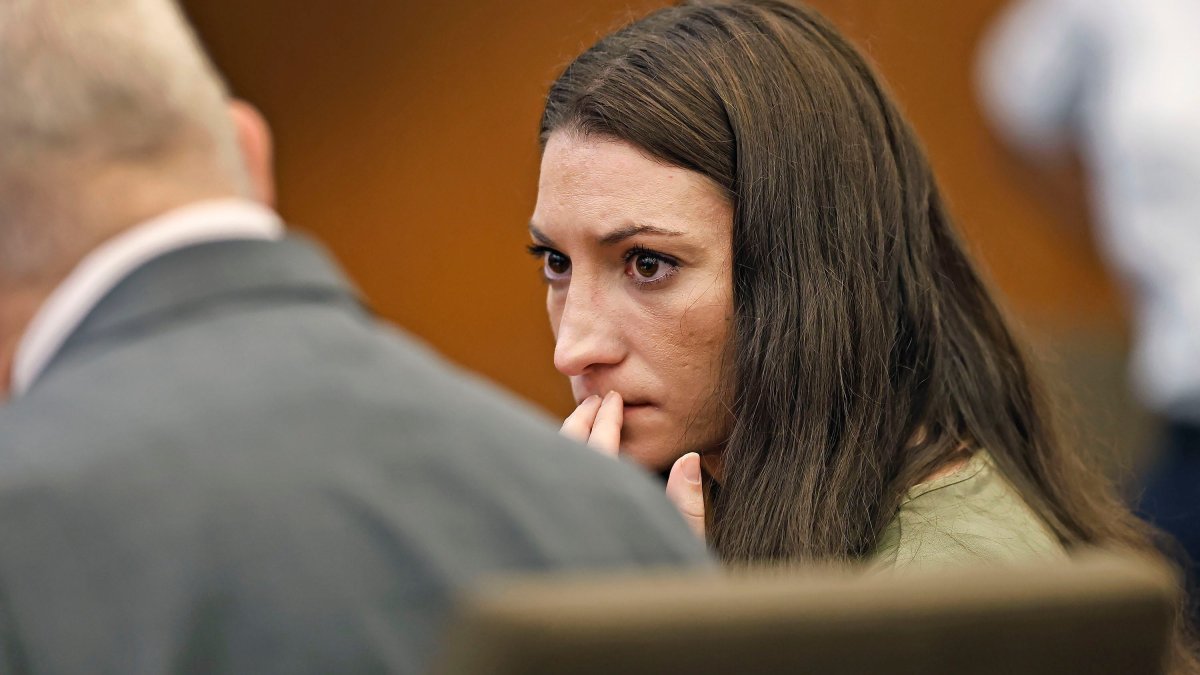
Edited by Casualplayhub News Editorial. Source: NECN Providence. Casualplayhub News adds summary, context, and editorial framing while linking back to the original report.
Ad eligibility review: sensitive-topic
The trial of Lindsay Clancy opens Monday in a Massachusetts courtroom, with a jury of 18 — 12 women and 6 men — already seated and ready to hear weeks of testimony. Clancy, a 35-year-old former labor and delivery nurse at Massachusetts General Hospital, faces murder charges for the deaths of her three children: Cora, 5, Dawson, 3, and Callan, 8 months. The children were killed on January 24, 2023, after Clancy allegedly sent her husband, Patrick Clancy, on errands. Prosecutors allege the killings were intentional and well-planned, while the defense insists Clancy was in the grip of severe postpartum psychosis, a rare mental health crisis that can cause delusions and hallucinations after childbirth.
Defense attorney Kevin Reddington does not dispute that Clancy took her children's lives, but he argues she was not criminally responsible. He has called the case an extreme tragedy. The defense expects to highlight months of efforts by Clancy to seek help for her deteriorating mental state, suggesting that the medical system failed her. Legal analyst Michael Coyne of NBC10 Boston noted that the defense will likely work hard to convince the jury that the medical profession let her down.
Prosecutors, however, are painting a different picture. They claim the killings were premeditated, a deliberate act rather than the result of a mind that had lost control. Northeastern Law professor Margo Lindauer explained that the prosecution will try to portray the events as a carefully planned crime. The outcome hinges on a single question: Did Clancy know what she was doing was wrong, and could she stop herself?
Opening statements are scheduled to begin at 9 a.m. Monday. The first witness expected to take the stand is Patrick Clancy, the children's father and Lindsay's ex-husband. The jury will hear a recording of his 911 call made when he discovered the bodies. They will also view autopsy photos of the children. However, the judge has granted a request from the father to keep that evidence from public release, meaning only those inside the courtroom will see the graphic images. Media access to sensitive evidence has been restricted for the duration of the trial.
The trial is expected to last up to eight weeks, diving deep into the complexities of postpartum psychosis. This condition affects a very small percentage of women, often producing irrational beliefs and hallucinations. The case has drawn widespread attention, partly because of the horrific nature of the crime and partly because of the rare mental health defense. Clancy has pleaded not guilty to all charges. Earlier this year, prosecutors dropped some redundant charges, streamlining the case. Witness lists for both sides include over 200 names, indicating a thorough and lengthy proceeding.
As the court prepares to hear testimony, the community in Duxbury, Massachusetts, remains shaken. The trial promises to explore not only the events of that January day but also the broader question of how society handles postpartum mental illness. The jury will have to weigh medical evidence, expert testimony, and the emotional testimony of the children's father. Whatever the verdict, the case has already sparked conversations about maternal mental health and the limits of criminal responsibility.
Article commentary
This trial presents a stark collision between legal accountability and mental health advocacy. The defense's reliance on postpartum psychosis as a complete defense is rare and risky, as juries often struggle to accept insanity pleas. The prosecution's premeditation narrative will likely focus on Clancy's actions before the killings, such as sending her husband away. The judge's decision to restrict graphic evidence from public view is a measured step to protect the family's dignity while ensuring the jury can still consider it. Ultimately, the verdict will hinge on whether the jury believes Clancy was capable of forming intent or if her mind was truly broken by a rare but devastating condition.