Teen Pleads Guilty in Capitol Gun Dash Case
Edited by Casualplayhub News Editorial. Source: ABC30 Fresno World. Casualplayhub News adds summary, context, and editorial framing while linking back to the original report.
Ad eligibility review: sensitive-topic
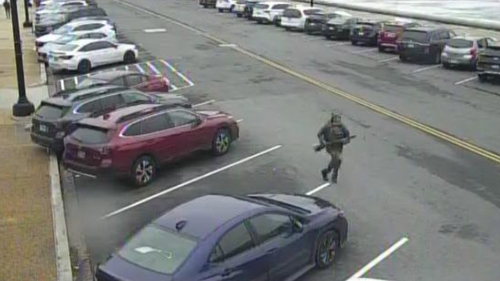
On Monday, July 27, 2026, an 18-year-old from Georgia entered a guilty plea in federal court for illegally carrying a firearm on the grounds of the U.S. Capitol. Carter Camacho, a resident of Smyrna, Georgia, was arrested on February 17, 2026, after he sprinted toward the Capitol building with a loaded shotgun, wearing body armor and camouflage clothing. Surveillance video captured him exiting a parked car and running toward the west side of the Capitol. He complied with Capitol Police officers' commands to stop and get down on the ground. No one was injured, and he never made it inside the building.
During his plea hearing before U.S. District Judge Amit Mehta, Camacho admitted to two counts: illegal possession of a firearm on Capitol grounds, and receipt or distribution of child pornography. The child pornography charge originated from a search of his phone after his arrest. According to federal prosecutors, Camacho told police that he intended to confront members of Congress and "scare them into speaking the truth." He also stated that he purchased the shotgun for "home defense" less than a week before driving from Georgia to Washington, D.C. Prosecutors said he left pepper spray and other tactical gear in his car "just in case I don't want to shoot anyone." They further noted that he considered using the shotgun to breach a door to gain entry into the Capitol.
Camacho has been in custody since his arrest. Sentencing is scheduled for December 8, 2026. The case highlights ongoing security challenges at the Capitol, which has been a focal point of heightened security after the January 6, 2021, attack. The speed of the police response and Camacho's compliance prevented any violence, but the incident raises questions about the motivations of individuals who seek to disrupt the legislative process. The child pornography charge adds a separate dimension to the case, and the court will weigh both offenses at sentencing. Legal experts note that the firearm charge alone carries a maximum penalty of up to five years in prison, while the child pornography charge carries far stiffer penalties. The judge will determine the sentence within federal guidelines.
This case is one of several recent incidents involving individuals attempting to breach the Capitol or confront lawmakers. It underscores the importance of continued vigilance by security forces and the need for mental health resources for those who might be influenced by extremist ideologies. The plea agreement resolves the criminal charges, but the broader implications for Capitol security remain.
Article commentary
The guilty plea by Carter Camacho underscores the persistent security vulnerabilities at the U.S. Capitol, even after significant upgrades following the 2021 attack. His stated intention to "scare" lawmakers into speaking the truth reflects a troubling trend of individuals seeking to intimidate elected officials. The additional child pornography charge complicates the narrative, suggesting a broader pattern of concerning behavior. The case also highlights the effectiveness of rapid police response, which prevented any physical harm. However, it raises questions about how such a heavily armed individual could approach the Capitol grounds undeterred. As sentencing approaches, the court will weigh the gravity of both offenses against Camacho's age and mental state. This incident serves as a reminder that the Capitol remains a target for those driven by extreme beliefs, and that preventive measures must evolve accordingly.