Russian Strikes Near Kyiv Kill Three, Including a Child
Edited by Casualplayhub News Editorial. Source: CBS News World. Casualplayhub News adds summary, context, and editorial framing while linking back to the original report.
Ad eligibility review: sensitive-topic
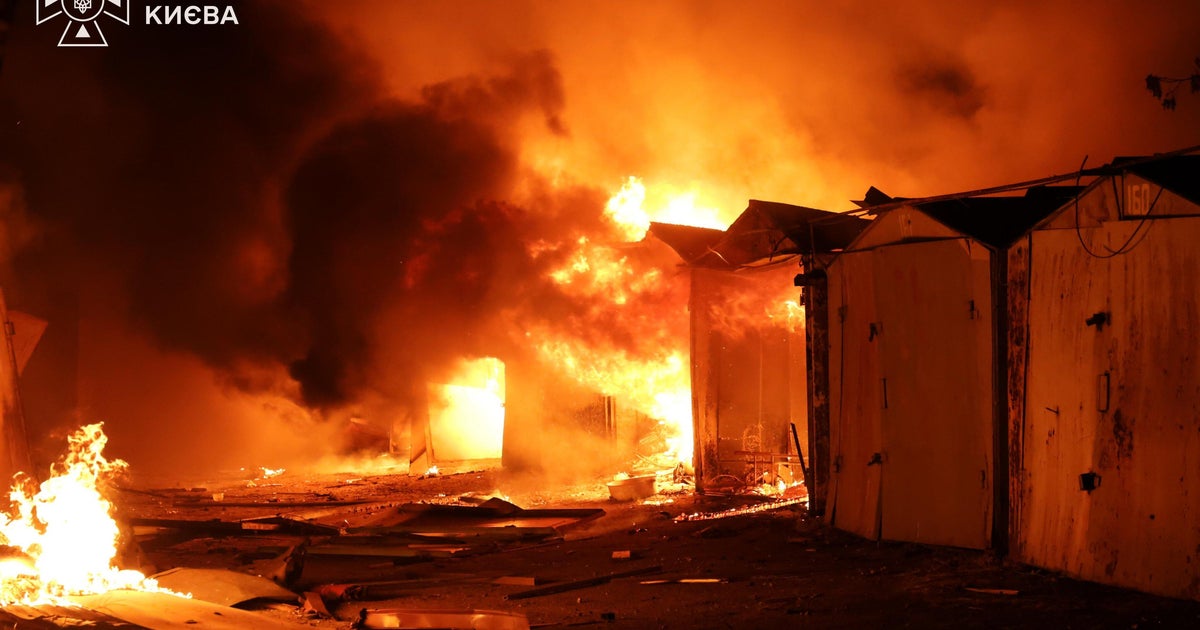
A fresh wave of Russian missiles struck a residential area northeast of Ukraine's capital on Saturday, killing at least three people, including a young child. The attack, which targeted a district on the outskirts of Kyiv, sent emergency crews scrambling through debris as smoke rose over the scene. A regional military official confirmed the death toll, noting that the child was among the victims. The assault unfolded as Ukrainian air force commanders alerted the public to incoming ballistic missiles, a warning that has become increasingly routine in recent months.
Moscow has dramatically escalated its use of ballistic missiles against Kyiv, often launching them in quick succession to overwhelm the city's air defenses. These weapons, which travel at high speeds and follow a steep trajectory, are notoriously difficult to shoot down, even with advanced Western systems. The pattern has shifted from sporadic strikes to more frequent, coordinated attacks, leaving residents with little time to seek shelter.
Saturday's strike brought devastation to a quiet neighborhood. Witnesses described a thunderous explosion followed by a plume of dust and debris. One resident, who spoke on condition of anonymity, said, "We heard the sirens, but there was no time. The building shook, and then everything went silent." The military official, citing initial reports, said the child was killed when a missile fragment struck a nearby home. Two other adults died in the same attack, their bodies recovered from the rubble later in the day.
Ukrainian President Volodymyr Zelenskyy, in a statement, condemned the strike as "another act of terror against civilians." He reiterated his plea for more long-range air defense systems, specifically Patriot batteries, to shield the capital from the ballistic missile threat. Western allies have supplied some systems, but Kyiv says they are insufficient to cover the entire metropolitan area, which is home to over three million people.
The attack comes amid a broader escalation of hostilities across Ukraine. In recent weeks, Russian forces have intensified drone and missile strikes on energy infrastructure, leading to rolling blackouts in several regions. The United Nations has documented a sharp increase in civilian casualties, with more than 1,000 people killed in the past two months alone. The child's death in Saturday's strike adds to a grim tally that has drawn international condemnation.
Local officials reported that emergency crews managed to extinguish a fire that broke out after the strike, but the search for additional victims continued into the evening. Hospital staff in Kyiv said they treated several wounded residents, some with shrapnel injuries. A doctor at a local clinic described the scene as "chaotic," noting that children were among the injured.
The international community reacted swiftly. The European Union's foreign policy chief called the attack a "blatant violation of international humanitarian law," while the United States reaffirmed its commitment to supporting Ukraine's defense. However, the flow of new military aid remains a contentious issue in Washington, where some lawmakers have questioned the scale of continued support.
Analysts suggest that Russia's focus on ballistic missiles reflects a strategic calculation. These weapons are harder to intercept and can penetrate defenses that have become more effective against slower cruise missiles and drones. The tactic also allows Moscow to conserve its stockpile of more advanced munitions while keeping Kyiv under constant pressure. For civilians, the result is a relentless cycle of fear and loss.
Saturday's attack is a stark reminder of the war's human cost. As the child's family mourns, the broader conflict shows no signs of abating, with both sides preparing for what could be a protracted winter campaign. The strike near Kyiv, while tragic, is just one of many such incidents that have become all too common in this war.
Article commentary
The continued use of ballistic missiles against civilian areas near Kyiv highlights a troubling escalation in Russia's targeting strategy. These attacks, while militarily effective in overwhelming defenses, exact a devastating humanitarian toll. The death of a child amplifies the moral outrage, yet the international response remains measured, with aid deliveries often delayed by political wrangling. Ukraine's urgent need for more advanced air defense systems is clear, but the gap between promise and delivery persists. This pattern risks normalizing civilian casualties, a dangerous precedent that could further erode the rules of war. The conflict's trajectory depends on whether allies treat these strikes as a call to accelerate support, not just a news cycle headline.