Seven Beluga Whales Arrive in Texas in Landmark Relocation Effort
Edited by Casualplayhub News Editorial. Source: CBS News World. Casualplayhub News adds summary, context, and editorial framing while linking back to the original report.
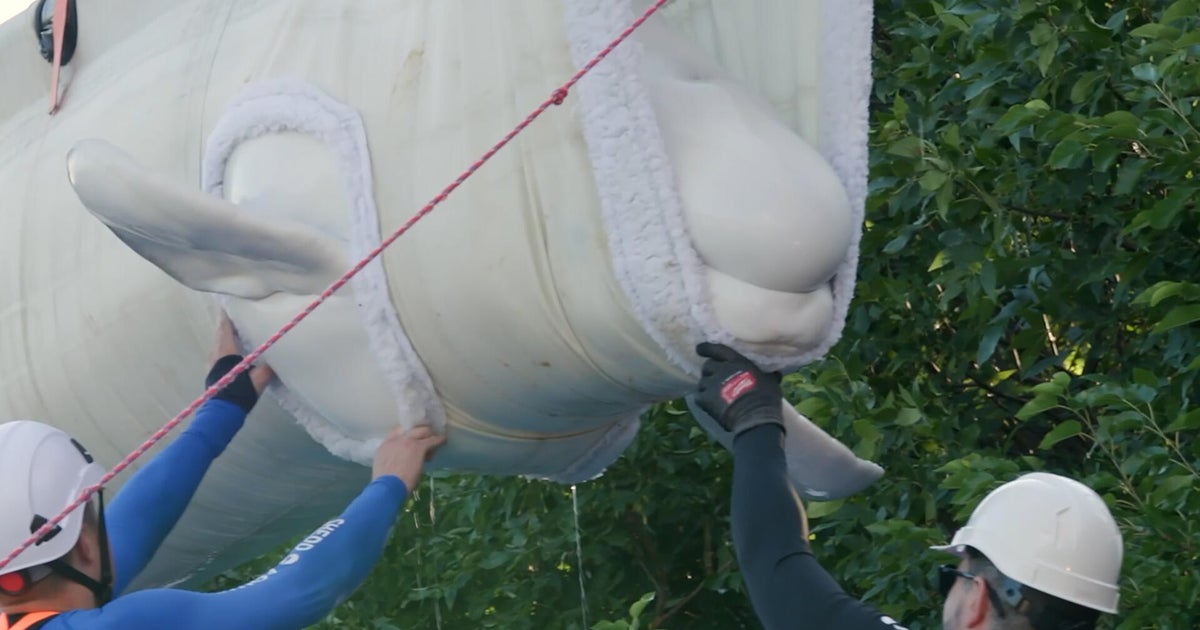
Seven beluga whales have arrived at SeaWorld San Antonio, the latest milestone in a multinational effort to relocate dozens of the marine mammals from Marineland, a defunct theme park in Niagara Falls, Canada. The group of females—Xena, Gemini, Skyla, Meeka, Eve, Neva, and Calypso—touched down in Texas on Tuesday, becoming the second cohort to leave the shuttered facility. This transfer, the largest of its kind involving belugas, underscores the growing push to find suitable homes for animals left behind when Marineland abruptly closed its doors in 2021.
The relocation operation, which began in 2022 with a smaller shipment of five whales, has required extensive coordination between Canadian and American authorities, animal welfare experts, and marine park operators. Each whale was carefully transported in custom-built life-support systems aboard a cargo aircraft, monitored by a team of veterinarians throughout the journey. SeaWorld San Antonio, already home to seven belugas, has expanded its facilities to accommodate the newcomers, which will undergo a period of acclimation before joining the existing social groups.
Marineland, once a popular tourist attraction, faced mounting criticism over its treatment of captive marine animals, including belugas, dolphins, and walruses. After years of declining attendance and legal battles over animal welfare, the park shut down, leaving its collection of animals in limbo. The Canadian government, along with advocacy groups, pushed for relocation rather than euthanasia or indefinite containment. SeaWorld, despite its own controversial history, emerged as a willing partner, offering space and expertise gained from decades of marine mammal care.
Beluga whales are highly social and intelligent, typically living in pods of up to 25 in the wild. The stress of captivity and transport can be significant, so the relocation team prioritized minimizing disruptions. The whales were gradually trained to enter transport crates, given health checks, and accompanied by familiar caregivers during the flight. On arrival, they were placed in a quarantine area where water quality, temperature, and noise levels are carefully controlled to mirror their previous environment.
Animal rights organizations have expressed cautious support for the relocation, acknowledging that moving the whales to better facilities is preferable to leaving them at Marineland, but they also question the long-term ethics of captivity. SeaWorld, for its part, frames the effort as a rescue mission, highlighting the whales' improved access to veterinary care and larger pools. The company has also invested in research on beluga behavior and cognition, which it says benefits conservation of wild populations.
The arrival of the seven belugas brings the total number relocated from Marineland to 12, with dozens more still awaiting transfer. The next phase of the operation is expected to involve additional groups, though timelines remain uncertain due to logistical and regulatory hurdles. Officials have not disclosed the final destination of all the whales, but SeaWorld San Antonio, along with other accredited facilities in the United States and Canada, are likely candidates.
This massive relocation effort highlights the challenges of dealing with the legacy of marine parks that have closed, especially when animals are too numerous or specialized to be released into the wild. Belugas, which are not endangered, face threats from climate change and pollution, but captive-bred individuals often lack the survival skills needed for life in the ocean. As a result, these whales will spend the rest of their lives in human care, a reality that both critics and proponents of captivity must navigate.
The story of Xena, Gemini, Skyla, Meeka, Eve, Neva, and Calypso is far from over. Their new home in Texas offers a fresh start, but it also raises enduring questions about the ethics of keeping intelligent marine mammals in artificial environments. For now, the focus remains on their safe arrival and gradual integration into a new social structure—a delicate process that will be monitored closely by experts on both sides of the border.
Article commentary
The relocation of beluga whales from the shuttered Marineland to SeaWorld San Antonio represents a pragmatic solution to a complex animal welfare crisis. While it offers these individuals improved care, it does not resolve the fundamental debate over captivity. The operation's scale and careful execution demonstrate a commitment to the animals' immediate wellbeing, but critics rightly point out that any captive environment, no matter how advanced, limits the natural behaviors of highly social cetaceans. The challenge lies in balancing the need for humane solutions for animals that cannot be released with the ethical imperative to prevent future captivity. This effort, while commendable in its logistics, underscores the broader need for stricter regulations on marine parks and a global shift toward ocean sanctuaries as alternatives.