Joe Kubert School of Cartoon Art Relocates to County College of Morris
Edited by Casualplayhub News Editorial. Source: Press of Alantic City Business. Casualplayhub News adds summary, context, and editorial framing while linking back to the original report.
Ad eligibility review: sensitive-topic
A legendary chapter in art education is turning a new page. The Joe Kubert School of Cartoon and Graphic Art, a launchpad for countless successful illustrators, animators, cartoonists, and graphic novelists, is relocating to the County College of Morris (CCM) in Randolph, New Jersey. The college announced it has acquired the school, which will begin operations there in the fall semester. After spending decades in a former Dover High School building, the school moved to downtown Madison last year, and now it is setting down roots on CCM's campus.
A formal signing event will take place on August 17 at CCM's Randolph campus, marking the official start of the partnership. CCM President Anthony Iacono expressed enthusiasm for the integration. "We are honored to welcome The Joe Kubert School into our community and to continue its extraordinary legacy of inspiring generations of artists and creators," he said. "By coming together, we are expanding opportunities for students to develop the artistic, technical and professional skills needed to thrive in today's creative industries."
The school's president, Anthony Marques, a Kubert School graduate himself, echoed that sentiment. "For five decades, The Joe Kubert School has been dedicated to helping artists turn their love of art into a profession," he said. "By combining our specialized art education with CCM's many resources, we can create even more opportunities for our students to succeed. We can't wait to see what our students accomplish."
Students at the school have long benefited from direct access to working professionals through relationships with DC Comics, Marvel Comics, IDW Publishing, and Dynamite Entertainment. Alumni have gone on to work for industry giants such as Walt Disney Animation, Warner Bros., and Pixar Animation Studios. The move to CCM will only deepen those connections, as the school's network of partnerships remains intact.
Beyond the creative curriculum, Kubert students will now have access to CCM's comprehensive student support services. These include tutoring, academic and career advising, transfer services, a veteran's resource center, and campus facilities such as the library and fitness center. "This addition strengthens career pathways in animation, illustration, graphic storytelling and related fields while preserving the spirit and excellence that have made The Joe Kubert School so highly respected," Iacono added.
The school's full-time certificate program continues to be offered in a traditional daytime format, online studies courses, and new in-person evening options. For more information, prospective students can contact CCM's Center for Workforce Development at wfd@ccm.edu or 973-328-5187.
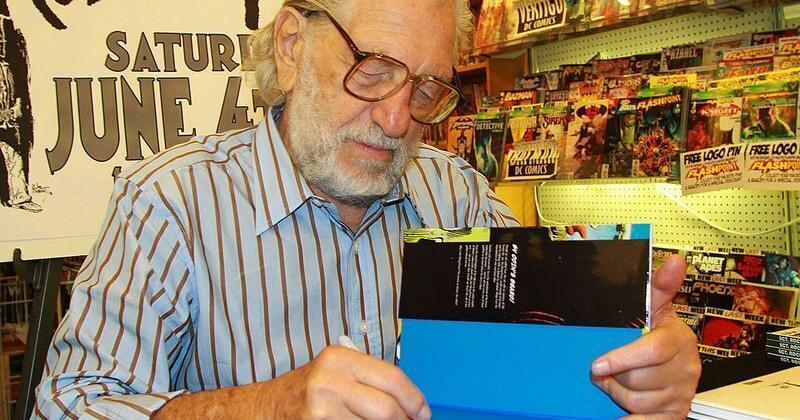
The roots of the school trace back to 1976, when Joe Kubert and his wife, Muriel, founded it. It moved to Dover in 1980, expanding from a two-year program to a three-year course in 1978. The school's website notes that the current three-year curriculum requires students to spend eight to ten hours a day at their drawing boards. Muriel Kubert passed away in 2008, and Joe Kubert died in 2012. In 2019, Marques, a Kubert alumnus who had worked as an editor at Dynamite and DC Comics and as an illustrator for Dark Horse and IDW, acquired the business.
Last year, the school relocated to the historic James Building in downtown Madison. But the transition to CCM began in earnest on July 18, when the annual KubieCon event—a celebration of comics and pop culture featuring vendors, artists, and fans—moved to the Randolph campus. The event has become a staple of the school's community, drawing enthusiasts from across the region.
This collaboration between a specialized art school and a community college represents a strategic fusion of tradition and opportunity. By merging the Kubert School's focused training with CCM's broader academic infrastructure, both institutions aim to equip students with the tools they need to navigate the evolving creative landscape. The partnership ensures that the school's storied legacy—founded by one of the most influential comic artists of the 20th century—will continue to inspire new generations of visual storytellers.
Article commentary
The move of the Joe Kubert School to County College of Morris is a strategic evolution rather than a retreat. It preserves the school's specialized legacy while leveraging CCM's broader resources, from student services to campus facilities. This partnership could serve as a model for other niche art schools seeking sustainability in an era of rising costs and shifting educational demands. By integrating into a larger institution, the school retains its identity but gains stability and access to a wider student base. The challenge will be maintaining the intense, hands-on studio culture that defined Kubert's approach while adapting to a more structured college environment. For the industry, this ensures a continued pipeline of talent grounded in traditional fundamentals yet exposed to modern cross-disciplinary opportunities.