Electronic Arts Completes $55 Billion Take-Private Acquisition
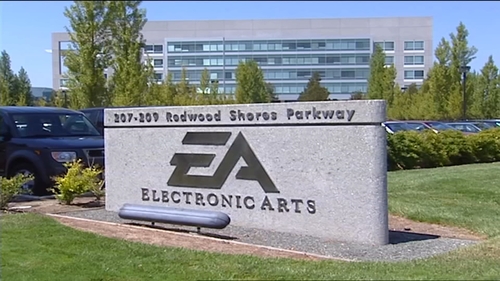
Edited by Casualplayhub News Editorial. Source: ABC30 Fresno World. Casualplayhub News adds summary, context, and editorial framing while linking back to the original report.
Electronic Arts, the iconic video game developer behind blockbuster franchises such as "Battlefield" and "The Sims," has officially entered a new era. On Tuesday, the Redwood City, California-based company announced the completion of its $55 billion go-private transaction, making it the largest buyout ever financed by private equity. The acquisition is led by Saudi Arabia's Public Investment Fund (PIF), alongside investment firm Silver Lake Partners and Affinity Partners, a firm headed by Jared Kushner, U.S. President Donald Trump's son-in-law.
In a statement, EA CEO Andrew Wilson framed the deal as a springboard for growth. "We are excited to partner with our new owners to invest boldly, accelerate innovation, and build the next generation of games and experiences for the hundreds of millions of players and fans who inspire us every day," Wilson said. Turqi Alnowaiser, deputy governor and head of international investments at PIF—which has held a minority stake in EA for five years—echoed that sentiment, pledging to "invest heavily in EA's growth," particularly through the integration of artificial intelligence into game development.
Going private frees EA from the quarterly scrutiny of public markets, a move some analysts believe could grant the company greater latitude in developing and distributing games. Yet the deal carries a heavy burden: $20 billion in debt financing. That leverage has sparked fears of significant layoffs and other cost-cutting measures, a pattern seen in other large private-equity takeovers.
Attention is also focused on the new owners themselves. The involvement of PIF and Kushner's Affinity Partners has drawn sharp criticism from activists and human rights organizations. The U.K.-based campaign #BlockTheEADeal, which previously urged regulators to block the acquisition, warned in an online petition: "With this deal, Saudi Arabia and Jared Kushner just bought access to 700 million players worldwide. The increased use of AI in the creative sector and video games raises the potential for data misuse by a foreign sovereignty, posing significant international security risks."
Kushner, in a Tuesday statement, struck a more optimistic tone, noting that EA has "created stories, characters, and communities that have become part of everyday life for hundreds of millions of people." He added that Affinity is "excited to support the company as it continues to reach new audiences."
Beyond data privacy concerns, organizations like Amnesty International and Human Rights Watch have long criticized Saudi Arabia's aggressive investments in sports and esports, accusing the kingdom of "sportswashing" to deflect attention from its human rights record. PIF has steadily expanded its gaming footprint, holding minority stakes in Nintendo and owning esports platforms such as ESL FACEIT. With the EA acquisition, titles like "Madden NFL" and "EA Sports FC" (formerly FIFA) now fall under that same umbrella.
Under the terms of the deal, EA stockholders will receive $210 in cash per share, and the company's stock has ceased trading on public exchanges. The completion of this transaction marks a pivotal moment not only for EA but for the broader gaming industry, as a sovereign wealth fund with deep pockets and controversial ties reshapes the landscape.
Article commentary
The EA buyout highlights the growing intersection of geopolitics and the gaming industry. Saudi Arabia's PIF aggressively expands its influence, while the involvement of Jared Kushner's Affinity Partners adds a layer of political complexity. The $20 billion debt load raises legitimate concerns about workforce reductions, but the bigger question is how sovereign ownership will affect creative freedom and data ethics. Critics warn of foreign influence over 700 million players, yet the deal also underscores the enormous financial appetite for gaming assets. The industry must now watch closely how these new owners balance profit motives with player trust and global security considerations.