Wolves Tighten Gap with West's Elite
Edited by Casualplayhub News Editorial. Source: SI NBA. Casualplayhub News adds summary, context, and editorial framing while linking back to the original report.
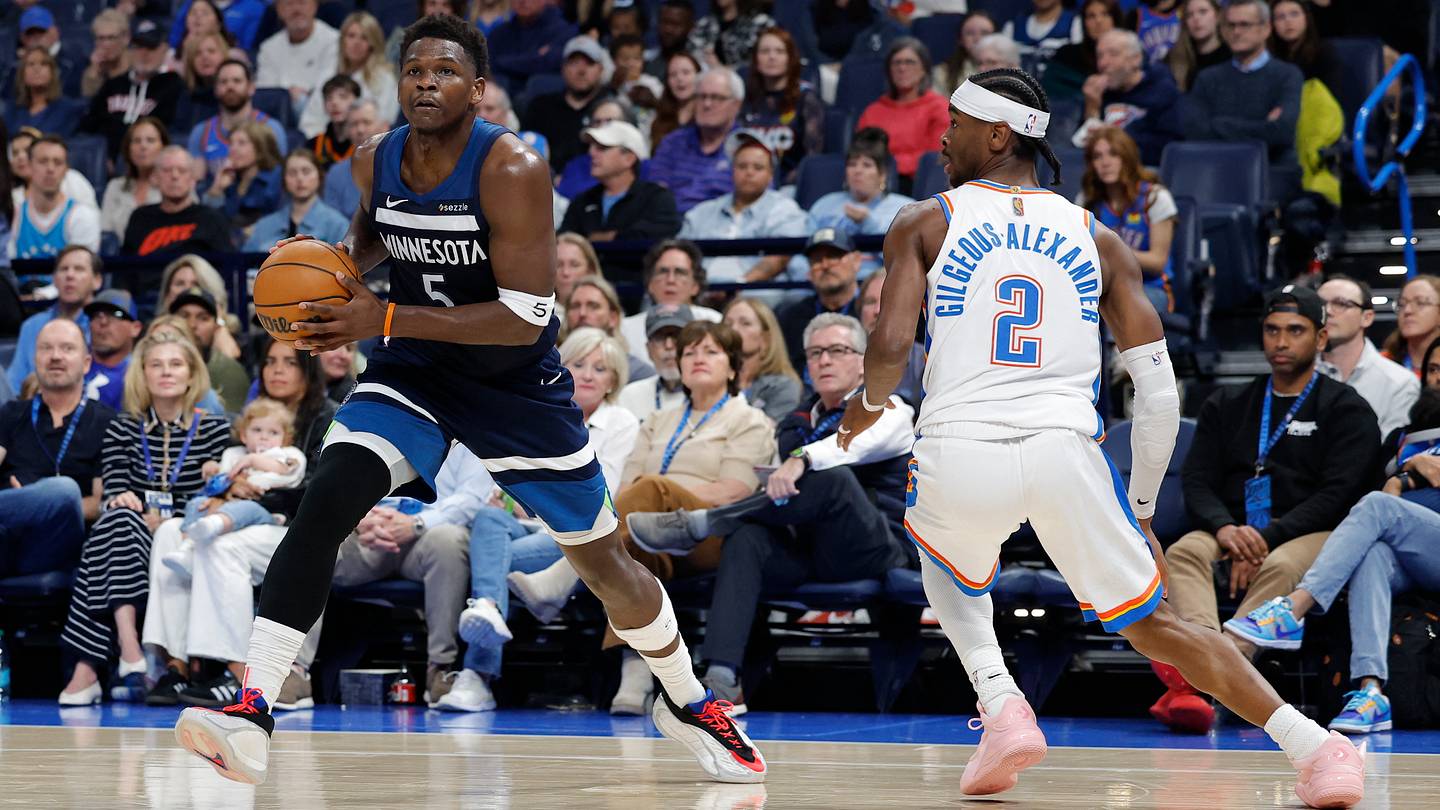
The Minnesota Timberwolves' recent playoff exits have come at the hands of the two teams that are expected to remain at the top of the Western Conference for years to come: the San Antonio Spurs and the Oklahoma City Thunder. In the 2026 playoffs, the Wolves were eliminated by Victor Wembanyama and the Spurs in the second round, a series that ended with a decisive Game 6 loss. San Antonio then advanced to the NBA Finals, where they were defeated by the New York Knicks. The previous season, Minnesota made it to the Western Conference Finals but were overwhelmed by the eventual champion Thunder in five games. After these defeats, the central question was how the Timberwolves could close the gap to these powerhouse teams. The answer came in a bold trade for LaMelo Ball, a dynamic guard whose unique combination of scoring and playmaking instantly reshapes the team's offensive identity. The talent disparity that contributed to their losses has now been significantly reduced. Equally important, the departure of Julius Randle to the Brooklyn Nets addresses the poor fit between Randle and Rudy Gobert. That pairing struggled in both playoff series, as the lack of spacing clogged the floor and limited the effectiveness of Minnesota's other players. With Ball now handling the ball, Anthony Edwards will face fewer double-teams and blitzes, setting the stage for a potential career year. Jaden McDaniels moves into a clear third option, a role that suits his postseason improvement—he averaged 15.4 points over the last two playoffs. Ayo Dosunmu, fresh off a five-year, $112 million extension after a standout 2026 playoff run that included a 43-point game against the Denver Nuggets, will also benefit from increased offensive responsibilities. While the Wolves lack depth at power forward, their overall roster is now more cohesive with fewer flaws. The Spurs' blueprint for defeat was exposed by the Knicks in the Finals: opponents need to space the floor to draw Wembanyama away from the rim, and San Antonio's young supporting cast—including De'Aaron Fox, Devin Vassell, Stephon Castle, and Dylan Harper—struggled to match the production of veteran teams. The Thunder, meanwhile, lost key rotation players Lu Dort, Aaron Wiggins, and Isaiah Joe, thinning the depth that made them a 60-win team over the past two seasons. The Timberwolves' path to the top is still steep, but they have given themselves a realistic shot at a 50-win season and a top-three seed. The goal is to stay ahead of teams like the Denver Nuggets, Houston Rockets, and Los Angeles Lakers, all of which made less significant additions. The Western Conference remains a gauntlet, but Minnesota has made the climb less daunting than it seemed just months ago. When the regular season begins, the Wolves should aim for 50 or more wins and at least the third seed. The Spurs and Thunder are likely to cruise to the top two spots, but Minnesota has positioned itself as a credible threat to overtake one of them. The gap has narrowed, and the Timberwolves now have a much better chance to make a deep playoff run.
Article commentary
The Timberwolves' off-season moves demonstrate a clear understanding of their shortcomings. Acquiring LaMelo Ball directly addresses the playmaking and spacing issues that stunted their offense, while moving Julius Randle resolved a poor fit with Rudy Gobert. This reconfiguration unlocks Anthony Edwards and Jaden McDaniels, giving the team a more balanced attack. However, the Western Conference is still dominated by the Spurs and Thunder, who possess championship pedigree and elite young talent. The Wolves' biggest challenge will be defensive consistency with a new point guard and the lack of depth at power forward. Still, the gap has narrowed significantly, and Minnesota is now a legitimate threat to challenge for a Finals berth. The key will be health, chemistry, and whether the supporting cast can step up in high-pressure moments.