Larkin Trade Demand Forces Red Wings' Front Office Reset
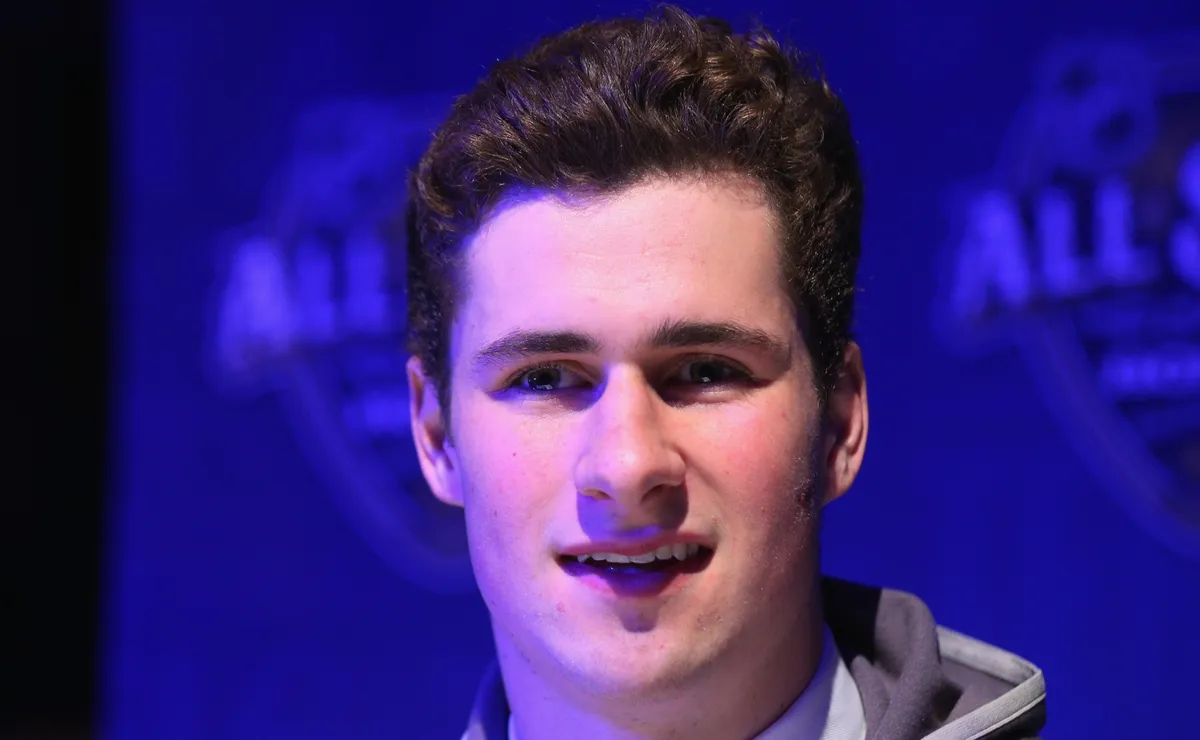
Edited by Casualplayhub News Editorial. Source: Bolavip. Casualplayhub News adds summary, context, and editorial framing while linking back to the original report.
The Detroit Red Wings are navigating a period of profound change as the 2026-27 NHL season approaches. While speculation swirls around captain Dylan Larkin's future, the real story lies deeper—inside the front office, where a shift in philosophy is taking shape. Larkin's trade request, though placed on hold, has jolted the organization into a critical self-evaluation, leading to a leadership transition that could redefine the team's identity for years to come.
Shawn Horcoff has stepped in as interim general manager, overseeing daily operations while the franchise searches for a permanent replacement. Owner Chris Ilitch, determined to avoid repeating past mistakes, has enlisted a search firm to help identify the next GM. According to Helene St. James of the Detroit Free Press, Ilitch and the firm are prioritizing candidates with a strong background in analytics. This marks a sharp departure from the Red Wings' traditional approach, where analytics played a secondary, advisory role.
For decades, Detroit has been a bastion of old-school hockey philosophy, relying on veteran scouts and gut instincts. That approach has yielded little success in recent years. The team hasn't made the Stanley Cup Playoffs since the 2015-16 season, and the much-anticipated "Yzerplan"—Steve Yzerman's blueprint for rebuilding—failed to produce a single postseason appearance during his tenure. Yzerman, who served as general manager from April 2019 to July 2026, presided over the 2026 NHL Draft before unexpectedly stepping down just weeks later. His departure, combined with Larkin's discontent, has forced the organization to confront hard truths.
Insiders suggest that the Red Wings are now looking to align themselves with the modern NHL, where data-driven decision-making is the norm among the league's most successful clubs. The search for a new GM is expected to focus on individuals who can integrate analytics into every facet of hockey operations—from drafting and player development to in-game strategy and roster construction.
It is a significant cultural shift for an Original Six franchise that has long revered tradition. But in today's competitive landscape, the Red Wings have little choice but to adapt. Larkin's trade request may have been the alarm bell that finally woke the front office. Whether the captain remains in Detroit or eventually moves on, his willingness to speak out may have set off a chain reaction that ultimately benefits the team in the long run.
The road ahead will not be easy. The Red Wings face stiff competition for top executive talent, and there is no margin for error in a market that demands results. Still, the organization appears committed to embracing change. If the new analytics-driven approach takes hold, the disgruntled captain might one day be remembered not as the player who left, but as the one who sparked a revival.
Article commentary
Larkin's trade request, while unsettling, may be the wake-up call the Red Wings needed. For years, the franchise clung to tradition while the rest of the NHL evolved. Yzerman's tenure, despite his legendary status, failed to deliver results. The shift toward an analytics-driven front office is a pragmatic move, aligning Detroit with modern best practices. However, the challenge lies in execution—finding the right leader who can blend data with the team's rich history. The next hire will be critical, and the pressure is immense. If successful, Larkin's discontent could be viewed as the catalyst for a necessary transformation. If not, the Wings risk falling further behind.