Sabonis Extension: Kings Weigh Future Options
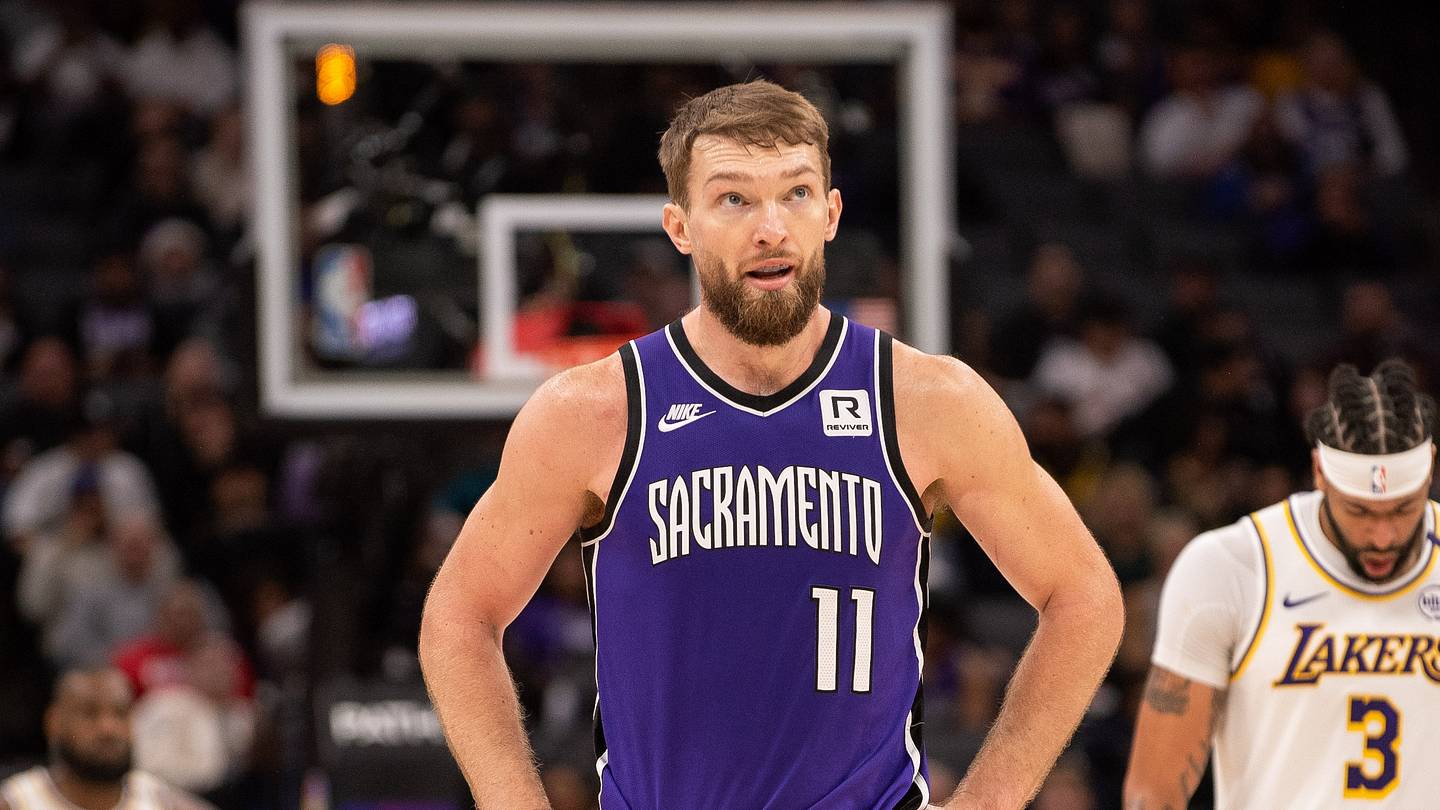
Edited by Casualplayhub News Editorial. Source: SI NBA. Casualplayhub News adds summary, context, and editorial framing while linking back to the original report.
The 2025-26 season was a tough one for Domantas Sabonis and the Sacramento Kings. The three-time All-Star managed only 19 games, the first time in his decade-long career he fell below 60 appearances. When he did play, his production dropped to 15.8 points, 11.4 rebounds, and 4.1 assists per game—respectable numbers, yet his lowest since the 2018-19 season when he was coming off the bench for the Indiana Pacers.
Sabonis's contract situation is now at a pivotal point. After renegotiating and extending his deal following his All-NBA campaign in 2023, he has two years and roughly $90 million left. He is eligible for a veteran extension, a common option under the current collective bargaining agreement. But trade rumors have been persistent. The Kings have reportedly discussed deals with the Detroit Pistons, Charlotte Hornets, and Boston Celtics. Despite the chatter, ESPN's Anthony Slater reported that Sabonis "has expressed a willingness to recommit and buy-in to this season's team." That statement, paired with the tepid trade market for him at the last deadline, suggests his camp—now represented by CAA—is pushing for a positive narrative. The hope is that Sacramento will see value in pairing Sabonis with rookie guard Darius Acuff Jr., as analyst James Ham noted: "I think the best way to support Darius Acuff is to have Domantas Sabonis on the roster."
However, the Kings' front office, under Scott Perry, is not rushing into an extension. Slater's report is clear: "offering a new contract isn't being explored." The team's reluctance is understandable given the financial landscape. The CBA's extend-and-trade rules are particularly relevant. Players who sign an extension are typically ineligible to be traded for six months, but there are exceptions: if the contract is no more than four seasons, the first-year salary does not exceed 120% of the previous season's salary (or the league average), and annual increases or decreases stay within 5%. The Naji Marshall extension with the Dallas Mavericks is a recent example of a tradeable deal. Marshall's contract declines by 5% annually, keeping him immediately eligible for trade. That flexibility is valuable for a team retooling around Cooper Flagg.
In contrast, Jakob Poeltl's extension with the Toronto Raptors serves as a cautionary tale. Toronto was widely criticized for maximizing Poeltl's deal, which has already limited their maneuverability—including in potential Sabonis trade discussions last February. Extending Sabonis at a similar value, resetting his cap hit around 27% of the salary cap, would make an already difficult-to-move contract nearly untradeable. A more instructive parallel might be Nikola Vucevic's extension with the Chicago Bulls. Vucevic, another offensively skilled center, saw his cap percentage drop from 22% to about 14% in his extension. That allowed the Bulls to eventually trade him for Anfernee Simons without attaching draft capital—a priority for Sacramento, which reportedly wants to avoid giving up picks in veteran deals.
Following the Vucevic precedent with an 8% discount in average cap percentage, the Kings would pay Sabonis roughly 19% of the cap. To remain immediately tradeable, the extension would need to be for two years, landing around $75 million total. That would keep Sabonis under contract through 2030, when he turns 33. But the reality, per Slater, is that the Kings are not currently exploring that path. The introduction of a relegation zone might provide a case for keeping Sabonis as a floor raiser, but he still has two years left on his deal. Sacramento appears content to be opportunistic, much like they are with Zach LaVine: they will listen to trade offers but are prepared to let the contracts expire.
Perry's tenure so far has been about cleaning up previous mistakes, such as the Dennis Schroder signing. The front office's willingness to engage in trade talks for Sabonis suggests they are comfortable moving forward with Maxime Raynaud and Devin Carter at center. The gap between adding fair-value years and locking in a burdensome contract is wide. The Kings have already learned a hard lesson with Schroder; they will likely tread carefully with Sabonis.
Article commentary
Sacramento's hesitation to extend Sabonis reflects a pragmatic approach in a league where cap flexibility is paramount. Sabonis remains a productive player, but his injury history and declining numbers raise red flags. The Kings are wisely avoiding the trap of overcommitting to a veteran asset that may not fetch a strong return. By keeping options open, they preserve the ability to pivot toward a rebuild around Acuff and future draft picks. The Vucevic precedent offers a blueprint, but only if Sabonis accepts a discounted role. Otherwise, the standoff may continue until the trade deadline, where urgency could force a decision.