Fashion Giants Move to Capture Resale Market, Launching Own Secondhand Platforms
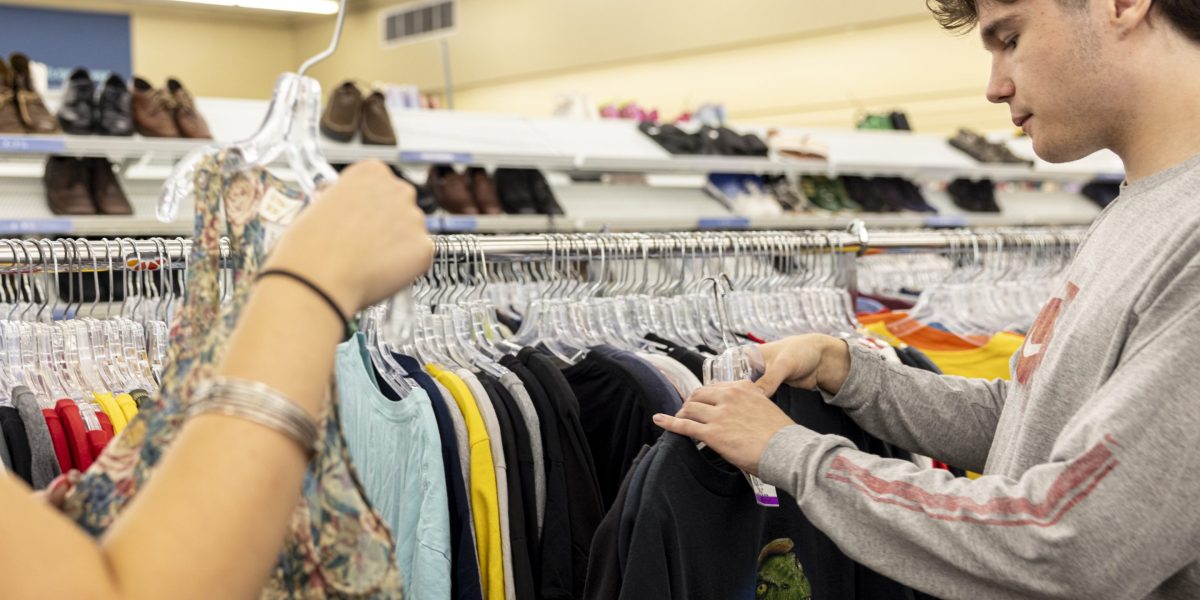
Edited by Casualplayhub News Editorial. Source: Fortune. Casualplayhub News adds summary, context, and editorial framing while linking back to the original report.
Ad eligibility review: sensitive-topic
The fashion industry has long been defined by a relentless pursuit of the new. The latest designer bag, the trending jeans, the chic office look from the current collection—these have been the engines of desire for centuries. But a quiet revolution is underway. Some of the world's biggest fashion names are now betting that there is just as much money and opportunity in selling what has already been worn.
A growing number of brands—including Zara, H&M, Lululemon, Levi's, and REI—are launching their own resale marketplaces, offering secondhand versions of their products alongside brand-new merchandise. The motivation is both competitive and environmental. For years, the resale of their clothing occurred on platforms like eBay, Poshmark, Depop, and The RealReal, generating billions in sales that the brands themselves never touched. Now, they want a piece of that business.
According to ThredUp's 2026 Resale Report, the global secondhand apparel market is projected to reach $393 billion by 2030, growing at twice the pace of the broader apparel market. In the United States, resale is expected to reach $78.8 billion by the end of the decade, after expanding nearly four times faster than overall retail clothing sales last year. The opportunity extends well beyond simply selling more clothes. By operating their own resale marketplaces, brands can capture a share of this growing market while maintaining a relationship with customers long after the original purchase.
Shawn Grain Carter, a professor of Fashion Business Management at New York's Fashion Institute of Technology, told Fortune that branded resale enables companies to "own the entire fashion life cycle," from the initial sale to resale, repair, and eventual recycling. Rather than relying on third-party marketplaces, brands can create another revenue stream while strengthening customer loyalty, she said.
Neil Saunders, managing director at GlobalData Retail, emphasized the importance of being present in the resale space. "More consumers are involved with resale, and I think there's a view that if a brand is not present in the space, it's losing out," he told Fortune. He added that companies need to meet customers where they are both culturally and economically, and "resale is one of the hottest spaces."
H&M, which launched its Pre-Loved initiative in 2021 and has since expanded it to 24 online markets and stores across 11 markets, echoed that thinking. The company described resale to Fortune as both "a sustainability and a business opportunity." Sofia Måhlén, team lead for Circular Business Models at H&M, said, "By extending product life through resale, we can support resource efficiency while creating new opportunities for growth through new business models." The company reported that resale represented 0.8% of the group's turnover in 2025, with revenue reaching SEK 1,844 million ($194.4 million USD), a 31% increase from the previous year.
Carter noted that younger consumers are driving much of the momentum. Gen Z and younger millennials are resale's most engaged shoppers, drawn to secondhand fashion because it aligns with their interest in sustainability and circular fashion while also helping stretch budgets amid rising housing costs and student debt.
Saunders pointed out that resale also gives brands a way to reinforce their sustainability efforts. "You can make a very strong argument that you are acting sustainably because you're not encouraging things to be thrown away or going into landfill," he said. While he noted that resale must complement broader environmental initiatives to be meaningful, it "definitely burnishes those green credentials." He also sees an element of competitive pressure. "There's definitely a little bit of bandwagoning," Saunders said. "When you start to see some of the big names on that, it definitely raises conversations like, 'Hey, why are we not playing in this space? What's our strategy around that?'"
Much of the recent expansion has been enabled by companies such as Trove and Reflaunt, which provide brands with the technology, logistics, and authentication needed to run resale programs. Patagonia launched Worn Wear with Trove in 2017, followed by Levi's, REI, Eileen Fisher, and Lululemon. Zara built its own Pre-Owned marketplace around resale, repair, and donation, while H&M's Pre-Loved platform lets customers shop curated vintage pieces alongside pre-owned H&M garments.
Increasingly, brands are bringing resale into physical stores as well. Pacsun expanded its secondhand concept, PS Vintage, to 16 U.S. locations in April after launching it online five months earlier. The retailer told Modern Retail that its top-performing stores achieved a 20% sell-through rate within weeks. Urban Outfitters is taking a different approach, launching a U.K. take-back program that gives shoppers store credit for returning pre-owned clothing, with partner Reskinned handling the cleaning, repair, and resale.
Despite these moves, Saunders believes the bigger story is about control. "There definitely is a viewpoint among some of the more premium brands that they would prefer to control that channel, or at least have some degree of control," he said. An official resale marketplace does not give brands ownership over the entire secondhand market—consumers can still buy and sell through platforms like eBay, Poshmark, Depop, and The RealReal. But it does allow companies to oversee how their products are presented, create a consistent shopping experience, and maintain a relationship with customers long after the original purchase.
Saunders does not expect resale to displace new product sales. "I don't think for most it will ever displace the sales of new products," he said. "Sometimes they will buy into both." Rather than replacing traditional retail, resale has become an incremental business that complements new product sales. Carter agreed, saying resale gives brands another opportunity to engage customers throughout a garment's life instead of ending the relationship at checkout.
H&M similarly expects resale to become a larger part of its business. "We are continuing to expand access to resale and second-hand services across H&M Group's brands and markets to help keep products in use for longer," Måhlén said.
As the resale market continues to grow, fashion brands are no longer content to watch the second sale happen somewhere else. Increasingly, they want to own a piece of it.
Article commentary
The fashion industry's pivot to branded resale is a strategic response to shifting consumer behavior and market dynamics. By launching their own platforms, brands gain control over pricing, presentation, and customer data—benefits previously ceded to third-party resellers. This move also serves as a sustainability narrative, appealing to environmentally conscious shoppers, especially Gen Z and millennials. However, the trend raises questions about cannibalization of new sales and the authenticity of brands' green commitments. While resale is unlikely to replace primary retail, it represents a significant incremental revenue stream. The challenge will be balancing profit motives with genuine circular economy principles, ensuring that resale complements rather than undermines broader sustainability goals.