NASCAR Revamps Stage Breaks to Cut Caution Laps
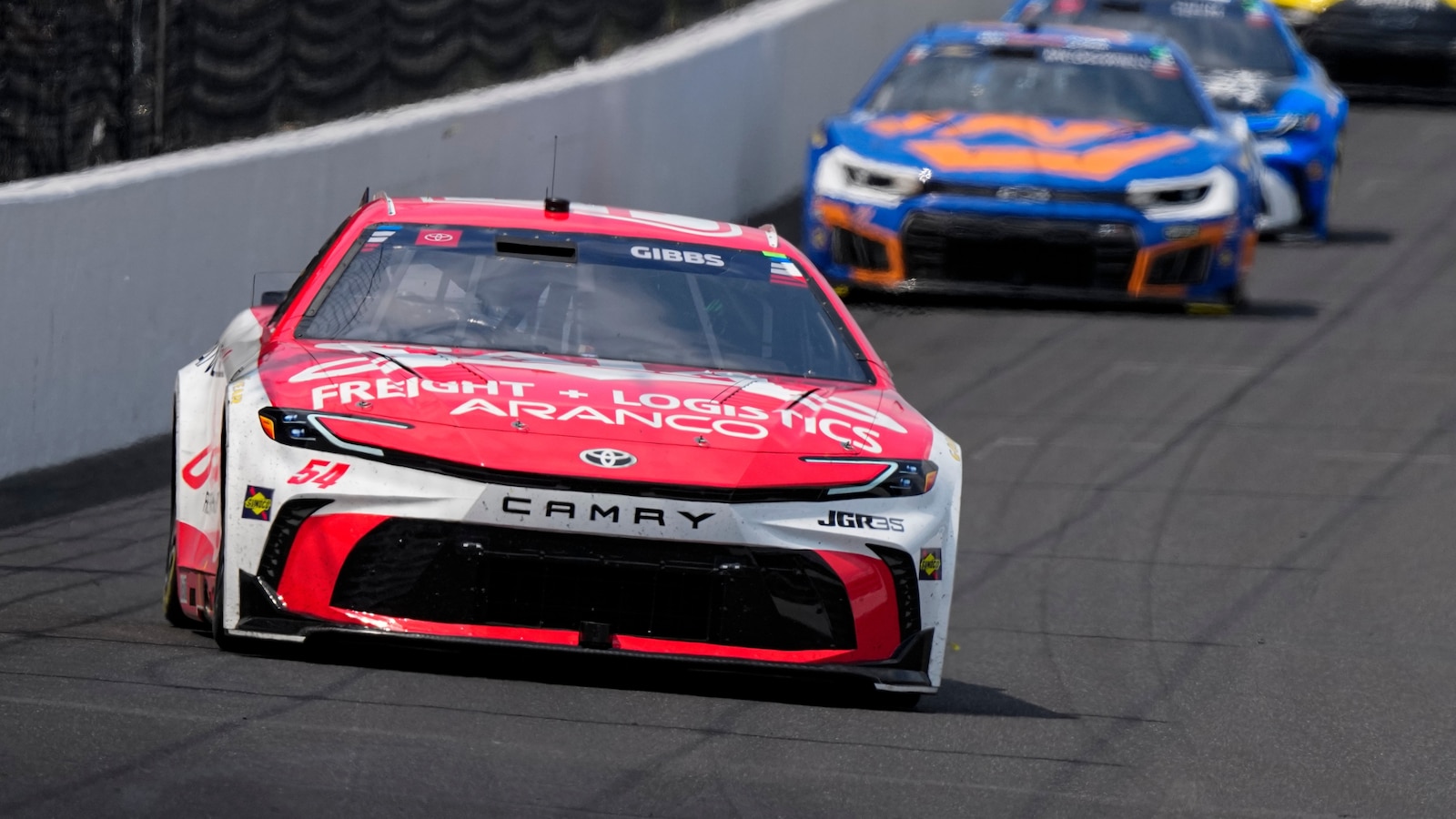
Edited by Casualplayhub News Editorial. Source: ABC News Sports. Casualplayhub News adds summary, context, and editorial framing while linking back to the original report.
NASCAR is shaking up its stage-break rules for the Cup Series, a response to mounting fan complaints about excessive caution laps that have plagued recent races. The new procedure takes effect this weekend at Iowa Speedway and will remain in place for the remainder of the season.
Under the updated protocol, when a natural caution flag flies with 10 laps or fewer remaining in either Stage 1 or Stage 2, the stage is immediately declared complete at the moment of the caution. That same yellow-flag period then doubles as the scheduled stage break, eliminating the need for a separate caution cycle. Previously, stages would continue until the scheduled lap count, often leading to back-to-back caution periods that stretched out the race and frustrated viewers.
NASCAR CEO Steve O'Donnell broke the news Thursday on social media, citing the July 26 Brickyard 400 at Indianapolis Motor Speedway as the catalyst. “Long periods of caution laps and not enough green-flag racing,” O'Donnell wrote. “We heard you, and we want to make a change. ... No more back-to-back cautions. No more elongated cautions laps. More green flag racing. More action for you the fans.”
The rule change is designed to tighten the flow of events and keep the racing more dynamic. When the field returns to the start/finish line under yellow, the leader will be awarded the green-and-white checkered flag simultaneously with the yellow flag, signaling the end of the stage. At that point, the top-10 stage finishing order is determined using all available data, including scoring loops and video replay—a process already familiar from how stage points are awarded.
This adjustment comes after a series of races where fans voiced displeasure over long stretches of caution laps that seemed to sap momentum. The Brickyard 400, in particular, saw multiple caution periods that aligned closely with stage breaks, creating a lull in action. O'Donnell’s direct acknowledgment of fan feedback underscores NASCAR’s willingness to adapt quickly to improve the spectator experience.
The new rule applies only to Cup Series events and does not affect the Xfinity or Truck Series, though similar adjustments could be considered in the future. Teams and drivers have had mixed reactions, with some praising the reduction in dead time and others cautioning that the change could alter strategy around stage endings. The first test will come this weekend at Iowa Speedway, a 0.875-mile oval known for its tight corners and close racing.
NASCAR has not ruled out further tweaks as the season progresses, but for now, the focus is on ensuring that fans see more green-flag action and fewer laps wasted under yellow. The move reflects a broader trend in motorsports toward prioritizing entertainment value without compromising competitive integrity.
Article commentary
This rule change is a smart, fan-centric move by NASCAR, addressing a clear pain point without overhauling the entire stage system. By limiting the number of caution laps near stage breaks, the series aims to preserve momentum and keep races more engaging. However, the adjustment could have unintended consequences—teams might alter their pit strategies to avoid being caught in the new window, potentially leading to more conservative racing. The reliance on scoring loops and replay for stage order in a truncated caution scenario may also spark debate over exact positioning. Still, the shift demonstrates NASCAR’s responsiveness to audience feedback, which is crucial for retaining viewership in a competitive sports landscape. The true test will be how it plays out on track, particularly at short tracks like Iowa where caution periods are frequent.