Tupelo Lee Humane Society Appeals for Public Assistance as Shelter Bursts at Seams
Edited by Casualplayhub News Editorial. Source: WCBI-TV. Casualplayhub News adds summary, context, and editorial framing while linking back to the original report.
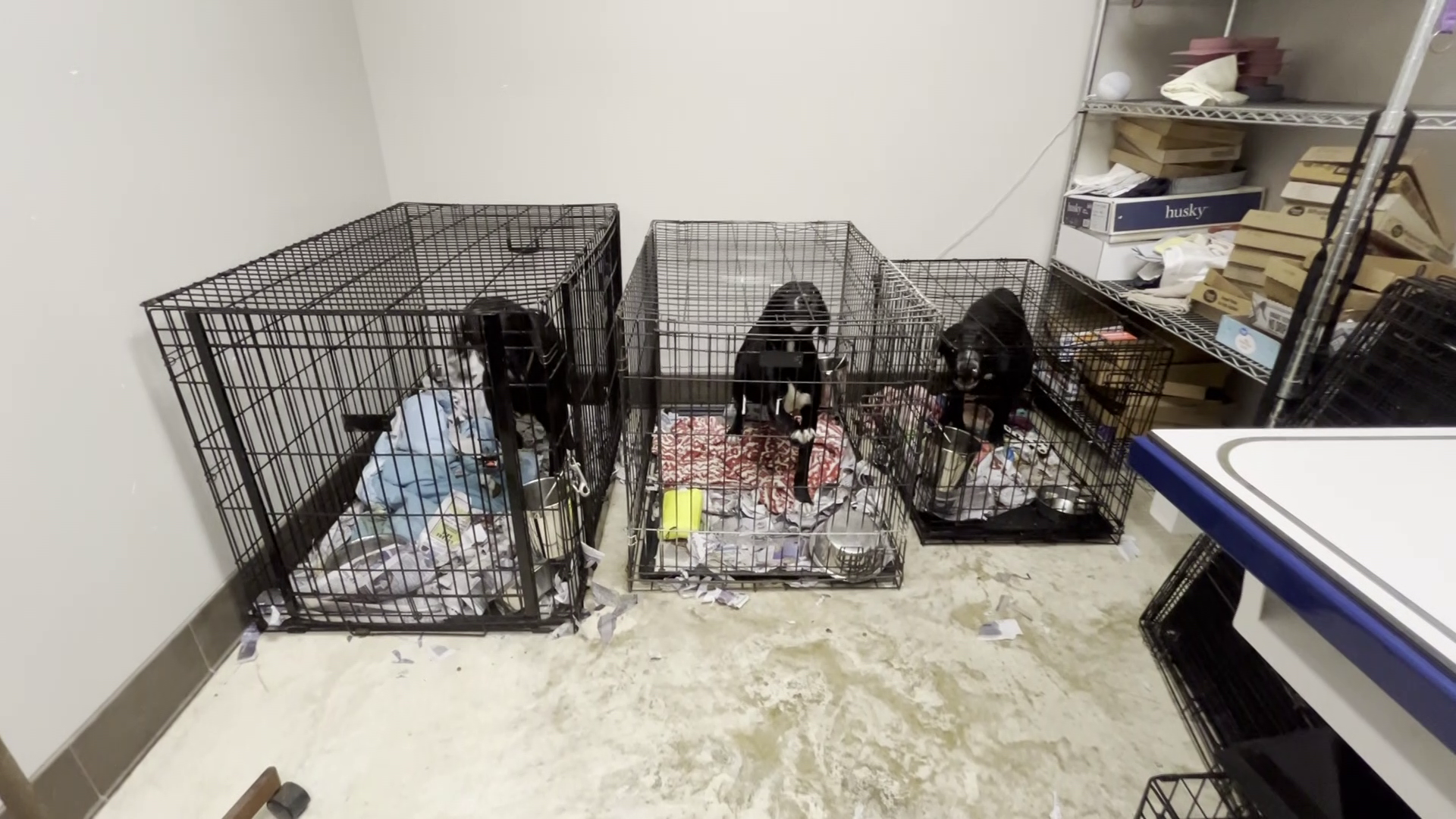
A routine delivery route turned into a rescue mission when an Amazon driver spotted a cocker spaniel in distress, neglected and alone. The driver immediately contacted authorities, leading to the animal's rescue and transfer to the Tupelo Lee Humane Society. The dog, now safe and receiving veterinary care, serves as a symbol of a larger problem: the shelter is operating far beyond its capacity.
Shelter officials report that the facility is currently housing more animals than it was designed to hold, forcing staff to make difficult decisions about space and resources. The situation has become so critical that the organization issued a public appeal, asking residents to step up through adoptions, temporary fostering, or financial contributions. Every additional animal accepted stretches the staff and supplies thinner, and the recent influx has pushed operations to a breaking point.
The Amazon driver's quick thinking prevented a worse outcome for the spaniel, but the shelter's director emphasized that such rescues are becoming increasingly common. With limited space, the staff must prioritize the most urgent cases, often turning away animals or placing them on waiting lists. The plea for help is not just about one dog; it is about the entire community's role in addressing pet overpopulation and responsible ownership.
Local animal advocates have long warned about the strain on the Tupelo Lee Humane Society, a nonprofit that relies heavily on donations and volunteer support. The shelter provides essential services including spay and neuter programs, but the demand consistently outpaces available resources. The current crisis has prompted calls for more long-term solutions, such as increased funding for animal control and public education on pet care.
The rescued cocker spaniel, though a success story, also highlights the systemic issues. Staff members are working overtime to ensure all animals receive proper care, but the emotional toll on employees is high. The shelter's director expressed gratitude for the Amazon driver's compassion but stressed that the community's collective effort is needed to prevent similar situations from recurring.
In the meantime, the shelter is hosting adoption events and expanding its foster network. The goal is to reduce the population to a manageable level while maintaining quality care for every animal. For those unable to adopt, donations of food, blankets, and monetary gifts are equally welcome. The shelter also encourages residents to report cases of neglect or abandonment promptly, as early intervention can save lives and reduce strain on the system.
This incident serves as a reminder that animal welfare is a shared responsibility. The Tupelo Lee Humane Society continues to work tirelessly, but without community support, the cycle of overcrowding and neglect will persist. The Amazon driver's act of kindness sparked a rescue, but the real change lies in sustained public engagement.
Article commentary
The Tupelo Lee Humane Society's plea reflects a broader crisis in animal welfare that many shelters face nationwide. Overcrowding is often a symptom of insufficient funding, limited spay and neuter access, and a lack of public awareness. While the Amazon driver's intervention was commendable, systemic solutions are needed to prevent neglect and reduce shelter intake. Communities must invest in preventive measures, such as low-cost veterinary services and education, to ease the burden on facilities like this one. The shelter's situation calls for a collective response, not just a temporary fix.