Reward for Info on Lake Tahoe Tree Poisoning
Edited by Casualplayhub News Editorial. Source: KOLO8 Crime. Casualplayhub News adds summary, context, and editorial framing while linking back to the original report.
The Washoe County Sheriff's Office is intensifying its investigation into the deliberate poisoning of 28 mature trees along the shores of Lake Tahoe, a crime that has shaken the community of Incline Village, Nevada. Secret Witness, a nonprofit that supports anonymous tips, has stepped in with a $1,000 reward for information that leads to the arrest of the suspects. The reward underscores the seriousness of the case, which authorities say caused an estimated $300,000 in damage to the beloved Burnt Cedar Beach area.
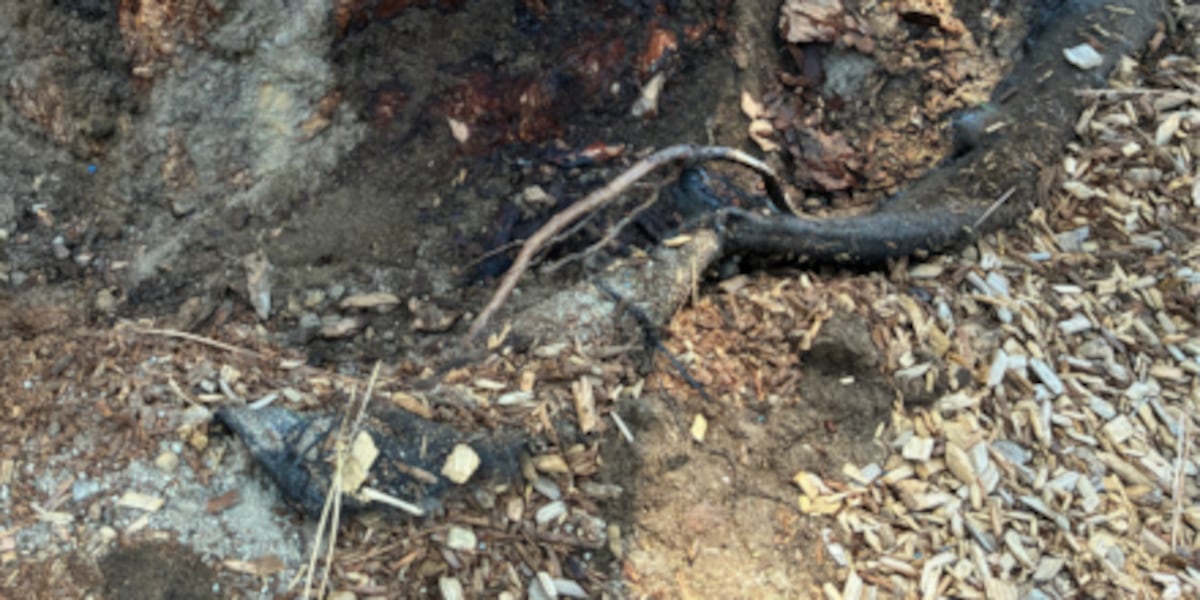
Deputies have traced the attacks back to 2022, when six trees were first poisoned. Another six were hit in 2024, and then on Friday, July 24, 2026, officers discovered an additional 16 trees that had been deliberately poisoned. The pattern suggests a sustained campaign of environmental vandalism. To determine what chemical agent was used, soil samples have been collected and sent to a laboratory for testing, officials said.
“We take these crimes very seriously and will utilize every available resource to identify and apprehend the person or persons responsible,” said Sheriff Darin Balaam. “The destruction of mature trees in the Tahoe Basin and the environmental damage caused by these deliberate acts are unacceptable.” His statement reflects the frustration of local residents and environmental groups who have watched the iconic shoreline suffer.
The poisoned trees, many of them decades old, are a vital part of the beach’s natural beauty and ecosystem. The loss not only mars the landscape but also threatens wildlife habitat and soil stability. If convicted, the suspects could face felony charges due to the high value of the damage.
Balaam urged anyone with information, no matter how minor it might seem, to contact his team directly at (775) 328-3001. Alternatively, tips can be submitted anonymously to Secret Witness, which is available in both English and Spanish. English speakers can call (775) 322-4900, and Spanish speakers can use the same number. Online tips are also accepted through the Secret Witness website. The case remains open, and detectives are following multiple leads.
This incident follows a broader trend of environmental crimes in the Tahoe Basin, where fragile ecosystems are under pressure from both human activity and climate change. The poisoning of mature trees is particularly egregious because of the slow growth rates in high-altitude settings. Each tree lost represents decades of natural recovery. Local residents have expressed outrage on social media, calling for stronger penalties for those who damage public lands.
As the investigation continues, the reward from Secret Witness may encourage someone with inside knowledge to come forward. The organization has a long history of helping solve crimes in northern Nevada, and this case is no exception. The sheriff’s office has not yet released details about any suspects or motives, but they are processing evidence and reviewing surveillance footage from nearby areas.
For now, the beach remains open, but the scarred trees serve as a stark reminder of the damage that can be done by a few individuals. Authorities hope that the $1,000 reward will be enough to break the silence and bring those responsible to justice.
Article commentary
The tree poisoning at Burnt Cedar Beach is a stark example of environmental vandalism with significant financial and ecological consequences. The $300,000 damage estimate underscores the value of mature trees in alpine regions, where growth is slow and recovery is uncertain. The involvement of Secret Witness with a $1,000 reward reflects the community's determination to hold perpetrators accountable. However, the reward amount seems modest compared to the scale of damage, which may limit its effectiveness. The case also highlights a broader issue: the need for stronger surveillance and deterrents in public natural areas. As climate pressures mount, protecting such ecosystems becomes even more critical.