Undertaker Reveals Why He Loved Wrestling Steve Austin at House Shows
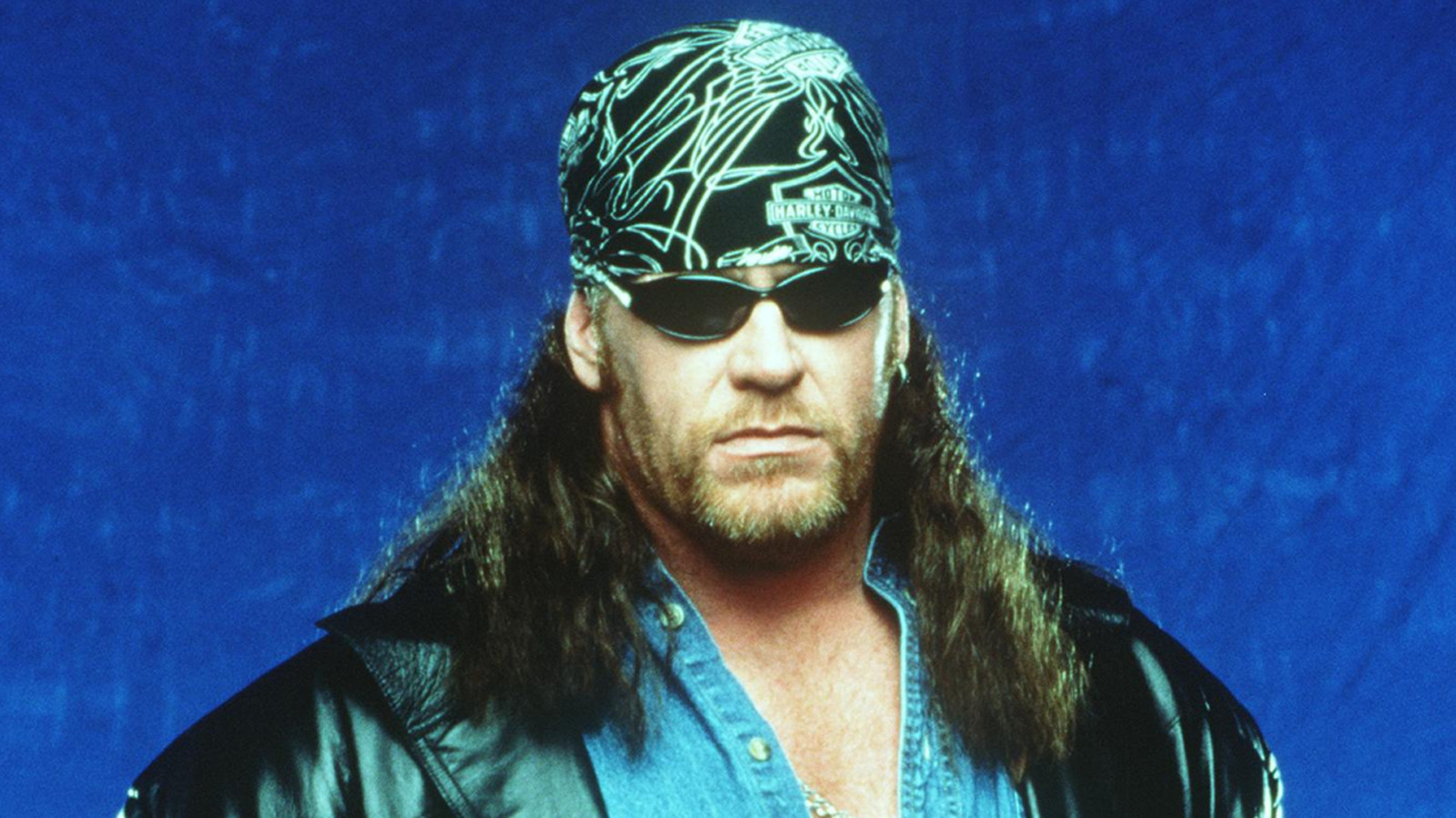
Edited by Casualplayhub News Editorial. Source: Wrestling Inc.. Casualplayhub News adds summary, context, and editorial framing while linking back to the original report.
During the peak of WWE's Attitude Era, two of the biggest names in the industry—The Undertaker and "Stone Cold" Steve Austin—were rarely matched in serious singles competition on television or pay-per-view. But behind the scenes, away from the cameras and the pressure of live broadcasts, something special happened. Mark Calaway, the man who portrayed The Undertaker for over three decades, recently opened up about why he cherished those house show encounters with Austin more than any other setting.
On his podcast "Six Feet Under," Calaway reflected on the unique dynamic of wrestling Austin at live events, describing it as a playground for creativity. "I enjoyed working with Steve more in house shows than I did on TVs or pay-per-views," he said. "The house shows, back in the day—that's when you really got to go out and be creative, and be spontaneous, and just really do the craft of professional wrestling." He added that Austin, despite his intense on-screen persona, had a playful side that made their matches unforgettable. "It was so fun with him because, his character, as intense as it was, he could be a funny son of a b***h in the ring."
One example Calaway shared involved a house show where Austin, as a joke, attempted The Undertaker's signature move, Old School. Instead of walking the top rope, Austin balanced on the bottom rope, drawing laughter from the crowd and a bemused reaction from the Deadman. Such a spot would never have been greenlit for a televised event, but at a live show, it was welcomed. This freedom allowed the two to experiment and push the boundaries of their characters without the constraints of scripted television.
Beyond the creative liberty, Calaway pointed out practical advantages of working with Austin. "One of my favorite things working with Steve—one, you were definitely going to be on top, right? ... Your payoffs were going to be good, your fan reactions [were] going to be amazing," he said. The financial reward and the electric atmosphere in the arenas made every house show a memorable experience. Austin's popularity ensured that any match involving him drew massive crowd reactions, and the Undertaker's presence elevated the stakes even further.
Their history in televised matches is well-documented: seven one-on-one pay-per-view contests and nine appearances on "WWE Raw" between 1996 and 2002. But Calaway's remarks offer a behind-the-scenes glimpse into why the house shows held a special place in his heart. In an era where WWE's biggest stars were often kept apart to preserve marquee matchups, the live events became a sanctuary for genuine, unscripted wrestling.
For fans, these stories add a layer of appreciation for the artistry of professional wrestling. The ability to deviate from the script, to connect with a live audience in real-time, and to share a laugh with a fellow performer are elements that define the craft. Calaway's candid recollections remind us that even the most iconic characters have moments of pure joy inside the ring, away from the bright lights of television.
Article commentary
Calaway's reflections highlight a seldom-discussed aspect of professional wrestling: the creative freedom found in house shows. While televised events are meticulously scripted, live events allow wrestlers to improvise and connect authentically with audiences. This insight challenges the perception that WWE's biggest stars only thrived under strict production. The dynamic between Undertaker and Austin, two contrasting personalities, produced a rare blend of intensity and humor. Calaway's honest praise for Austin's versatility underscores the importance of mutual trust in the ring. Ultimately, this commentary enriches the narrative of the Attitude Era, showing that the most memorable moments often happened when the cameras were off.