Union Oyster House Celebrates 200 Years of Boston History
Edited by Casualplayhub News Editorial. Source: NECN Providence. Casualplayhub News adds summary, context, and editorial framing while linking back to the original report.
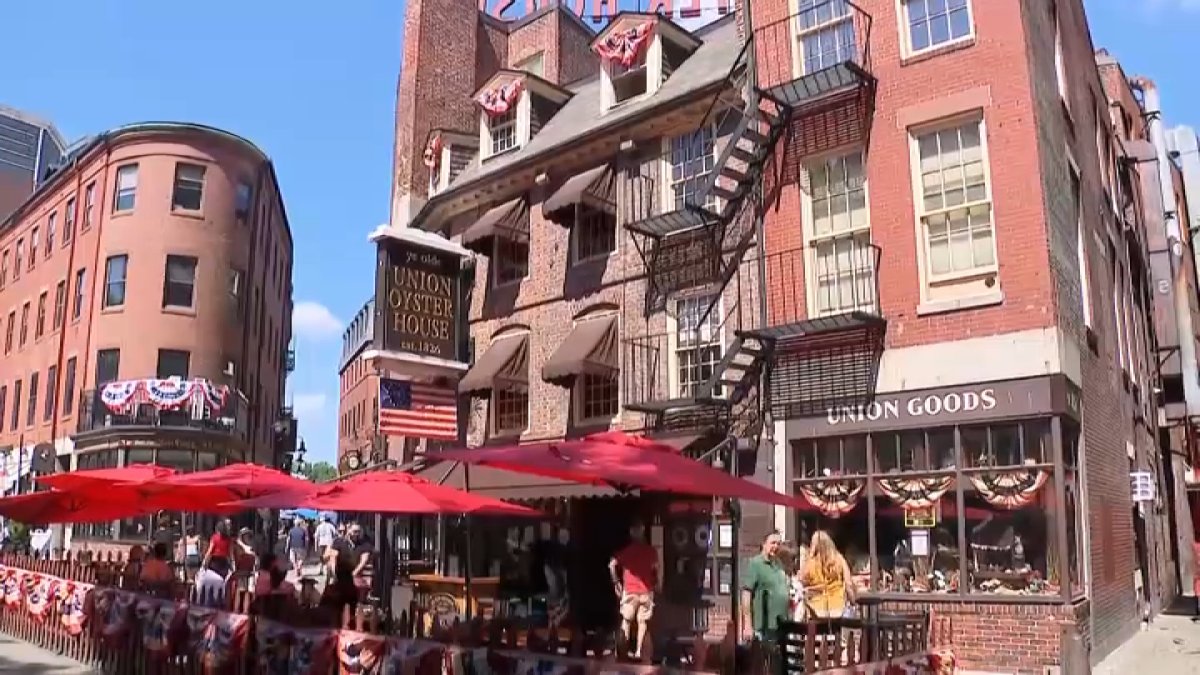
On a cobblestone street in downtown Boston, a red-brick building stands as a living testament to American culinary history. This month, Union Oyster House celebrates its 200th anniversary, a feat few restaurants anywhere can claim. The restaurant first opened its doors in 1826, and since then, it has been owned by only four families. That continuity is rare in the restaurant world, where turnover is the norm. Today, Union Oyster House is recognized as the oldest continuously operating restaurant in the United States, a distinction that draws visitors from around the globe.
Designated a National Historic Landmark, the restaurant sits right on Boston's Freedom Trail, a path that winds through the city's most historic sites. Its location has made it a natural stop for tourists and locals alike. Inside, the worn wooden floors, low ceilings, and oyster bar evoke a bygone era. One of the most famous spots is the Kennedy booth, where Senator John F. Kennedy was a regular. The booth remains a pilgrimage site for political history buffs.
The menu centers on New England fare: clam chowder, lobster rolls, and, of course, oysters freshly shucked at the bar. Executive chef Robert Warsheski, who leads the kitchen, says the secret to the restaurant's longevity is simple. "It's the history, the food, and the team, the people that are here, that's what helps make this place so special," he said. For him, the milestone is a celebration of the entire community that has kept the restaurant alive.
Visitors often share a sense of wonder. Brittany Martin, who traveled from Texas, said, "I came to Boston and wanted to see all historical things. Knowing that it's 200 years old just makes it even better." Her reaction echoes that of countless others who step through the doors expecting a meal but leaving with a sense of connection to the past.
The restaurant's 200-year journey has not been without challenges. It has weathered economic depressions, wars, and shifting culinary trends. Yet each generation of owners has preserved the character of the place. The building itself has been maintained with care, its historic integrity intact. The oyster bar, a centerpiece of the dining experience, continues to serve the same type of seafood that made the restaurant famous in the 19th century.
Union Oyster House occupies a unique niche in Boston's cultural landscape. It is both a museum and a working restaurant, a place where history is not just displayed but lived. Patrons can sit where generations before them have sat, eating the same dishes, soaking in the same atmosphere. The staff, many of whom have worked there for decades, add to the sense of tradition.
As the restaurant marks its bicentennial, it also looks forward. The challenge for any historic establishment is to remain relevant without losing its soul. Union Oyster House seems to have found that balance. By honoring its past while welcoming new generations, it ensures that the next 200 years may be just as vibrant as the first.
Article commentary
Union Oyster House's bicentennial is a remarkable achievement in the notoriously fickle restaurant industry. As a National Historic Landmark, it transcends mere dining, serving as a cultural anchor for Boston. The fact that only four families have owned it in 200 years suggests a continuity of vision and stewardship. While many historic restaurants have faded, Union Oyster House has adapted to changing times while preserving its heritage. Its success offers lessons in authenticity, community engagement, and the enduring power of a simple, well-executed concept. However, maintaining such a legacy requires constant innovation - a balance this icon has mastered.