Why Thunder Can Thrive Without a Fixed Starting Five in 2026
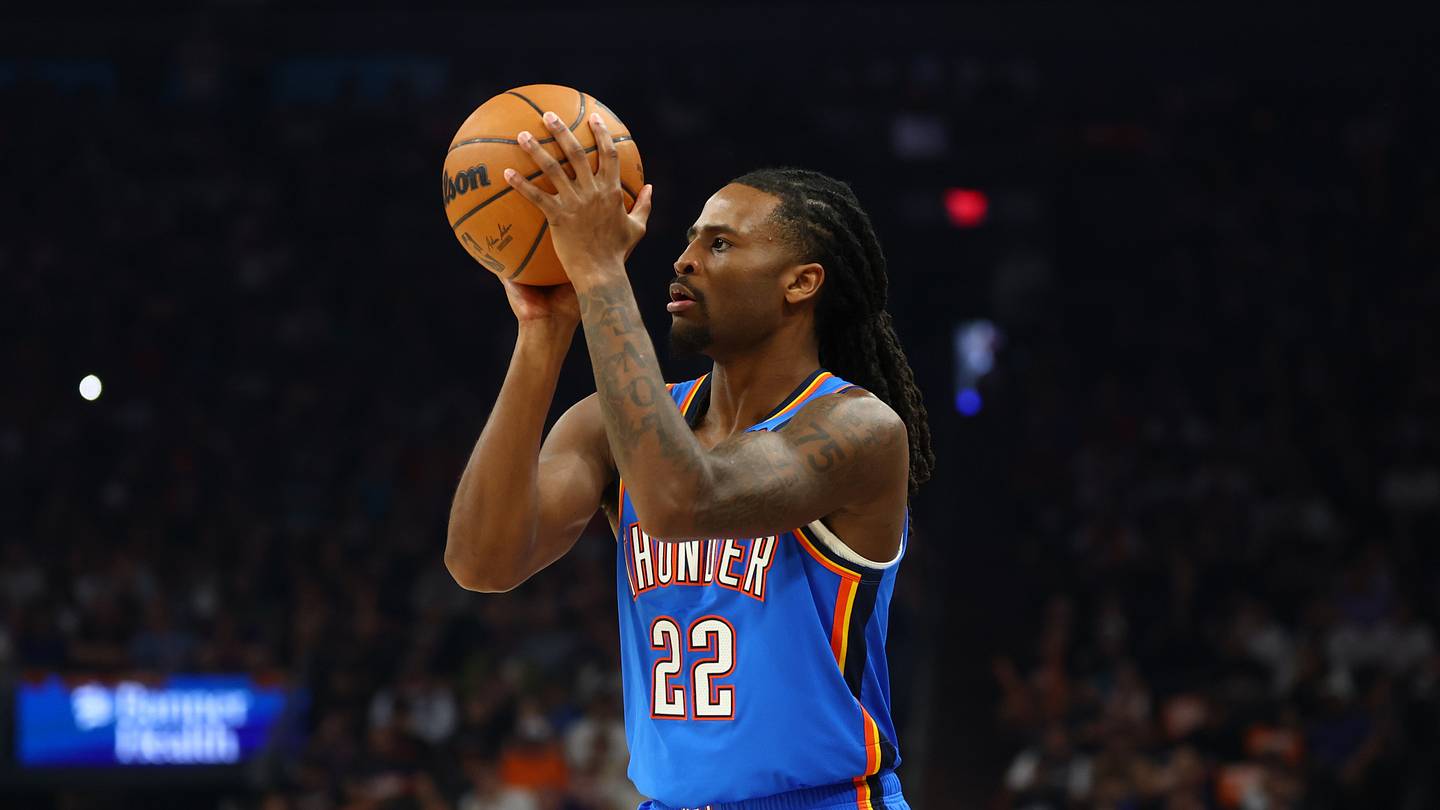
Edited by Casualplayhub News Editorial. Source: SI NBA. Casualplayhub News adds summary, context, and editorial framing while linking back to the original report.
The Oklahoma City Thunder head into the 2026 season facing a puzzle that many teams would envy: a roster so deep that the starting lineup remains uncertain even as training camp approaches. The puzzle, however, might not need a single solution. After winning the NBA championship in 2025, the Thunder underwent a notable roster shakeup. Lu Dort, Isaiah Joe, and Aaron Wiggins all departed for Eastern Conference teams, leaving the wing rotation thinner and creating a vacancy in the first five. Dort, in particular, had been a fixture of the starting lineup for seven seasons, anchoring the perimeter from the rebuilding years through the title run. His absence raises legitimate questions about how the Thunder will fill that role. But the more pressing question may be whether they need to fill it with a permanent name at all. The expected core starters are clear: Shai Gilgeous-Alexander, Jalen Williams, Chet Holmgren, and Isaiah Hartenstein will almost certainly be on the floor tip-off. The fifth spot, however, presents a wealth of options rather than a shortage. Cason Wallace, a defensive specialist capable of guarding multiple positions, is the natural candidate to replace Dort's defensive presence. Ajay Mitchell offers a different skill set, with playmaking and ball-handling that could ease the load on Gilgeous-Alexander. Jared McCain, who started games during the Western Conference Finals, brings elite three-point shooting and a proven ability to perform under pressure. Head coach Mark Daigneault has never been one to lock into a rigid rotation. He has consistently emphasized that the starting five is just one part of the game plan, not a fixed hierarchy. In past seasons, injuries forced the Thunder to use a variety of starting lineups, but when healthy, a consistent group usually emerged. That consistency was largely because Dort's spot was never in doubt. Now, with that anchor gone, Daigneault has the freedom to tailor his starting lineup to each opponent. Against a team with a superstar guard, Wallace's defense could be the choice. Against a slower defense, Mitchell's ability to create shots might be more valuable. Against a zone, McCain's shooting could stretch the floor. The Thunder's depth is not just about having capable players; it's about having complementary pieces that change the team's identity from night to night. This flexibility could be a significant advantage in a long regular season and deep playoff run. Opponents will have to prepare for multiple looks, and the Thunder can adjust without sacrificing chemistry because the core four remain constant. The only potential downside is the lack of continuity, but Daigneault's rotations have always prioritized rhythm over routine. The starting lineup conversation will dominate headlines and fan debates throughout the season. But for a team that just won a title and is adapting to roster turnover, the ability to adapt on the fly might be exactly what keeps them in contention. The Thunder don't need a fixed starting lineup; they need the right starting lineup for each game, and they have the pieces to make that work.
Article commentary
The Thunder's approach to a rotating fifth starter reflects a broader trend in modern NBA roster construction: valuing versatility over rigidity. By not forcing a permanent lineup, Oklahoma City can exploit matchups while keeping all players engaged. The risk is that roles become unclear, but Daigneault's track record with player development and rotation management suggests he can navigate that. Wallace, Mitchell, and McCain each bring distinct strengths that could be weaponized against specific opponents. This flexibility may also help manage minutes and injuries over the grueling season. Ultimately, the Thunder are prioritizing adaptability over consistency, a strategy that could pay dividends if executed well.