FBI, NCAA Unite to Protect Athletes from Digital Exploitation
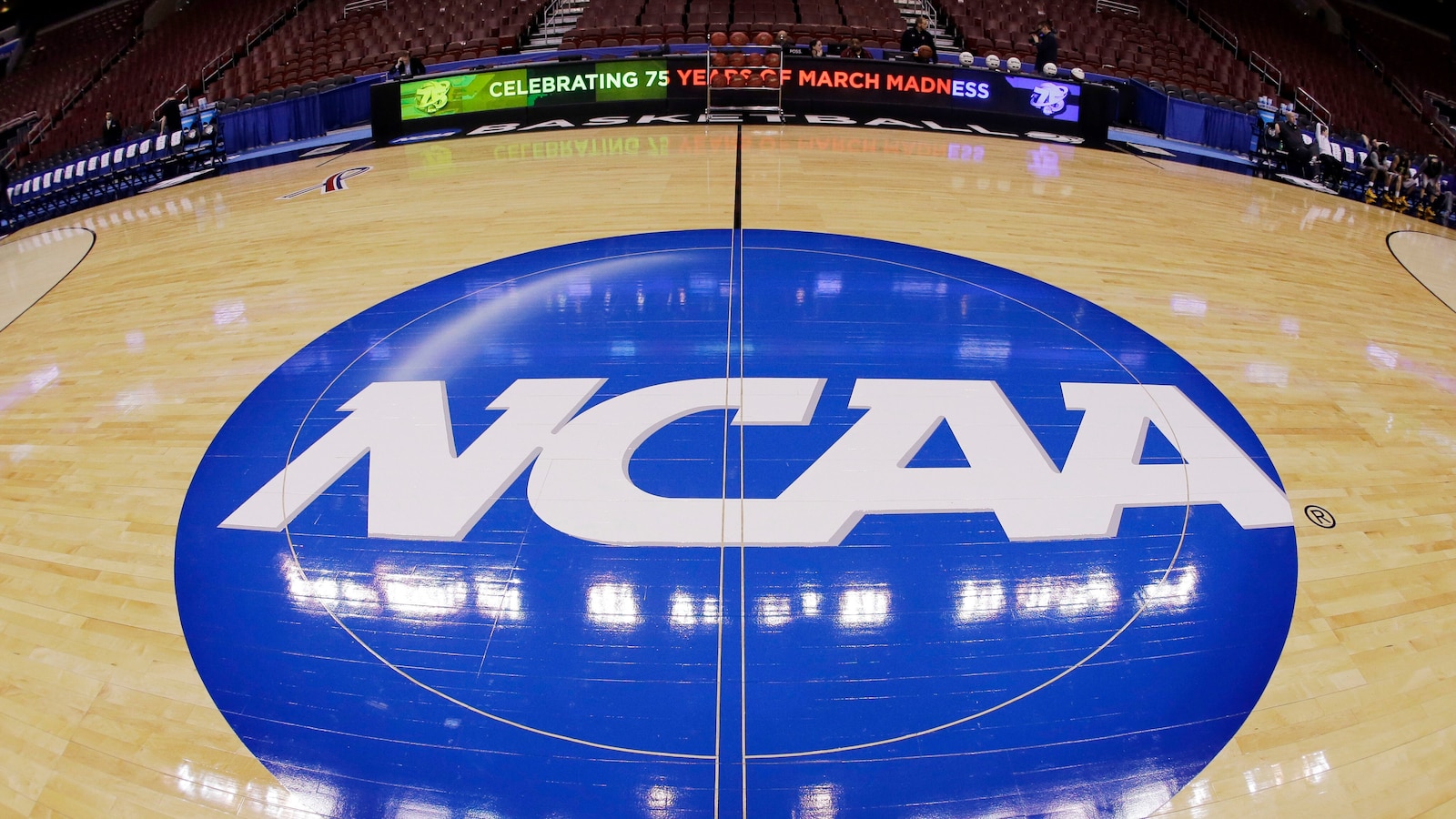
Edited by Casualplayhub News Editorial. Source: ABC News US. Casualplayhub News adds summary, context, and editorial framing while linking back to the original report.
Ad eligibility review: sensitive-topic
In a groundbreaking move to address the dark side of college athletics' digital age, the FBI has joined forces with the NCAA to launch a comprehensive program designed to combat the sexual exploitation of student-athletes. The collaboration, announced on Monday, August 10, 2026, comes at a time when athletes are increasingly monetizing their personal brands through name, image, and likeness (NIL) agreements—a trend that has inadvertently made them more vulnerable to online predators.
Federal investigators have identified a troubling pattern: bad actors are systematically targeting athletes through sophisticated cyber schemes. These include phishing emails that mimic legitimate platforms, brute-force attacks on passwords and PINs, and impersonation of social media customer service representatives who demand urgent password resets. Once hackers gain access, they steal private images, then sell or post them on illicit forums. This often escalates into sextortion, where victims are harassed, stalked, or threatened with the public release of their content—sometimes even on their own social media pages.
"Athletes have large social media followings, expanded further by NIL activities that not only increase the exposure for targeting, it increases the leverage vendors believe they hold to expose them," said Shohini Sinha, assistant director of the FBI Victim Services Division. "There is a pressure to protect the clean image of their school, team and themselves."
The program marks a significant shift from reactive policing to proactive education. Rather than merely investigating after crimes occur, the FBI and NCAA will work together to teach athletes how to recognize red flags, secure their accounts, and report suspicious activity. This preventive approach is critical, as neither organization has released specific numbers of victimized athletes, though anecdotal evidence suggests the problem is widespread.
NCAA Vice President of Enforcement Jon Duncan underscored the organization's commitment: "If we can play even a small role in preventing these crimes or getting justice or appropriate support for the people impacted by them, we will do everything we can to help."
The initiative arrives amid a broader cultural reckoning with online exploitation. College athletes, thrust into the spotlight by NIL deals, often manage their own social media without professional support, making them prime targets. The FBI notes that the same platforms that help athletes build their brands can also be weaponized against them.
Training sessions will cover secure password practices, two-factor authentication, and how to verify official communications from social media companies. Additionally, the program will establish a confidential reporting channel for athletes who suspect they have been targeted. The FBI will also work with universities to create rapid-response protocols for sextortion cases, ensuring that victims receive immediate psychological and legal support.
Critics, however, question whether the partnership goes far enough. Some argue that the NCAA and universities bear responsibility for the environment that made athletes vulnerable in the first place. Others point to the need for stronger federal legislation against non-consensual image sharing. But for now, the FBI and NCAA are focused on what they can control: arming athletes with the knowledge to stay safe.
As the NIL landscape continues to evolve, this partnership may serve as a model for other sports organizations. The message is clear: talent and fame should not come at the cost of personal security.
Article commentary
The FBI's collaboration with the NCAA to combat sexual exploitation of college athletes is a timely and necessary intervention, but it also raises deeper questions about the pressures of modern athletic stardom. The program's emphasis on education and prevention is commendable, yet it places the burden of safety largely on the athletes themselves—a familiar pattern in cybersecurity where individuals are told to 'be more careful' rather than addressing systemic vulnerabilities. At its core, the initiative acknowledges a grim reality: the NIL era has created a lucrative but dangerous ecosystem. Athletes are encouraged to monetize their personal brands, but they are often ill-equipped to handle the accompanying risks. The FBI's identification of phishing, password theft, and impersonation as primary attack vectors highlights that these are not sophisticated heists but rather low-tech scams that exploit basic human trust. This suggests that a more robust technological infrastructure—such as mandatory multi-factor authentication for all athlete accounts, or platform-level safeguards—could be more effective than solely relying on athlete vigilance. Moreover, the partnership lacks transparency regarding the scale of the problem. Neither the FBI nor the NCAA provided specific victim numbers, which makes it difficult to assess the true scope of sextortion in college sports. Without data, it is challenging to allocate resources effectively or to measure the program's impact. While privacy concerns may limit data sharing, a baseline survey or anonymous reporting mechanism could help track trends without compromising victims. Another layer of complexity is the power dynamic between athletes, universities, and the NCAA. Athletes are under immense pressure to maintain a 'clean image' for their schools and teams, as Sinha noted. This pressure can discourage victims from coming forward, fearing reputational damage or loss of scholarship. The program's success will depend on whether it can create a truly safe space for reporting, free from institutional reprisal. The commentary also cannot ignore the role of social media platforms. The FBI's approach focuses on the human element, but platforms like Instagram, TikTok, and X (formerly Twitter) have a responsibility to proactively detect and remove non-consensual intimate images. While the program includes education on reporting to platforms, the onus should not be solely on victims to navigate often opaque reporting systems. The partnership could be strengthened by advocacy for stronger platform accountability, such as the use of automated hash-matching databases to prevent image re-uploading. Historically, similar initiatives in other sectors—such as the FBI's 'Safe Online Surfing' program for children—have shown that education alone has limited effect without systemic changes. The NCAA and FBI would do well to incorporate periodic audits of university cybersecurity practices, enforcement of minimum security standards, and collaboration with tech companies to develop athlete-specific safety tools. Ultimately, this partnership is a positive step, but it must evolve. Addressing the root causes—including the commodification of athletes' bodies and the economic incentives for exploitation—requires a broader societal conversation. For now, the hope is that this program not only protects athletes but also sets a precedent for how sports organizations can adapt to the digital age without sacrificing the well-being of those they serve.