Congress demands MLB action over Harper FanDuel video
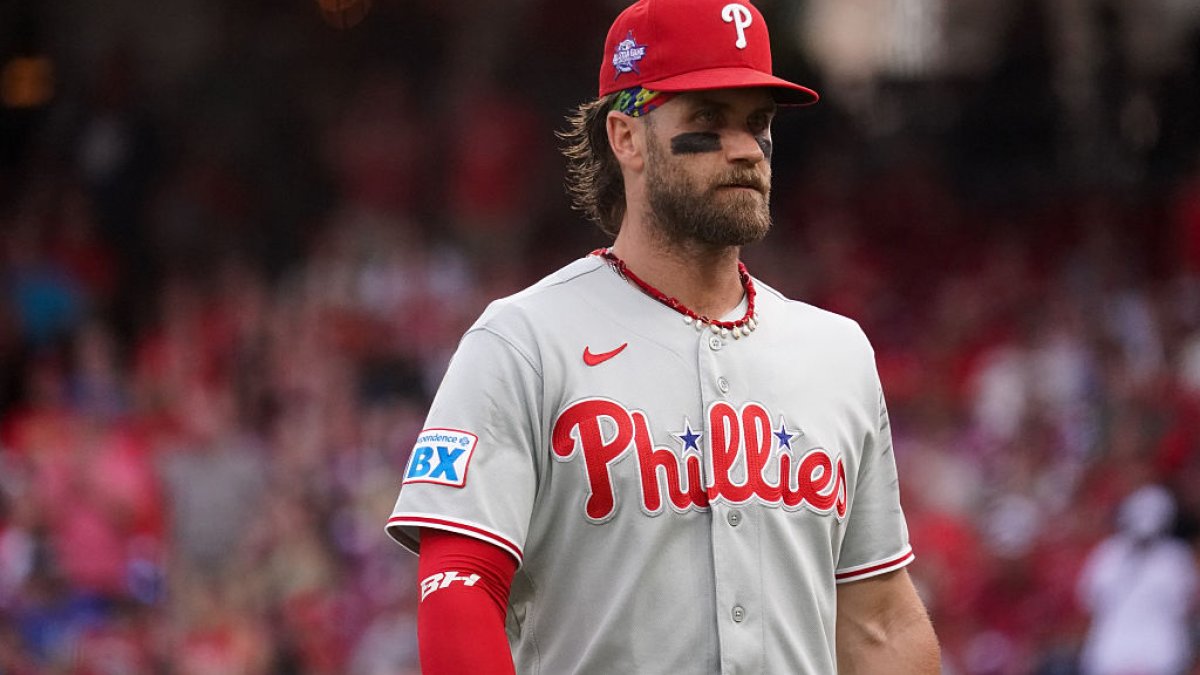
Edited by Casualplayhub News Editorial. Source: NBC10 Philadelphia Sports. Casualplayhub News adds summary, context, and editorial framing while linking back to the original report.
Ad eligibility review: sensitive-topic
The intersection of professional sports and gambling has come under intense scrutiny after three U.S. lawmakers demanded that Major League Baseball and its players' union take action over a promotional video featuring Bryce Harper. The video, created by sportsbook FanDuel, was sent to a man who says he lost approximately $1.5 million on the platform due to a gambling addiction. The Philadelphia Inquirer first broke the story on July 9, 2026, detailing how the man received a personalized message from the Phillies slugger thanking him for his support and acknowledging his son.
Harper, who was preparing for the MLB All-Star Home Run Derby, addressed the controversy on July 13 through Instagram Stories. He explained that the video was originally recorded in November 2024 through Cameo, a platform where fans pay for personalized messages. At the time, a user identifying as "Bryttanni" submitted a request for a holiday video for someone named Terry. Harper said he was not informed that the video would be used for commercial purposes, nor did he give permission for FanDuel to add its logo and use it in a VIP gambling promotion. "Had I known FanDuel's true intent, I would not have made the video," Harper wrote. "The same is true had I known anything about Terry or his situation, or about any alleged 'partnership' between Cameo and FanDuel."
The letter, signed by Senator Richard Blumenthal, Congressman Paul Tonko, and Congresswoman Valerie Foushee, was sent to both MLB and the MLB Players Association. It demands that the organizations change their policies to prevent similar incidents. The lawmakers posed a series of pointed questions: Where do MLB and the union stand on allowing players to seek endorsements from sportsbooks, especially as the collective bargaining agreement is renegotiated and the MLBPA has publicly stated its intention to expand gambling partnerships? How will they ensure fan safety and well-being take precedence over revenue? Are current policies adequate to prevent engagement with predatory VIP programs? Will they educate players about the risks their participation in sportsbook promotions poses to fans? And will they prohibit players from participating in personalized marketing campaigns tied to VIP or tier programs?
FanDuel responded to NBC10 on Monday evening, emphasizing its commitment to responsible gaming. A spokesperson said the company trains employees to recognize signs of problem gambling and offers resources and tools. "Unlike illegal offshore sportsbooks, FanDuel employees are trained to recognize and flag signs of problem gambling and offer resources and tools, and we continue to review and strengthen our policies to ensure we have the industry's strongest consumer protection initiatives," the statement read. NBC10 also reached out to MLB but had not received a response at the time of reporting.
This incident highlights the delicate balance between sports leagues' growing embrace of gambling revenue and the ethical obligations to protect vulnerable fans. The involvement of a high-profile player like Harper, who claims he was deceived, adds a layer of complexity. The case raises questions about the oversight of third-party platforms like Cameo and the extent to which athletes are shielded from exploitative practices. As the MLB and MLBPA continue negotiations, the letter from Congress signals that lawmakers are watching closely, and the pressure is mounting for clearer guidelines and stronger safeguards.
Article commentary
The controversy surrounding Bryce Harper and FanDuel encapsulates the fraught relationship between professional sports and the gambling industry. Since the Supreme Court struck down the federal ban on sports betting in 2018, leagues have rushed to embrace partnerships with sportsbooks, seeing a lucrative revenue stream. Yet this case reveals a dangerous blind spot: the use of personalized player endorsements to target individuals with gambling problems. The video sent to a man who lost $1.5 million is not a random marketing gimmick; it is a calculated move within a VIP program designed to reward high spenders, many of whom may be struggling with addiction. Harper's defense—that he recorded the video through Cameo without knowing its ultimate use—raises legitimate questions about liability. Athletes are often shielded by contracts and intermediaries, but they also bear some responsibility for the content they produce. However, the more troubling issue is that FanDuel, a regulated operator, allegedly exploited a loophole by sourcing a player message from a third-party platform and rebranding it for promotional purposes. This suggests that the company's internal controls were either inadequate or deliberately bypassed. FanDuel's response, emphasizing training and resources, does not address the core problem: how a vulnerable individual was targeted in the first place. The congressional letter is a significant escalation. By asking pointed questions about player endorsements, VIP programs, and collective bargaining, the lawmakers are signaling that self-regulation has failed. The MLBPA's stated desire to increase player involvement with gambling companies makes this particularly timely. While players have the right to seek endorsements, the ethical line must be drawn when those endorsements are used to exploit addicts. The industry must establish clear guidelines: no personalized player messages for gambling promotions, mandatory disclosure of commercial intent, and robust player education on the risks of gambling addiction. This incident also underscores the broader societal challenge of gambling normalization. With sports betting now legal in over 30 states, advertising is ubiquitous, and the line between entertainment and harm is blurred. The man who lost $1.5 million is not an outlier; he is a symptom of a system that profits from addiction. Lawmakers, leagues, and players must work together to ensure that the rush for revenue does not come at the expense of fan welfare. The Harper case is a wake-up call—one that demands action, not just lip service.