Derek Carr Joins UCLA Coaching Staff as Special Advisor
Edited by Casualplayhub News Editorial. Source: Nola Sports. Casualplayhub News adds summary, context, and editorial framing while linking back to the original report.
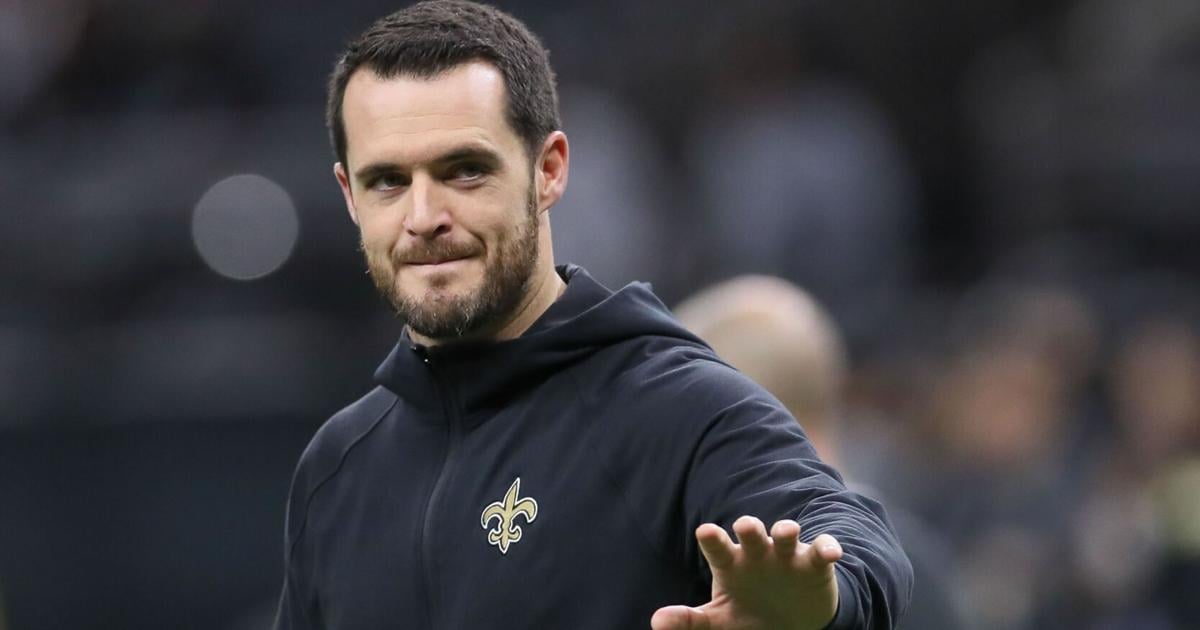
Derek Carr, the former New Orleans Saints quarterback who retired in 2025 after a shoulder injury, is trading the gridiron for the clipboard. The 33-year-old signal-caller has been named a special advisor to UCLA Bruins head coach Bob Chesney, the school confirmed this week. In his new role, Carr will mentor the team's quarterbacks, contribute to offensive game-planning, and provide a veteran perspective to a program looking to build on recent momentum.
Chesney, who took over the Bruins in 2024, welcomed Carr with enthusiasm. "We are excited to welcome Derek to our program," he said. "He has played the quarterback position at a high level for more than a decade, and his experience, leadership and football knowledge will be an incredible resource for our coaching staff and student-athletes." The move signals UCLA's intent to infuse its roster with NFL-caliber insight, a strategy that has become increasingly common as college programs seek to bridge the gap between professional and amateur football.
Carr's journey to Westwood is a winding one. After a standout college career at Fresno State, he was selected by the Oakland Raiders in the second round of the 2014 NFL Draft. Over nine seasons with the franchise—which later relocated to Las Vegas—he set team records for passing yards (35,222), touchdown passes (217), and completions (3,207). He earned four Pro Bowl selections and led the Raiders to a playoff appearance in the 2021 season. In 2023, he signed a four-year, $150 million contract with the New Orleans Saints, but a recurring shoulder injury limited his effectiveness. He played two seasons in New Orleans, posting a 14-13 record as a starter, before announcing his retirement in early 2025.
Despite stepping away from playing, Carr had hinted at a possible return to the NFL. In interviews, he admitted he still felt the competitive fire but acknowledged the physical toll. Now, he channels that energy into coaching. "I've always loved the game, and I've been blessed to learn from some amazing coaches and teammates," Carr said in a statement released by UCLA. "To be able to give back and help young quarterbacks develop is something I'm really excited about."
UCLA's quarterback room stands to benefit immediately. The Bruins return a promising but inexperienced group, and Carr's presence offers a bridge between theory and practice. He brings a deep understanding of NFL-style offenses, reading defenses, and the mental discipline required at the highest level. Beyond the X's and O's, his leadership—honed in the locker rooms of Oakland, Las Vegas, and New Orleans—will be a major asset for a program aiming to compete in the rugged Big Ten Conference.
The hire also reflects a growing trend of former NFL quarterbacks moving into college coaching. Names like Josh McCown (at Houston), and Philip Rivers (at a high school) have paved the way, but Carr's role at a major university like UCLA represents a significant step. His ability to relate to young athletes while commanding respect from seasoned coaches gives him a unique position on Chesney's staff.
Carr's responsibilities will extend beyond the practice field. He will assist with game-planning, film study, and player development, working alongside offensive coordinator and quarterbacks coach. The title "special advisor" allows for flexibility, but insiders expect Carr to be heavily involved in the day-to-day operations of the quarterback unit.
For UCLA, the addition of a quarterback with 14,592 career passing yards and 85 touchdowns in the NFL is a clear upgrade in institutional knowledge. Carr's journey—from Fresno State to the NFL and now to coaching—provides a compelling narrative for recruits who dream of the same path. As the Bruins prepare for the 2025 season, the presence of a proven winner in the meeting room could be the difference between a bowl game and a conference title run.
Article commentary
Derek Carr's move from the NFL to a college coaching role at UCLA is a fascinating development that reflects broader shifts in the football landscape. At 33, with a decade-plus of high-level experience, Carr is still young enough to relate to players but seasoned enough to command respect. His decision to join Bob Chesney's staff as a special advisor—rather than a full-time position coach—suggests a deliberate, measured entry into coaching, one that allows him to test the waters without committing to the grueling schedule of a position coach. From UCLA's perspective, this is a low-risk, high-reward addition. Carr brings immediate credibility to the program. His NFL résumé includes four Pro Bowls, franchise records with the Raiders, and a brief but impactful stint with the Saints. For a UCLA team transitioning to the Big Ten, having a quarterback who has faced elite competition week in and week out can help bridge the gap between college and professional expectations. The Bruins' quarterback room, which has struggled with consistency in recent years, will benefit from Carr's mentorship in reading defenses, managing game tempo, and handling pressure—intangibles that are difficult to teach but invaluable for success. Carr's timing also aligns with a broader trend of former NFL quarterbacks moving into coaching. From Josh McCown at Houston to Marcus Mariota at Oregon, the pipeline is growing. These players bring a modern understanding of the game, especially in terms of quarterback development, and can often communicate more effectively with young athletes than traditional coaches. Carr's ability to articulate complex concepts in a relatable way will be key to his success. However, there are challenges. Carr has never coached before, and the transition from player to coach is notoriously difficult. The patience required to teach fundamentals, the administrative burden of recruiting, and the emotional toll of losing close games are all new obstacles. His title of "special advisor" gives him some latitude, but his long-term impact will depend on how quickly he adapts to the rhythm of college football. Another factor is Carr's health. He retired due to a shoulder injury, and while coaching is less physically demanding, the mental strain of the job is significant. If he finds the role fulfilling, he could become a sought-after candidate for offensive coordinator or even head coaching positions in the future. But for now, this is a trial run—both for him and for UCLA. Critics might argue that Carr's playing style, which relied heavily on timing and arm strength, may not translate directly to the college game. However, the principles of quarterback play—footwork, decision-making, leadership—are universal. What Carr lacks in schematic nuance, he compensates for with experience and a wealth of game film to draw from. Ultimately, this hiring is a win-win. Carr gets a soft landing into coaching, UCLA gains a proven leader with a nuanced understanding of the position, and the sport gets another example of the symbiotic relationship between the NFL and college football. If Carr can help develop even one quarterback into a future professional, the move will be considered a success. The next season will reveal whether this partnership yields results on the field, but the early signals are promising.