Record Beef Prices: Ranchers Reap Rewards While Feedlots Face Squeeze
Edited by Casualplayhub News Editorial. Source: Fortune. Casualplayhub News adds summary, context, and editorial framing while linking back to the original report.
Last week, Tyson Foods CEO Donnie King delivered a sobering assessment to investors, acknowledging that beef prices have not lived up to expectations. "Beef hasn't performed the way we expected," King said during an earnings presentation, "and we're not pretending otherwise." His candid admission underscores the turmoil rippling through the entire cattle industry, where soaring prices are creating a stark divide between those who profit and those who struggle.
Consumer price index data from the Bureau of Labor Statistics reveals that beef prices have climbed 11.8% over the past year, with a 1.2% monthly increase in June alone. Ground beef is up 12.4% year-over-year, while beef roast prices have surged 13.8%. The root cause? A natural cattle cycle that typically shifts inventories every decade has been amplified by severe drought that dried up pastures and the spread of flesh-eating screwworms, which curtailed cattle imports from Mexico. As a result, the nation's herd size has shrunk to its smallest since 1951.
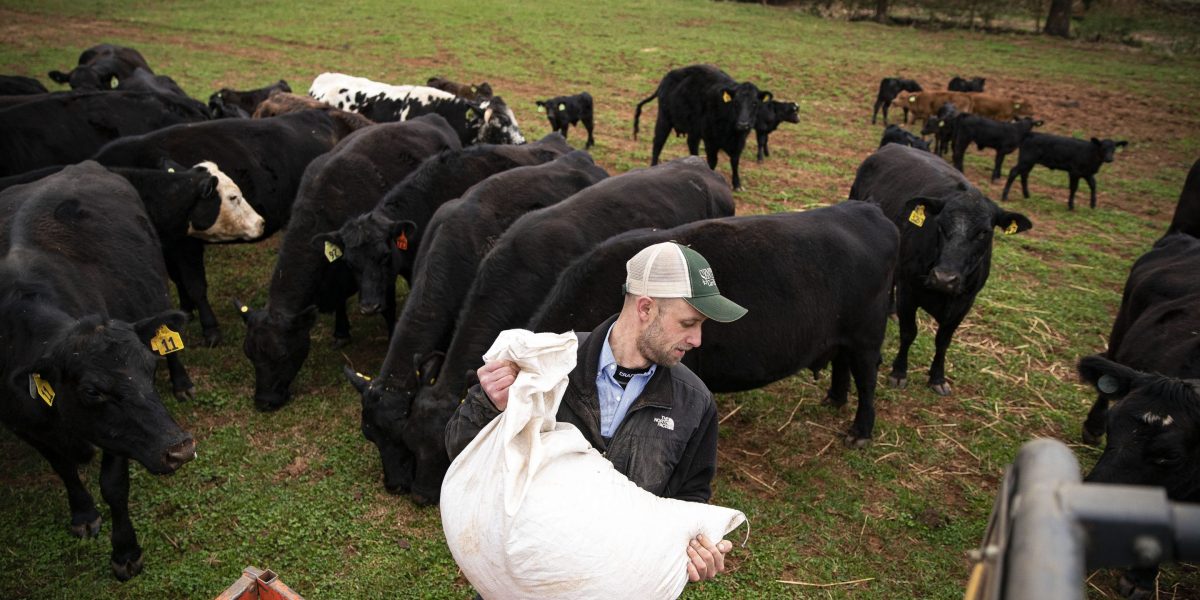
This tight supply is a boon for cow-calf ranchers, the foundation of the industry who raise permanent herds of mother calves. They command higher prices for their feeder calves. According to David Anderson, a Texas A&M professor of agricultural economics, feeder calf prices are expected to rise from $437.44 per hundredweight today to $467 per hundredweight by the second quarter of 2027. Derrell Peel, a professor of agribusiness at Oklahoma State University, explained, "At that primary level, cow-calf production, they are making more money. They're making record returns, by and large."
Yet the story is very different for other segments. Feedlot farmers, who grain-fatten cattle in their final months, face mounting pressure. They must buy increasingly expensive calves while grappling with rising input costs for fertilizers, chemicals, and equipment—largely driven by tariffs. Peel noted that "pretty much everybody above [cow-calf producers] is a margin operation, and most of those margins are under some sort of adverse pressure." He added, "The farther we go with this, the squeeze on cattle numbers is getting tighter."
Feedlots have historically relied on a six-month lag between buying calves and selling them for processing, allowing them to maintain profitability by reducing turnover. But that buffer is eroding. The USDA's June Cattle on Feed report shows that while the number of cattle on feed increased year-over-year, both placements and marketings declined. "Feedlots are having trouble," Peel said. "They're going to have more and more trouble in the coming months of maintaining that volume and keeping their feedlots full."
Meatpackers are also hurting. Tyson Foods, based in Arkansas, reported a $138 million operating loss in its beef segment, with sales volumes dropping 15.9% even as prices rose 12.1%. This bifurcation—where cow-calf ranchers thrive while feedlots and packers struggle—is a familiar pattern in the cattle cycle. Peel points out that boom-and-bust is inherent: when herd inventories are high, ranchers suffer, while downstream sectors benefit. Over time, he says, "they all tend to average out."
What makes this cycle different is its duration and severity, driven by external shocks like drought. Rebuilding the herd takes time, especially with a smaller female population. Peel remarked, "It's been a slower than usual process. It could have started two years ago…but it hasn't for various reasons, and so we're still kind of waiting for that to happen. It's going to prolong this period of tight supplies and the margin structure that we have today." As the industry waits for a turnaround, the pain for feedlots and meatpackers is likely to persist, while ranchers continue to cash in on record prices.
Article commentary
The current divergence in the cattle industry offers a textbook example of how supply constraints can create asymmetric outcomes across a value chain. At the most basic level, the cow-calf ranchers—those who own the breeding stock—are the gatekeepers of the entire supply. When herd numbers dwindle, their bargaining power skyrockets, allowing them to command premium prices for feeder calves. Their profitability is a direct consequence of scarcity, and it reflects a fundamental economic principle: when supply shrinks, the upstream producer with the most inelastic product gains the most leverage. But the same scarcity that enriches ranchers punishes downstream operators. Feedlots, which buy calves and add value through feeding, face a double squeeze: they pay more for inputs while their own output prices are constrained by consumer demand and competition. Meatpackers like Tyson Foods, with thin margins and high fixed costs, are especially vulnerable. The $138 million operating loss in Tyson's beef segment, despite a 12.1% price increase, highlights how volume declines can erase gains from higher prices. This is a classic margin squeeze, amplified by the structural delay in the supply chain. From a broader perspective, the cattle cycle is a natural phenomenon, but its current phase has been abnormally prolonged by external factors—chiefly the severe drought that reduced pasture availability and the screwworm outbreak that restricted imports. These shocks have deepened the herd contraction and delayed the rebuilding phase. Peel's observation that the recovery "could have started two years ago" underscores the uncertainty. Without a quick rebound in herd size, the pressure on feedlots and packers will continue, potentially leading to consolidation or capacity reductions in those sectors. For consumers, the implications are mixed. Record beef prices at the retail level are already straining household budgets, especially for lower-income families. The 11.8% year-over-year increase outpaces overall inflation, and there is no immediate relief in sight. If the shortage persists, we may see further price increases or shifts in consumption patterns, with consumers opting for cheaper proteins like chicken or pork. Looking ahead, the industry's ability to recover depends on weather patterns, disease control, and the pace of herd rebuilding. Ranchers, flush with cash, may invest in expanding their herds, but biological constraints mean it takes years to increase calf supply. Meanwhile, feedlots and packers must navigate a tightrope of cost management and volume. The current cycle serves as a reminder that in commodity markets, fortunes are often made and lost not by innovation, but by timing and position in the supply chain. The winners and losers of today may well reverse in a few years, as the cycle inevitably turns.