Cody Rhodes Defends Avery Styles in Ring Setup Controversy
Edited by Casualplayhub News Editorial. Source: Wrestling Inc.. Casualplayhub News adds summary, context, and editorial framing while linking back to the original report.
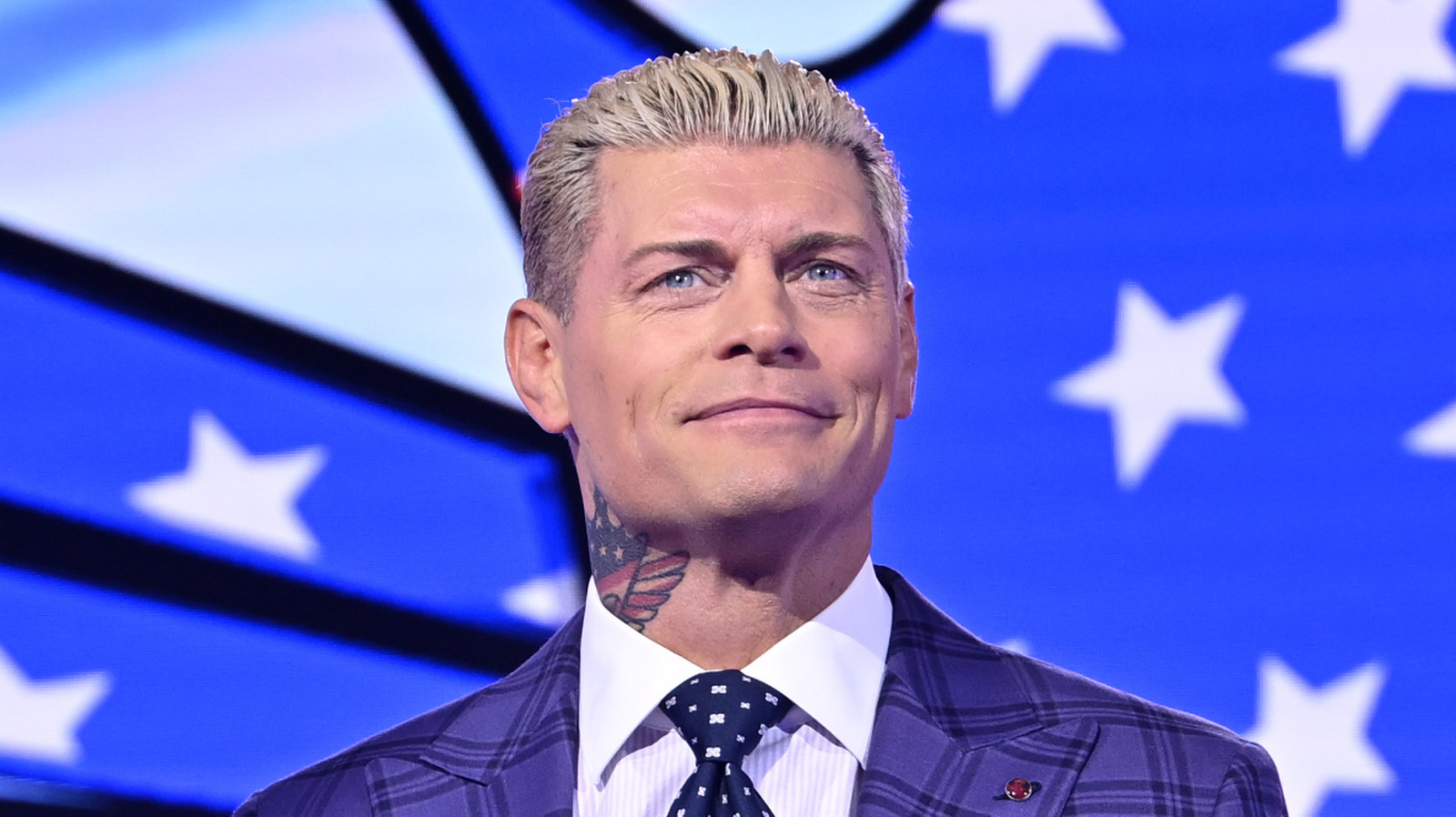
The wrestling world found itself divided this week after a social media squabble over ring etiquette escalated into a full-blown debate involving WWE's top star, Cody Rhodes. At the center of the storm is Avery Styles, the 19-year-old son of WWE Hall of Famer AJ Styles, who recently wrestled for Game Changer Wrestling (GCW) at the Rude Awakening event in Minneapolis, where he lost to Marcus Mathers. The controversy, however, had little to do with the match itself. It began when GCW regular Arik Cannon publicly criticized the younger Styles for failing to assist with venue setup ahead of his bout. Cannon, posting on X (formerly Twitter), argued that wrestlers, especially those new to the industry, should contribute to the physical labor of preparing the ring and surrounding areas. The post quickly gained traction, drawing a response from AJ Styles, who came to his son's defense. The WWE Hall of Famer insisted that Avery was paid solely to compete, not to handle manual labor, and that expecting a teenager to perform such tasks was unreasonable. GCW owner Brett Lauderdale attempted to mediate, writing that he respects both Cannon and AJ, but asked for grace toward Avery, noting that he is still a teenager learning the ropes. The conversation might have faded there, but on Monday, Cannon posted a photo of Cody Rhodes from his early career, sweeping a ring. The image was intended to suggest that even top stars once paid their dues in grunt work. Rhodes, never one to shy away from a debate, quoted the post on Tuesday. In his response, he made it clear he meant no disrespect toward Cannon. However, he offered a different perspective. Rhodes wrote, Avery is 19. His Father was paying dues and making sacrifices throughout that young man's youth that some people may never understand. When you're the family holding down the fort. To simplify...he already set up the fn' chairs. The former Undisputed WWE Champion's words reframed the argument, shifting the focus from physical labor to the emotional and financial sacrifices made by a wrestling family. As of this writing, Cannon has not responded to Rhodes. The incident has sparked widespread discussion on wrestling forums and social media, with fans and pundits weighing in on what constitutes paying dues in the modern era. Some argued that the independent scene has long relied on wrestlers helping with setup and teardown, while others sided with Rhodes and Styles, pointing out that a teenager whose father is a global icon may have already endured a different kind of hardship. The debate also highlights the generational divide in wrestling culture, where older traditions of manual labor clash with newer expectations of professionalism and compensation. For now, the ring is set up, the chairs are in place, and the conversation continues.
Article commentary
This seemingly minor dispute over a teenager's willingness to set up a wrestling ring has opened a window into the evolving culture of professional wrestling. At its core, the controversy between Arik Cannon and the Styles family reflects a deeper tension between tradition and modernity, between the old guard of paying dues and the new reality of a more professionalized, media-savvy industry. Cody Rhodes' intervention was particularly telling. As a second-generation wrestler who himself rose through the independent ranks, Rhodes occupies a unique position. He understands the value of manual labor, as evidenced by the old photo of him sweeping a ring. Yet he also recognizes the sacrifices made by families like the Styles, where a father's career often demands constant travel, missing birthdays, and placing the family in a supportive but overlooked role. Rhodes' comment that Avery has already set up the chairs in a metaphorical sense speaks to a broader definition of contribution. The wrestling business has long romanticized the idea of paying dues, often through physical tasks like loading gear or setting up ring ropes. But that tradition is increasingly questioned in an era where wrestlers are often independent contractors who pay for their own travel, lodging, and training. The debate also raises questions about nepotism and privilege. Avery Styles, as the son of a legend, undoubtedly benefits from name recognition and opportunities others might not have. Yet, as Rhodes pointed out, that privilege comes with its own set of pressures and sacrifices. The expectation that a 19-year-old should perform manual labor before a match, especially when he is there to compete, may be an outdated litmus test for worthiness. GCW owner Brett Lauderdale's call for grace is perhaps the most reasonable take. Avery is a teenager, still developing not only as a wrestler but as a person. The industry has a long history of burning out young talent by demanding too much too soon. On the other hand, Cannon's frustration is not without merit. The independent scene thrives on communal effort, and many wrestlers take pride in helping each other, regardless of their name value. The incident also highlights the role of social media in amplifying personal grievances into public spectacles. What might have been a quiet backstage conversation became a viral moment, drawing in one of the biggest stars in wrestling. This dynamic can be both a blessing and a curse, giving voices to talent but also escalating conflicts unnecessarily. Ultimately, this controversy is less about ring setup and more about respect, expectations, and the evolving definition of what it means to be a professional wrestler. As the industry continues to change, stories like this will serve as touchstones for how the business navigates its past and its future.