Solvang Secures $1M Federal Grant for Wastewater Plant Upgrades
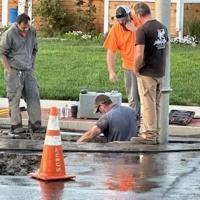
Source: Santa Maria Times Safety. Casualplayhub News adds summary, context, and editorial framing while linking back to the original report.
Solvang, California, is taking a significant step forward in modernizing its wastewater infrastructure, thanks to a $1 million federal grant announced last Wednesday. City officials, joined by U.S. Representative Salud Carbajal, celebrated the award, which is the latest in a series of federal contributions to a long-term overhaul of the town’s wastewater treatment plant. The plant serves both Solvang and the Santa Ynez Community Services District, handling the daily needs of thousands of residents and businesses.
The $1 million Community Project Funding award, secured by Carbajal through the House appropriations process, will be directed toward replacing aging infrastructure, improving operational reliability, and strengthening emergency preparedness. This funding builds on approximately $2 million previously reported in federal support, pushing the combined federal contribution higher as the city moves forward with a larger upgrade project estimated to cost between $18 million and $25 million.
Design work for the upgrades is expected to be completed by the end of this year. Construction is targeted to begin in 2027, with full completion slated for 2029, according to officials. The city continues to explore additional financing options, including through the U.S. Department of Agriculture’s Rural Development program, which offers low-interest loans and grants for water and wastewater projects in rural communities.
Carbajal, who has been a vocal advocate for infrastructure investment in the region, described the federal support as essential. In a statement released in November 2025, he said, “These federal investments in Solvang are about strengthening the foundation of our North County communities. By modernizing Solvang’s wastewater treatment plant, we’re not only upgrading critical infrastructure but also ensuring clean water, safe community spaces, and stronger emergency preparedness for generations to come.”
The upgrades are designed to meet updated water-quality standards, modernize electrical and control systems, and position the plant for long-term reliability. The plant’s current systems, many of which date back decades, have faced increasing challenges from aging equipment and stricter environmental regulations.
Beyond the wastewater plant, Solvang’s Water Division operates state-certified water operators who conduct daily, monthly, and annual testing of the town’s drinking water to ensure a safe municipal supply. This comprehensive approach to water management underscores the community’s commitment to safeguarding public health and the environment.
The project is part of a broader trend of federal investment in California’s Central Coast. Earlier this year, Carbajal helped secure funding for stormwater improvements in Lompoc and other water infrastructure projects across the region. The House Transportation and Infrastructure Committee, on which Carbajal serves, has also advanced the Water Resources Development Act, which authorizes funding for water-related projects nationwide.
Local residents and business owners have expressed cautious optimism about the upgrades. Some worry about potential disruptions during construction, but city officials have pledged to minimize impacts and keep the community informed. The plant’s modernization is seen as a critical investment in the region’s economic vitality, as reliable water and wastewater services are essential for tourism, agriculture, and daily life in the Santa Ynez Valley.
As the design phase progresses, the city will continue to work with federal and state agencies to secure the remaining funding needed to complete the project. With construction still a few years away, officials are using this time to fine-tune plans and ensure the new systems meet the highest standards of efficiency and resilience.
Lisa André covers lifestyle and local news for the Santa Ynez Valley News and Lompoc Record, editions of the Santa Maria Times. She can be reached at landre@syvnews.com.
Article commentary
The $1 million federal grant for Solvang’s wastewater treatment plant underscores a broader push by the federal government to invest in aging infrastructure across small and rural communities. While the amount is modest relative to the project’s estimated $18 million to $25 million total cost, it represents a strategic leveraging of federal resources. The grant, secured through the House appropriations process, highlights the importance of congressional earmarks—now rebranded as Community Project Funding—in directing funds to local needs. This mechanism allows representatives like Salud Carbajal to target projects that might otherwise struggle to compete for larger, formula-based grants. From a technical perspective, the upgrades are timely. Many wastewater treatment plants in the United States were built in the mid-20th century and are now approaching or exceeding their design life. Solvang’s plant is no exception. Aging electrical and control systems increase the risk of failures, which can lead to untreated discharges and environmental violations. Modernizing these systems not only improves reliability but also helps the plant meet increasingly stringent water-quality standards, particularly for nutrients and emerging contaminants like PFAS. The inclusion of emergency preparedness measures is also wise, given the growing frequency of wildfires and floods in California that can disrupt utility operations. The financial picture is more complex. The city has already secured roughly $3 million in federal support, with additional funding sought from the USDA Rural Development program. That leaves a significant gap—around $15 million to $22 million—that will need to come from state grants, local bonds, or rate increases. For a small city like Solvang, which relies heavily on tourism and agriculture, raising rates could be politically sensitive. Yet the cost of inaction—in terms of environmental fines, public health risks, and system failures—is often higher. Carbajal’s involvement is notable. As a member of the House Transportation and Infrastructure Committee, he has positioned himself as a champion for water infrastructure. His quote about strengthening the foundation of North County communities reflects a common political narrative: that infrastructure investment is about more than pipes and pumps—it’s about community resilience and quality of life. This framing resonates with voters and helps build bipartisan support for spending bills. However, critics might argue that federal funding for local wastewater projects, while welcome, is a drop in the bucket compared to the nation’s overall infrastructure needs. The American Society of Civil Engineers has given the U.S. wastewater infrastructure a grade of D+. Solvang’s project is just one of thousands requiring attention. The reliance on annual appropriations and earmarks creates an uneven patchwork of funding, where communities with well-connected representatives fare better than those without. Looking ahead, the timeline—design in 2026, construction in 2027, completion in 2029—is realistic but assumes no major delays. Supply chain issues, labor shortages, and regulatory hurdles could push the schedule back. The city would be wise to build contingencies into its plan. For now, the celebration in Solvang offers a moment of optimism, but the real work lies ahead. The success of this project will depend on sustained political will, sound engineering, and community buy-in. If executed well, it could serve as a model for other small towns grappling with the same challenges.