Vindman Proposes Bills to Curb Utility Junk Fees and Lobbying
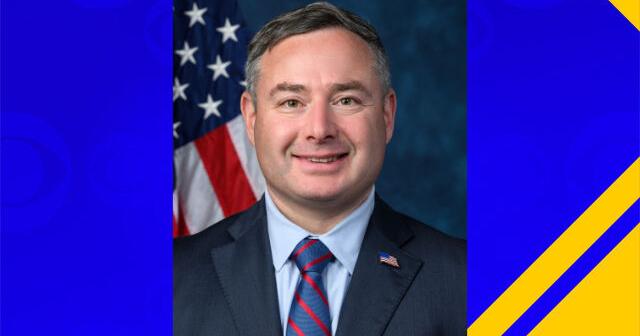
Source: CBS19 News Crime. Casualplayhub News adds summary, context, and editorial framing while linking back to the original report.
Washington D.C. – Representative Eugene Vindman, a Democrat representing Virginia's 5th congressional district, has unveiled two pieces of legislation designed to ease the financial burden of utility costs on households and tighten ethical standards for utility regulators. The bills, introduced in the U.S. House of Representatives, address what Vindman describes as unfair practices that inflate bills and create conflicts of interest.
The first bill, the No Utility Junk Fees Act, aims to eliminate so-called junk fees—specifically, the extra charges customers face when using credit or debit cards to pay their electric bills. Vindman argues that for many families, these fees add an unnecessary layer of cost to an already essential service. He noted that monopoly utility companies leave customers with no alternative providers, making such fees particularly egregious. 'Virginians shouldn't have to pay junk fees to keep the lights on,' Vindman said. 'When you have a monopoly utility company, you have no choice.'
The second bill, the Energy Utility Lobbying Ban Act, targets the revolving door between state utility regulators and the electric companies they once oversaw. Vindman pointed to the perverse incentive that arises when regulators can later profit from lobbying the same agencies they previously managed. The legislation would impose a lifetime ban on lobbying for issues that a regulator directly worked on, and a two-year cooling-off period for broader utility matters. 'That's a perverse incentive,' Vindman remarked.
Vindman has made lowering utility costs a central priority this year, citing feedback from more than 800 constituents who told him rising utility bills are straining household budgets. He linked the issue to broader economic pressures. 'The American people have seen grocery costs increase, fuel costs increase, utility costs increase, and these are becoming an extreme hardship on the American people, on my constituents across Virginia's southern congressional district,' he said.
Despite the intent, the legislation faces a significant obstacle: utility rates in Virginia are regulated at the state level, not by the federal government. For the bills to have any impact, they would need to pass both chambers of Congress and be signed into law. Even then, their enforcement would depend on cooperation with state authorities. Vindman acknowledged the challenge but stressed the need for federal action to set a standard. The proposals have drawn attention from consumer advocacy groups and may spark debate over the proper role of Congress in local utility regulation.
Article commentary
Vindman's twin bills tap into a growing public frustration with rising utility costs and perceived regulatory capture. The No Utility Junk Fees Act directly addresses a pain point for consumers: the extra charges for credit card payments, which can feel like a penalty for using a convenient payment method. While the fees may seem minor, they add up for households already struggling with inflation. By targeting monopoly utilities, Vindman is capitalizing on the lack of competition in many electricity markets, where customers have no alternative if they dislike the fees. The Energy Utility Lobbying Ban Act is more ambitious, aiming to sever the ethical ties between regulators and the industry they oversee. The lifetime ban on direct lobbying and the two-year cooling-off period for broader issues would be strict by current standards. However, enforcement could be tricky, especially given that many state-level regulators are appointed or elected locally. The bill's effectiveness would hinge on federal oversight of state officials, a politically sensitive area. One notable challenge is the jurisdictional divide. Utility regulation is primarily a state matter, and federal bills like these may face pushback from states' rights advocates. Vindman's approach is to use federal law to set a baseline, but even if passed, implementation would require state cooperation or legal challenges. The bills also highlight a broader tension: Congress often steps in when state-level reforms stall, but the patchwork of state regulations makes uniform federal solutions difficult. Politically, Vindman is positioning himself as a consumer champion, which could resonate with voters in his district and beyond. The 800 constituent complaints he cites underscore the real-world impact of rising costs. Yet the bills are unlikely to advance quickly in a divided Congress, where utility industry lobbying is powerful. The proposals may serve more as a rallying point for future debates than as immediate solutions. From an analytical perspective, the junk fee ban is the more straightforward of the two, with clear consumer benefits. The lobbying ban, while ethically sound, raises constitutional questions about the right to work and the limits of federal power over state employees. If enacted, it could face lawsuits from former regulators or industry groups. Nonetheless, Vindman's effort shines a light on issues that often fly under the radar, forcing a conversation about the intersection of utility monopolies, consumer costs, and regulatory ethics.