New Bedford Police Officer Accused of Stalking Ex with Flock License Plate Cameras
Source: NECN Providence. Casualplayhub News adds summary, context, and editorial framing while linking back to the original report.
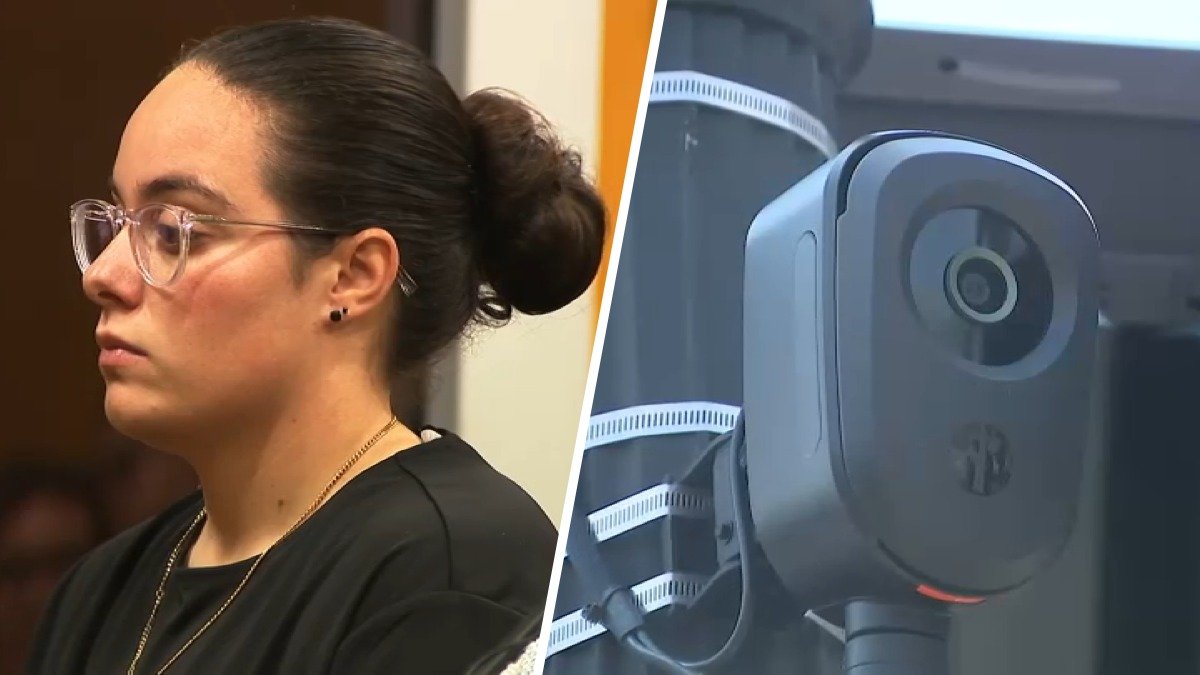
Another Massachusetts police department has halted its use of Flock Safety license plate reader cameras after an officer was accused of exploiting the technology for personal reasons. The New Bedford Police Department placed Officer Emily Pacheco on administrative leave following an internal audit that revealed she allegedly used the system to track her former girlfriend's vehicle. Pacheco stood alongside her attorney at a protective order extension hearing on Thursday, August 13, 2026, in a Massachusetts court. The former girlfriend testified that police informed her Pacheco had been monitoring her movements through Flock cameras, creating a sense of being followed. "It made me feel like I was being stalked," the ex-girlfriend said, according to court testimony. However, Pacheco's attorney argued otherwise. "The only time the car was tracked on Flock cameras was during a routine investigation that the former girlfriend was not involved in," the attorney told the judge. "She was not a target of that investigation, your honor. Her car was a target, based on another operator of that car." This distinction is central to the case, as the defense maintains that the tracking was incidental to legitimate police work. New Bedford Police Chief Jason Thody responded swiftly by suspending the use of all Flock cameras across the department. In a statement, Thody emphasized the need for responsible use: "We need to make sure that if we continue using this technology, we do so responsibly and in a way that serves the public." The internal investigation will examine the extent of the misuse and whether any other officers were involved. Flock Safety cameras use artificial intelligence to scan license plates and alert law enforcement in real time. While security experts tout them as critical tools for solving crimes, privacy advocates warn that they open the door to government overreach and abuse. The New Bedford incident is not isolated; similar concerns have emerged in Framingham, Beverly, and even a lawsuit in California claiming Flock cameras violate the Fourth Amendment. In response to growing scrutiny, Flock Safety announced new safeguards on Thursday. CEO and founder Garrett Langley released a video statement saying, "We knew that abuse was a risk nine years ago, which is why we mandated every customer had to have an audit log." He added that the company recently updated the system to help identify potential misuse in that audit log: "We are finding bad cops and holding them accountable." The New Bedford police union acknowledged the ongoing investigations, stating they are "aware of the ongoing investigations concerning the alleged misuse of law-enforcement technology by members of the New Bedford Police Department." The union stressed that "every officer is entitled to a fair, thorough, and impartial investigative process before conclusions are reached." This case highlights the tension between the benefits of advanced surveillance technology and the risks of abuse. As police departments increasingly adopt AI-powered tools, the need for robust oversight becomes paramount. The New Bedford City Council is expected to receive an update from Chief Thody at their next meeting later this month, which may shape future policies on Flock camera usage. The outcome of the internal investigation and the court proceedings will likely have broader implications for how law enforcement agencies manage and monitor access to sensitive surveillance data.
Article commentary
The New Bedford case underscores a recurring challenge in modern policing: how to harness powerful surveillance tools without infringing on civil liberties. Flock Safety's audit logs represent a step toward accountability, but they rely on proactive monitoring by both the company and police departments. When officers misuse the system, it erodes public trust and raises fundamental questions about who watches the watchers. The police union's call for a fair process is reasonable, but transparency is equally important. This incident, combined with previous cases in Framingham, Beverly, and a California lawsuit challenging Flock cameras under the Fourth Amendment, suggests a systemic issue that may require legislative action or stricter internal policies. The company's new safeguards are a positive development, but they must be accompanied by rigorous enforcement and independent oversight. The fact that the New Bedford Police Department paused all Flock camera usage indicates a recognition that even a single instance of abuse can undermine the entire program's legitimacy. Privacy experts have long warned that license plate readers, while effective for solving crimes, create a pervasive surveillance network that can be exploited for personal vendettas or harassment. The technology's ability to track vehicles across time and location gives officers unprecedented access to civilian movements, and without robust checks, the temptation to misuse it is significant. Flock Safety's CEO Garrett Langley emphasized that the company has always required audit logs, but the New Bedford incident shows that logs alone are insufficient if they are not regularly reviewed or if disciplinary actions are not transparent. The company's updated system aims to flag potential misuse proactively, but it remains to be seen whether this will be enough to deter bad actors. The broader context includes a growing debate over police surveillance in Massachusetts and beyond. In Framingham, residents have expressed concerns about the proliferation of Flock cameras, while Beverly has debated their use. The California lawsuit argues that the cameras violate the Fourth Amendment's protection against unreasonable searches, a claim that could have nationwide implications. For New Bedford, the city council's upcoming update will be critical. Council members may consider stricter oversight measures, such as requiring officer training on privacy rights, limiting access to certain personnel, or mandating regular audits by an independent body. The police union's insistence on a fair process for Officer Pacheco is understandable, but the public also deserves assurance that such misconduct will not be tolerated. Ultimately, the balance between public safety and privacy hinges on the integrity of the systems in place. Technology is only as good as the people who use it, and without robust accountability mechanisms, even the best tools can become instruments of abuse. The New Bedford case serves as a cautionary tale for other departments adopting similar technologies, reminding them that trust is fragile and must be earned through consistent, transparent practices.