Maven: The Back Is the Safest Target for Steel Chair Attacks
Source: Wrestling Inc.. Casualplayhub News adds summary, context, and editorial framing while linking back to the original report.
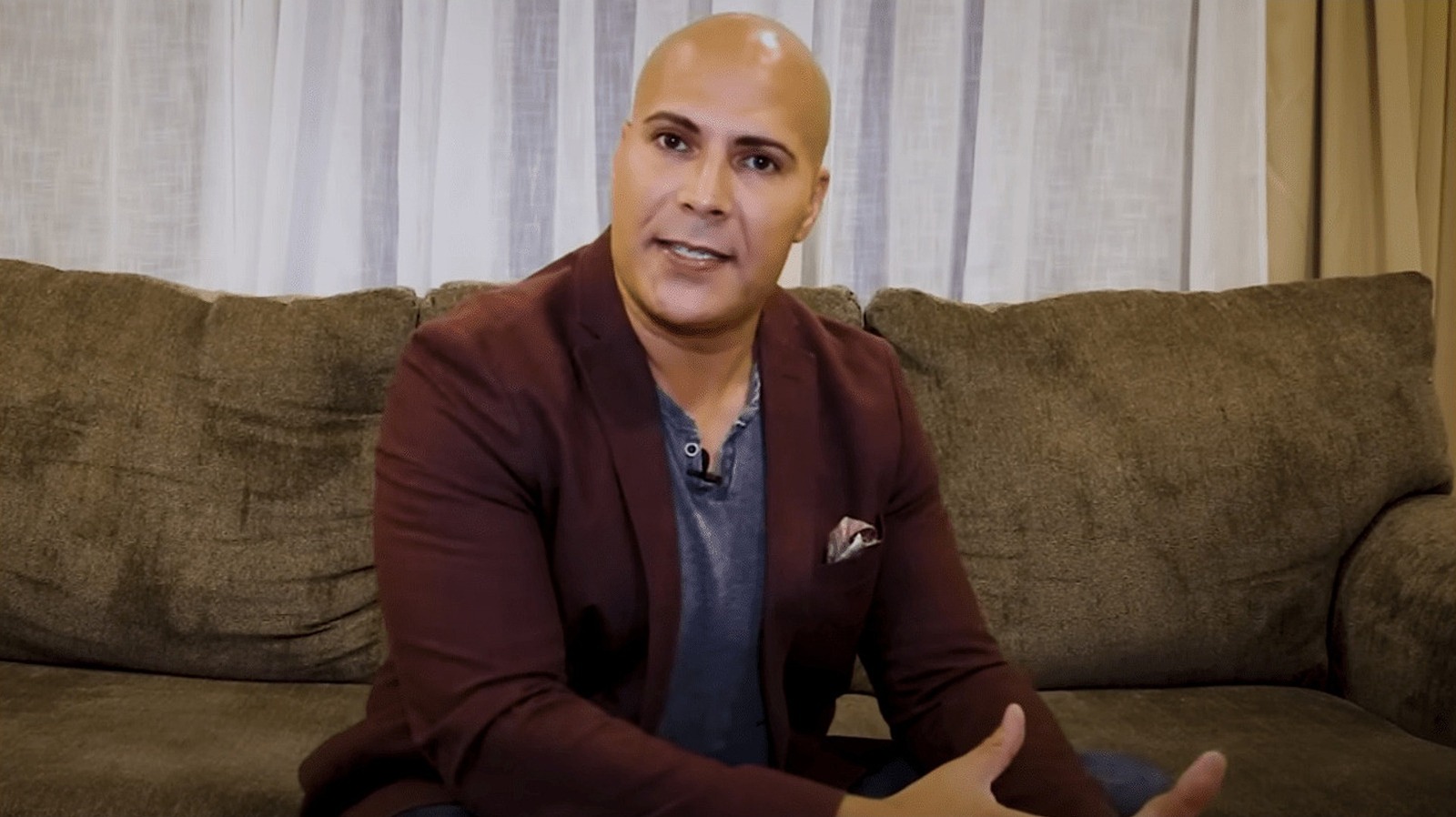
In a sport where pain is often part of the performance, few objects carry as much symbolic weight as the steel chair. Former WWE star Maven Huffman, known simply as Maven during his time in the ring, recently pulled back the curtain on the safest way to absorb one of wrestling’s most iconic strikes. During a new episode of his YouTube channel, Maven analyzed the Brock Lesnar versus Oba Femi Hell in a Cell match from WWE SummerSlam, zeroing in on a moment when Lesnar swung a chair at his opponent. The clip prompted Maven to offer a piece of advice that might surprise fans who assume every chair shot is equally dangerous.
“As devastating as they look, the meaty portion of your back is where you want to take a chair shot,” Maven said. “That’s a good thing, because it saves wrestlers from having to hit people over the head with chairs. They look good and they do the least long-term damage!” His explanation highlights a key evolution in professional wrestling: the shift away from unprotected head shots toward safer, yet still dramatic, strikes to the body. The back, with its thick layers of muscle, can absorb the impact without the same risk of concussion or spinal injury that a head shot carries.
Maven’s authority on the subject comes from hard-earned experience. He took his share of chair shots to the head during his career, most notably in a legendary moment from the 2002 Royal Rumble. During that match, Maven shocked the world by eliminating The Undertaker, a feat that instantly made him a target. Shortly after the elimination, The Undertaker retaliated, delivering a brutal chair shot to Maven’s head. In a later interview on “Insight with Chris Van Vliet,” Maven recalled the feeling of that blow, describing it as a moment that left him dazed but also cemented his place in wrestling history. The contrast between that era and today’s safer practices underscores how much the industry has changed.
Maven’s YouTube channel has become a popular destination for fans seeking honest, unfiltered commentary on wrestling’s inner workings. He often breaks down matches, shares behind-the-scenes stories, and offers opinions on current stars. His analysis of the Lesnar-Femi match is a prime example of how former wrestlers can provide context that enhances the viewing experience. The Hell in a Cell structure itself adds an extra layer of brutality, but Maven’s focus on the chair shot reminds viewers that even in the midst of chaos, performers are constantly thinking about safety.
For those who grew up watching the Attitude Era, when chair shots to the head were routine, Maven’s advice might seem like a revelation. Today, WWE has strict policies against chair shots to the head, and many promotions have followed suit. The change reflects a broader awareness of concussions and chronic traumatic encephalopathy (CTE) in contact sports. Maven’s willingness to discuss these topics openly helps demystify the craft and educate fans about the real human cost behind the spectacle.
If you use any quotes from this article, please credit Maven Huffman’s YouTube channel, and provide a h/t to Wrestling Inc. for the transcription.
Article commentary
Maven’s recent revelation about the safest target for a steel chair shot is more than a piece of trivia; it’s a window into the ongoing transformation of professional wrestling’s physical culture. The industry has long wrestled with the tension between spectacle and safety, and the evolution of the chair shot perfectly encapsulates that struggle. In the 1990s and early 2000s, head shots with steel chairs were a staple of high-stakes matches, often used to signal a turning point or add an aura of danger. Wrestlers like Mick Foley, The Rock, and Stone Cold Steve Austin built some of their most iconic moments around such strikes. But the long-term consequences were devastating. Numerous performers have since spoken out about the toll repeated head trauma took on their health, with some developing cognitive issues or chronic pain. Maven’s emphasis on the back as a target reflects a broader shift that began in the mid-2000s, when WWE introduced a policy banning unprotected chair shots to the head. The change was gradual and not always consistent, but by the 2010s it had become a hard rule. Today, chair shots are almost exclusively delivered to the back, shoulders, or legs. The visual effect remains dramatic—the loud clang, the recoil of the body—but the risk of concussion is significantly reduced. Maven’s explanation that the “meaty portion of your back” absorbs the impact while still looking good on camera highlights the clever choreography that underlies modern wrestling. It’s a reminder that the performers are athletes first, and their longevity depends on smart decision-making. Beyond the physical mechanics, Maven’s commentary also serves a cultural function. By openly discussing these trade secrets, he strips away some of the mystery that surrounds pro wrestling. Fans who once believed every chair shot was a real, unprotected blow now understand the artistry involved. This transparency helps build trust and deepens appreciation for the performers’ skills. At the same time, it raises important questions about the ethics of violence in entertainment. Wrestling is a simulated combat sport, but the injuries are real. The industry’s move toward safer practices is commendable, but the pressure to deliver memorable moments can still lead to risks. Maven’s own career, defined by a stunning upset and a retaliatory chair shot, illustrates how a single moment can define a wrestler’s legacy while also leaving a lasting physical mark. Another layer of Maven’s analysis is its timing. The Hell in a Cell match between Brock Lesnar and Oba Femi at SummerSlam was a brutal, closed-environment encounter that pushed both men to their limits. By focusing on the chair shot, Maven draws attention to a small but telling detail that many fans might overlook. It’s a reminder that even in the most chaotic matches, wrestlers are constantly communicating with each other and adjusting their movements to ensure safety. The back, as Maven notes, is not just a safe target—it’s a strategic one. A well-placed chair shot to the back can sell the idea of damage without compromising the recipient’s ability to continue the match. In a broader sense, Maven’s YouTube channel represents a new wave of wrestler-driven content that bypasses traditional media. Former stars now have direct access to audiences, allowing them to share their perspectives without the filter of corporate PR. This democratization of wrestling commentary enriches the fan experience but also requires viewers to critically evaluate what they hear. Maven’s credibility stems from his in-ring experience, but his opinions are his own. Still, when he talks about the physical realities of chair shots, he speaks from a place of authority. The industry is better for having voices like his, willing to explain the craft while acknowledging its costs. Ultimately, Maven’s revelation about the back as the ideal target is a small but meaningful piece of the larger puzzle of wrestling safety. It signals how far the industry has come from the days of unprotected head shots, and it hints at the continued evolution of in-ring psychology. As wrestling continues to adapt to new medical knowledge and audience expectations, tips like these will become increasingly valuable. They remind us that behind every piledriver, every suplex, and every chair shot, there is a human being making a calculated decision to balance entertainment with self-preservation.