Barry Morphew Jailed in Boulder on Alamosa County Warrant
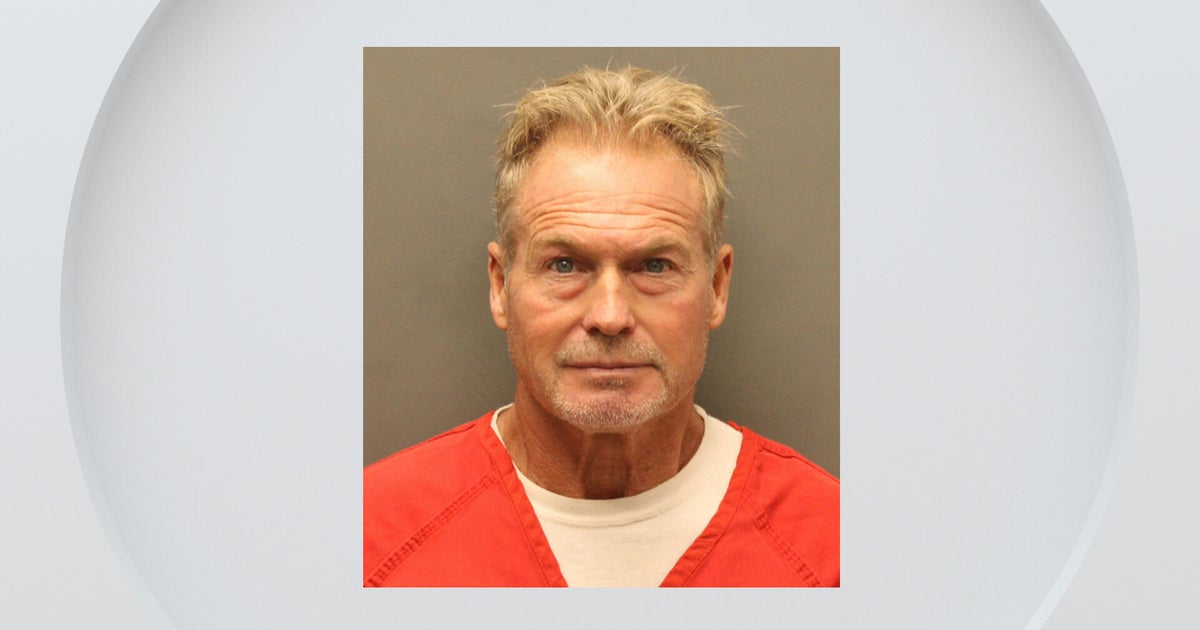
Source: CBS News Crime. Casualplayhub News adds summary, context, and editorial framing while linking back to the original report.
Barry Morphew, a figure at the center of one of Colorado's most closely watched criminal cases, was arrested late Thursday night and booked into the Boulder County Jail. According to a custody record reviewed by CBS News, Morphew was taken into custody at 9:11 p.m. on September 3 and was listed as still in custody as of 11:11 p.m. that evening.
The arrest was carried out on an outstanding warrant from Alamosa County, a rural area in southern Colorado, several hundred miles from Boulder. The Boulder County Sheriff's Office confirmed that the warrant was issued for failure to appear, though they did not provide additional details about the underlying case. The Alamosa County Sheriff's Office has not yet released information about the original charge or the circumstances that led to the warrant.
Morphew, 53, first gained national attention in 2020 following the disappearance of his wife, Suzanne Morphew, from their home in Poncha Springs, Colorado. He was charged with first-degree murder and other counts in 2021, but the case took a dramatic turn in April 2022 when prosecutors moved to dismiss the charges, citing a lack of evidence that could convince a jury beyond a reasonable doubt. The dismissal was without prejudice, meaning charges could be refiled if new evidence emerges. Since then, Morphew has maintained that he is innocent and has been living relatively quietly, though the case remains open under investigation.
Thursday's arrest raises new questions about Morphew's legal troubles. The warrant from Alamosa County suggests a separate legal matter, unrelated to the homicide case. Failure-to-appear warrants are typically issued when a person fails to show up for a scheduled court date or fails to comply with a court order. The specific nature of the underlying offense in Alamosa County has not been made public, and it is not clear whether Morphew was aware of the warrant before his arrest.
Morphew was booked at the Boulder County Jail, a facility that has held him before during his murder case. He was held pending a court appearance or transfer to Alamosa County, where the warrant originated. Legal experts say that defendants facing failure-to-appear warrants are often released after posting bond or appearing before a judge, but the exact timeline depends on the severity of the original charge and the court's schedule.
The arrest has reignited public interest in Morphew's story, which has been the subject of documentaries, news specials, and true crime podcasts. The disappearance of Suzanne Morphew, a mother of two, remains unsolved, and the case continues to frustrate law enforcement and the community. For now, Morphew's latest arrest adds another layer of complexity to an already tangled legal saga.
As of Friday morning, no further details were available about the specific nature of the Alamosa County warrant. The Boulder County Sheriff's Office declined to comment beyond confirming the arrest, and representatives for Morphew's legal team have not yet responded to requests for comment. The case is expected to proceed in court in the coming days.
Article commentary
The arrest of Barry Morphew on an Alamosa County warrant for failure to appear is a surprising twist in a story that has already seen many dramatic turns. While the specific details of the underlying warrant remain unclear, the event underscores the fragmented nature of Morphew's legal life since his murder charges were dropped. It also raises questions about the broader context of his interactions with the justice system. One of the most striking aspects of this development is its timing. For nearly two and a half years, Morphew has existed in a legal limbo—the murder case against him was dismissed, but the investigation into Suzanne's disappearance remains open. This new arrest, though minor in comparison to the homicide allegations, brings him back into the public eye and reminds observers that his legal battles are far from over. The choice of a failure-to-appear warrant suggests a routine procedural issue, but it still carries consequences: jail time, legal fees, and potential complications for his ongoing defense in any future proceedings. From a journalistic perspective, the lack of transparency around the Alamosa County warrant is notable. Typically, such warrants are matters of public record, but the details have not been released. This could be due to the ongoing investigation, privacy concerns, or simply a delay in documentation. The absence of information fuels speculation, which is inevitable in a case that has already generated intense media scrutiny. Observers will be watching closely to see whether the underlying offense is minor or if it hints at a more significant pattern of behavior. Legally, the arrest does not directly affect the murder case, which remains dismissed without prejudice. However, it could influence public perception. Supporters of Morphew may view this as harassment or a continuation of what they see as an overzealous prosecution, while critics may see it as evidence of a troubled individual. The reality is likely more mundane: a missed court date for a separate matter, possibly a traffic violation or a minor misdemeanor. But in the context of a high-profile case, even mundane events are magnified. Another layer to consider is the jurisdictional complexity. The warrant originated in Alamosa County, which is about 150 miles from Boulder. The arrest was made in Boulder County, where Morphew apparently resides or was visiting. Cross-county warrants are common, but they often indicate a lack of coordination or a failure to resolve the matter locally. The fact that Morphew was arrested on a warrant from a different county suggests that he may have been unaware of the outstanding warrant, or that he failed to address it proactively. For the families involved, this arrest is a fresh source of emotional strain. Suzanne Morphew's family has been vocal in their belief that Barry is responsible for her death, and each new legal development renews their hope for justice. For Morphew's family, including his daughters, the arrest is another public ordeal. The case has already taken a heavy toll on all parties, and this latest chapter only deepens the trauma. Moving forward, the key question is whether this warrant will lead to further revelations. In some cases, failure-to-appear warrants are associated with more serious underlying charges, such as probation violations or new offenses. But without confirmation, it is premature to draw conclusions. The legal process will unfold in the coming weeks, and the public will likely learn more when Morphew appears in court. In the end, this arrest is a reminder that the Barry Morphew story is not over. The murder case may be dormant, but it is not closed. And as long as Suzanne Morphew's disappearance remains unresolved, the spotlight will continue to follow her husband. Whether this latest incident is a footnote or a turning point remains to be seen.