Motorcyclist Killed in Texarkana Police Pursuit; Driver at Large
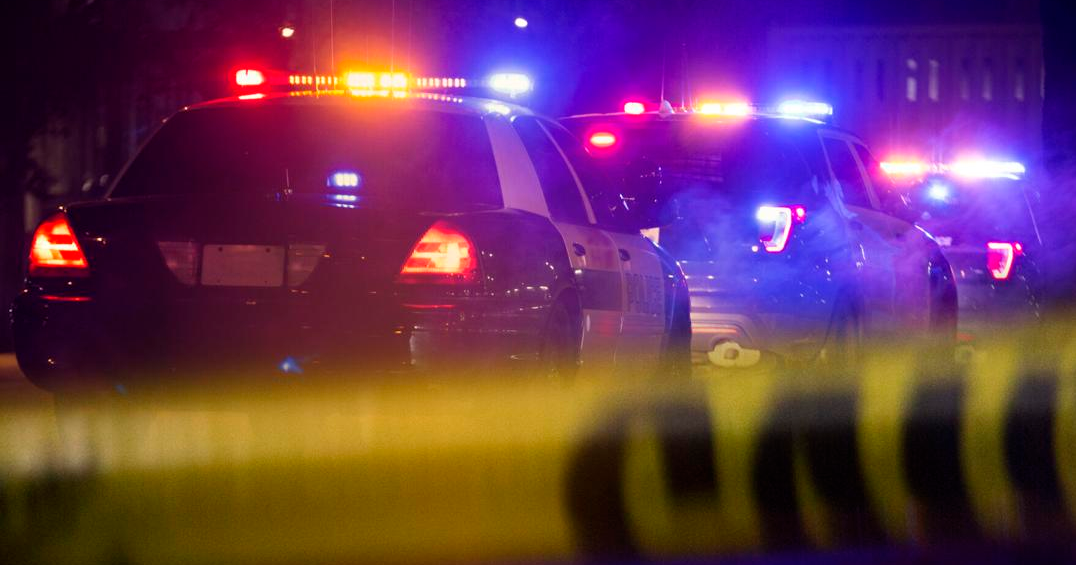
Source: KTBS Crime. Casualplayhub News adds summary, context, and editorial framing while linking back to the original report.
A routine traffic stop turned deadly Wednesday night in Texarkana, Arkansas, when a motorist fled from police, triggering a chase that left a motorcyclist dead and the suspect still on the run.
Around 9:30 p.m., a Texarkana Arkansas Police Department officer spotted a vehicle idling at the intersection of North State Line Avenue and Texas Boulevard. Inside, the driver appeared unconscious, slumped behind the wheel with the engine running and the car still in drive. The vehicle’s brake lights were on, indicating the driver’s foot was pressing the pedal. Concerned for the man’s safety, the officer approached and tried to rouse him, asking him to shift the car into park.
Instead of complying, the driver snapped awake, put the vehicle in motion, and sped away. The officer gave chase as the car tore through a nearby CVS parking lot before heading north on North State Line Avenue. The pursuit lasted only minutes but ended in tragedy.
At the intersection of Realtor Avenue and North State Line Avenue, the fleeing driver slammed into a motorcycle. The motorcyclist, whose identity has not yet been released, was thrown from the bike and suffered fatal injuries. He died at the scene.
After the collision, the suspect’s car careened out of control, crashing near St. Michael Drive. Flames erupted from the wreckage, and by the time officers arrived, the vehicle was fully engulfed in fire. But the driver had already slipped away, fleeing on foot into the night.
Fire crews extinguished the blaze, but the car was completely destroyed. Investigators are now working to identify the driver and build a case. The Arkansas State Police has taken the lead on the crash investigation and is preparing arrest warrants. Meanwhile, the Texarkana Arkansas Police Department Criminal Investigation Division is examining the events leading up to the pursuit, including the officer’s initial encounter.
Officers from the Texarkana Texas Police Department provided traffic control at the scene, helping to secure the area and manage the rush of emergency vehicles. No other injuries have been reported.
Authorities are asking anyone with information about the driver or the incident to contact the Texarkana Arkansas Police Department at 903-798-3130. The search for the suspect remains active, and police are urging the public to come forward with any tips that could lead to an arrest.
The deadly outcome has reignited conversations about the risks of police pursuits, particularly in urban areas where innocent bystanders and other motorists are vulnerable. For now, the focus remains on finding the driver and bringing closure to the victim’s family.
Article commentary
The fatal crash that unfolded Wednesday night in Texarkana underscores a persistent dilemma in American policing: balancing the imperative to apprehend suspects against the inherent dangers of vehicle pursuits. The officer’s initial action—approaching an unconscious driver in a running car—was reasonable and arguably necessary. But the moment the driver fled, the situation escalated into a high-speed chase that ended with a motorcyclist dead. Police pursuit policies vary widely across departments, but many have tightened guidelines in recent years after studies showed that pursuits often lead to injuries or deaths among uninvolved third parties. According to data from the National Highway Traffic Safety Administration, roughly one person dies every day in the United States as a result of police pursuits, and a significant portion of those fatalities are not the fleeing suspects themselves. The Texarkana case fits this tragic pattern: the motorcyclist was simply in the wrong place at the wrong time. Critics argue that officers should rely more on alternative methods—such as surveillance cameras, helicopter tracking, or license plate readers—rather than initiating a chase for non-violent offenses. In this instance, the initial crime was unclear: the driver was unconscious behind the wheel, which could indicate a medical emergency or intoxication. The decision to pursue may have been justified under departmental policy, but the outcome raises questions about whether the risk was proportionate. The driver’s escape on foot adds another layer of complexity. Fleeing a crash scene, especially after a fatality, carries severe legal consequences. The suspect likely faces charges of vehicular homicide, fleeing law enforcement, and possibly leaving the scene of an accident. The fact that he abandoned his burning vehicle and disappeared suggests a desperate attempt to avoid accountability. From a broader perspective, this incident highlights the challenges of policing in border communities like Texarkana, where state lines can complicate jurisdiction. The collaboration between the Arkansas and Texas departments is standard, but the suspect’s ability to cross state lines—if he does—could slow the investigation. The Arkansas State Police’s involvement signals the seriousness of the case, and the pursuit of arrest warrants indicates that authorities have enough evidence to name a suspect. Ultimately, the community must grapple with the loss of a life and the ongoing search for a dangerous individual. The officer involved will likely face scrutiny, and the police department will need to review its pursuit protocols. While no policy can eliminate all risks, the goal should be to minimize harm to innocent bystanders while still maintaining public safety. For now, the focus is on finding the driver and delivering justice for the motorcyclist who never made it home.