Two Arraigned in 2024 Lexington Homicide
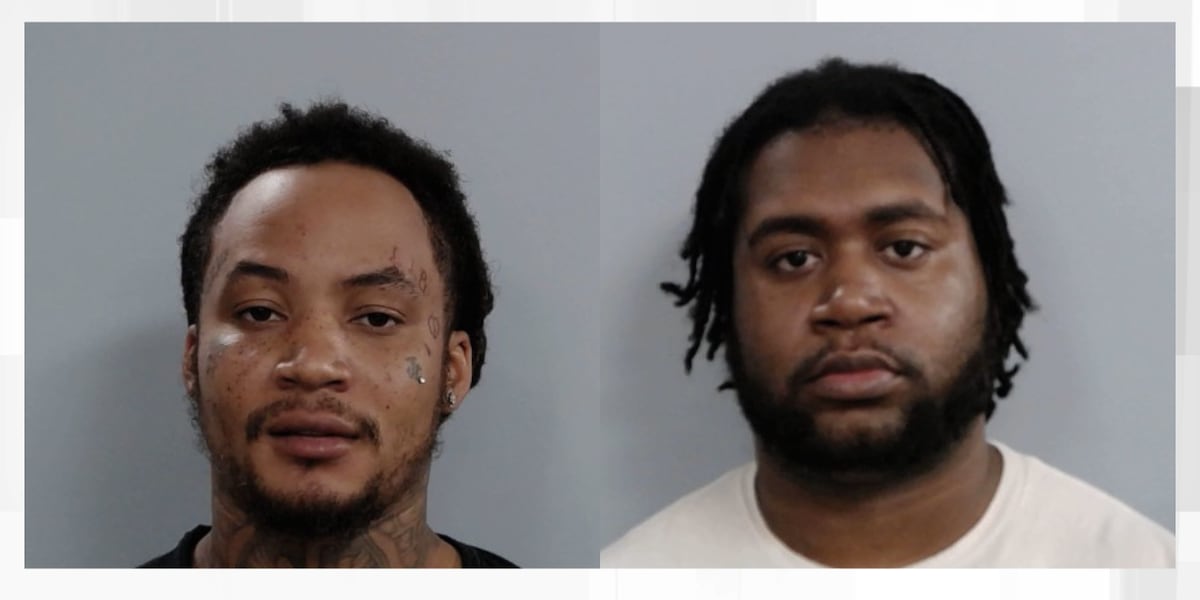
Source: WKYT Crime. Casualplayhub News adds summary, context, and editorial framing while linking back to the original report.
Ad eligibility review: sensitive-topic
Two men charged in the 2024 fatal shooting of a Lexington man faced a Fayette County judge on Tuesday for their formal arraignment.
Jzante Waide, 28, and Quavon Winslow, 30, stood before the court and entered pleas of not guilty to all charges. Their next court appearance is set for Thursday, when a preliminary hearing will determine whether there is enough evidence for the case to proceed.
Prosecutors allege that Waide and Winslow were responsible for the shooting death of 60-year-old Jose Salazar. The incident occurred in 2024 in Lexington, though authorities have not released additional details about the circumstances leading up to the killing.
Both men are charged with murder, two counts of first-degree wanton endangerment, and one count of possession of a handgun by a convicted felon. The wanton endangerment counts suggest that the shooting endangered more than just the victim, likely placing others in the vicinity at risk. The felon-in-possession charge indicates that at least one of the defendants had a prior felony conviction at the time of the alleged offense.
Waide and Winslow were taken into custody earlier this year and have remained held without bond. Their defense attorneys did not offer comments outside the courtroom on Tuesday.
The arraignment was brief, as is typical in Kentucky court procedure. Defendants are informed of the charges against them, advised of their rights, and given an opportunity to enter a plea. A not guilty plea is standard and allows the defense to challenge the prosecution's evidence during later proceedings.
Thursday's preliminary hearing will be a critical juncture. The prosecution must present enough factual basis to convince the judge that probable cause exists. If the judge finds probable cause, the case will move to a grand jury for possible indictment. If not, the charges could be dismissed, though that outcome is rare in homicide cases.
This case has stirred concern among Lexington residents already grappling with a rise in gun violence. According to local crime statistics, the city has seen a fluctuating number of homicides in recent years, with many cases remaining unsolved for extended periods. The swift arrest and arraignment of Waide and Winslow signal that investigators have moved quickly to build a case.
The victim, Jose Salazar, was described by neighbors as a quiet man who kept to himself. His family has not made public statements, but court records indicate they have been notified of all proceedings.
Legal experts following the case note that the multiple charges — especially the wanton endangerment counts — could complicate the defense strategy. The possession of a handgun by a convicted felon charge carries its own mandatory minimum sentence under state law, adding further stakes to the trial.
As the case progresses, both sides will begin the process of discovery, exchanging evidence and witness lists. The preliminary hearing on Thursday will offer the first glimpse of the strength of the prosecution's case.
Waide and Winslow remain in custody at the Fayette County Detention Center. Their attorneys are expected to argue for reasonable bond at the preliminary hearing, though given the severity of the charges, release is not guaranteed.
Article commentary
The arraignment of Jzante Waide and Quavon Winslow for the 2024 murder of Jose Salazar marks the formal beginning of a criminal process that will test both the evidence and the legal system's ability to deliver justice. While not guilty pleas are procedural, they set the stage for a contentious battle ahead. This case underscores a persistent issue in many American cities: gun violence fueled by repeat offenders. The charge of possession of a handgun by a convicted felon suggests that at least one of the defendants had a prior criminal record, raising questions about how someone with a felony conviction obtained a firearm. Kentucky's laws on gun possession for felons are strict, yet illegal firearms remain accessible. This case may reignite debates about enforcement and sentencing. The two counts of first-degree wanton endangerment add nuance. These charges imply that the shooting endangered other people beyond the intended target. In a residential area, stray bullets could have struck bystanders. The prosecution will likely argue that the defendants acted with utter disregard for human life, a factor that could influence sentencing if a conviction is obtained. From a legal perspective, the next 48 hours are pivotal. The preliminary hearing on Thursday will force the state to show its hand. If the judge finds probable cause, the case moves to a grand jury. If not, the defendants could walk free — though that is improbable in a homicide case with multiple charges. Observers should note the speed of proceedings. The murder occurred in 2024, and the arraignment is taking place within what appears to be a relatively short timeframe. This suggests that law enforcement gathered evidence quickly and secured arrests before the trail went cold. Effective police work, combined with perhaps a tip or witness cooperation, likely played a role. However, speed does not guarantee a conviction. The defense will scrutinize every piece of evidence: ballistics, forensic analysis, witness testimony, and potential procedural errors. The fact that both defendants have entered not guilty pleas signals they intend to fight the charges vigorously. Community impact is another layer. Lexington has struggled with gun violence, and the homicide of a 60-year-old man draws particular sympathy. Residents may feel both relief that suspects were charged and anxiety about the underlying conditions that lead to such violence — poverty, lack of opportunity, and easy access to firearms. This case also highlights the human cost. Jose Salazar was not just a statistic; he was a person with a life. His family now faces years of court appearances before closure is reached. Meanwhile, the defendants, if convicted, could face decades behind bars. In the end, the judiciary will weigh facts against law. The arraignment is only the first step. What happens Thursday will set the tone for a case that will likely continue into late 2025 or beyond. The pursuit of justice requires patience, but for the community, the hope is that this process leads to accountability and, eventually, a safer city.