Reno Police Release Bodycam of Knife Arrest Without Lethal Force
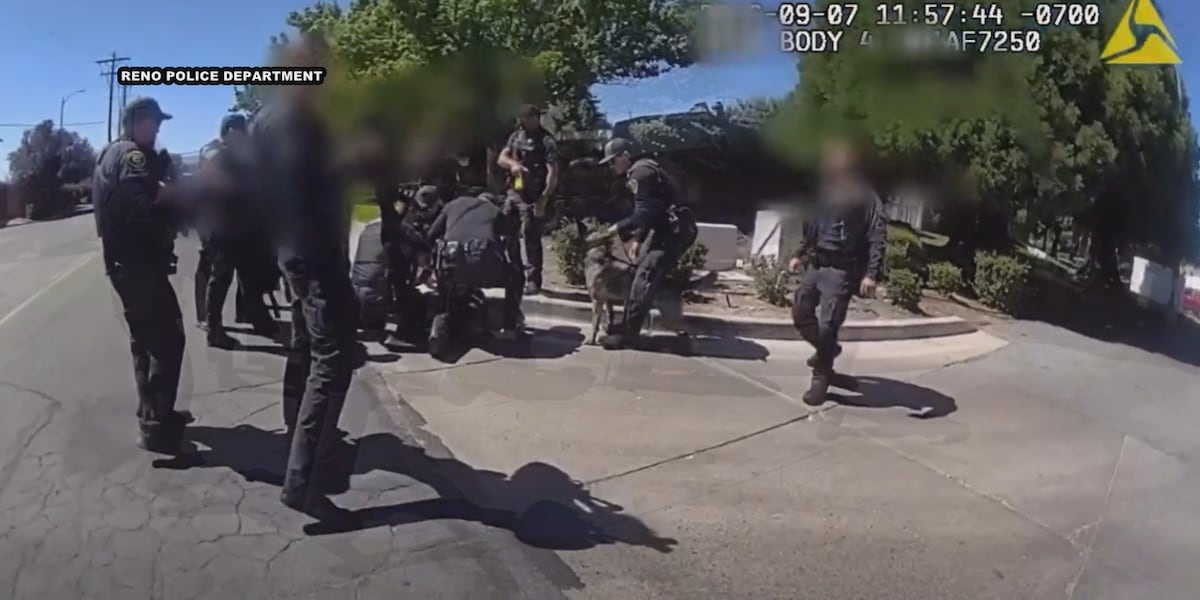
Source: KOLO8 Crime. Casualplayhub News adds summary, context, and editorial framing while linking back to the original report.
Ad eligibility review: sensitive-topic
The Reno Police Department released body camera footage this week capturing a tense encounter with an individual armed with a knife—an incident that ended with an arrest rather than the use of deadly force. The video offers a glimpse into how officers can manage volatile situations without resorting to their firearms, a stark contrast to two other police shootings that have marked the department's year.
In February, 27-year-old Michael Johnson was fatally shot on Wells Avenue after charging at an officer with a large metal tow-style chain. Then in August, body camera footage showed police shooting and killing 22-year-old Anthony Porter along Interstate 80, after he allegedly pointed a handgun at officers. Both deaths raised questions about the use of force by Reno police. But the recently released footage tells a different story.
The video, made public on Wednesday, shows officers responding to a call about a person armed with a knife. Rather than immediately escalating to lethal force, the officers engaged in a back-and-forth dialogue. Hunter Mercurio, the department's public information officer, pointed to that exchange as a model of de-escalation. “You can hear in that video, the back and forth, start taking those pauses, having that empathy without jeopardizing your officer’s safety,” Mercurio said.
Mercurio emphasized that while officers always aim to avoid deadly force, they must remain prepared to use it when necessary. “If there’s somebody armed with a knife, or a gun, or a deadly weapon in general, we always have to have a lethal option,” he explained. The key, he said, is time. “When we can take that time, our discretionary time to slow things down, keep the situation safe and start creating that dialogue and having those conversations, that gives us more time to get more resources to the scene, less lethal like the 40 millimeter sponge rounds, taser, canine, having those less lethal options are really great, but we need that time to get those resources there so that we can deploy them appropriately.”
In this particular case, the officers successfully talked the individual into surrendering, and the person was taken into custody without injury. The department stressed that the outcome was not a sign of officers “going soft,” but rather a demonstration of having more tools in the toolbox beyond just a gun.
Mercurio also took the opportunity to address mental health, noting that many such encounters involve individuals in crisis. “If you’re struggling, start to call somebody, talk about what’s going on in your mind. Sometimes talking about those things takes the power out of it, and sometimes somebody can relate to you and just help build those relationships, those connections. We want to continue to see our community get healthier and healthier,” he said.
Reno police have faced heightened scrutiny over use-of-force incidents this year, and this video release appears intended to show that de-escalation is both possible and practiced. The department encourages anyone experiencing a mental health crisis to call or text 988, the Suicide and Crisis Lifeline, for support.
Article commentary
The release of this body camera footage by the Reno Police Department serves as more than just a routine disclosure; it is a deliberate attempt to reshape public perception following two high-profile fatal shootings earlier this year. The department is walking a careful line: acknowledging the reality that lethal force is sometimes unavoidable while simultaneously showcasing a scenario where words, not bullets, resolved the situation. The timing of the release—after the February death of Michael Johnson and the August shooting of Anthony Porter—is likely not coincidental. Law enforcement agencies across the country have faced intense scrutiny over use-of-force incidents, and body camera footage has become a double-edged sword, sometimes confirming public fears and other times offering a clearer, more nuanced picture. What stands out in this incident is the emphasis on time as a strategic resource. Hunter Mercurio’s comments highlight a tactical shift that many police departments are embracing: slowing the pace of a confrontation to allow for the arrival of less-lethal options and for dialogue to take hold. This approach requires patience, training, and a willingness to accept a higher level of risk in the short term to avoid a fatal outcome. The officers’ ability to de-escalate without resorting to deadly force is commendable, but it also raises questions about consistency. Why did this situation end peacefully while others did not? The answer likely lies in a combination of factors: the nature of the threat, the individual’s behavior, the officers’ training, and available resources. Mercurio acknowledged that a lethal option must always be on the table, which underscores the inherent tension in policing: officers are trained to protect themselves and the public, but any use of force can be fatal. From a community perspective, this video may offer some reassurance that de-escalation is not merely an abstract policy but a practice that officers can and do execute. However, it also highlights the broader crisis of mental health and policing. Many encounters with armed individuals involve people in emotional distress, and the availability of crisis intervention teams or mental health professionals at the scene could further reduce the need for police to be the primary responders. The mention of the 988 Suicide and Crisis Lifeline is a step in the right direction, but systemic solutions require more than hotline numbers. The Reno Police Department’s willingness to share this footage transparently is a positive move, but the real test will be whether such outcomes become the norm rather than the exception.