Driver Charged in Fatal Framingham Hit-and-Run
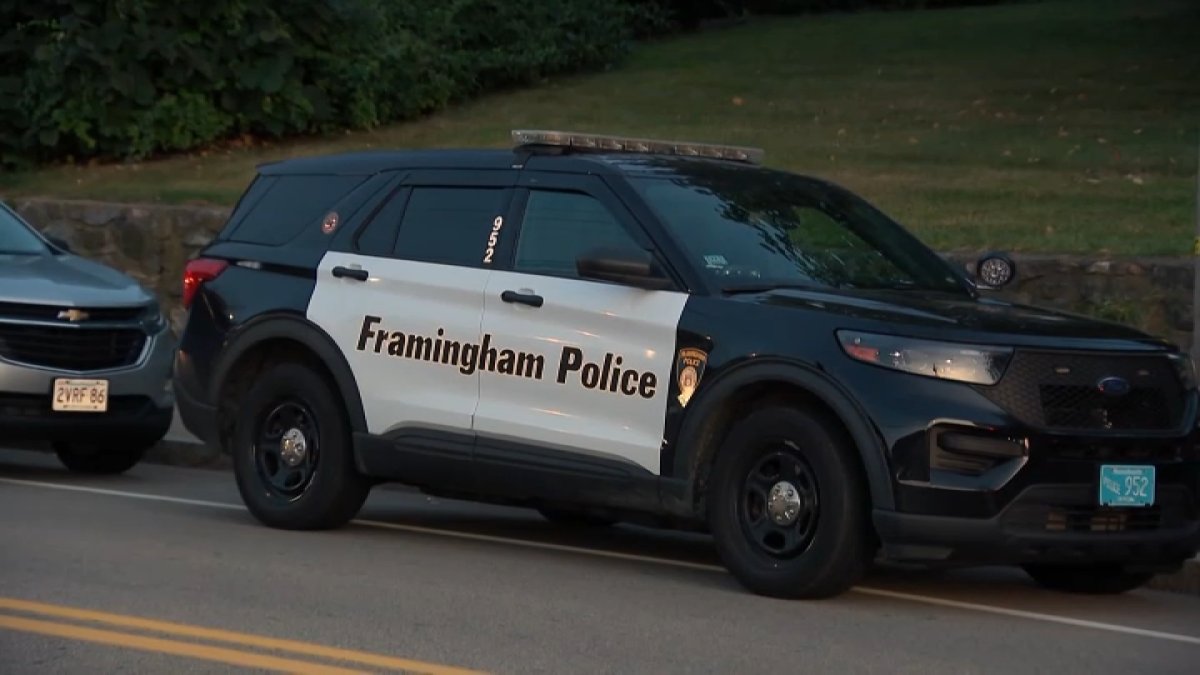
Source: NECN Providence. Casualplayhub News adds summary, context, and editorial framing while linking back to the original report.
A quiet Monday night on Hollis Street in Framingham, Massachusetts, turned tragic when a pickup truck struck a pedestrian, leaving the victim fatally injured and the driver attempting to flee. The incident occurred around 10:30 p.m. on November 13, 2023, according to the Middlesex County District Attorney's Office and Framingham police.
The victim, 62-year-old Philip Bligh, was found critically wounded at the scene. Emergency responders transported him to Newton Wellesley Hospital, where he was pronounced dead shortly after arrival. The driver of the pickup truck, later identified as Ronei DeOliveira, 44, of Framingham, did not remain at the scene. Instead, he reportedly abandoned his vehicle and fled on foot.
However, DeOliveira did not stay hidden for long. Authorities said he returned to the area near the crash site, where officers located him. When they made contact, they alleged that he smelled strongly of alcohol. This observation became a key element in the case, leading to charges of operating under the influence.
On Tuesday, DeOliveira was arraigned in Framingham District Court on three charges: operating a motor vehicle under the influence of alcohol, negligent operation of a motor vehicle, and leaving the scene of a crash resulting in personal injury or death. Prosecutors requested a significant bail amount to ensure his appearance in court and to protect public safety. Superior Court Judge set bail at $250,000. As part of his release conditions, DeOliveira must submit to GPS monitoring and surrender his passport. He is also prohibited from consuming any alcohol, reflecting the nature of the case.
DeOliveira is due back in court on September 30. No attorney information was immediately available for comment.
The incident has shaken the Framingham community, especially given the alleged attempt to flee. Hit-and-run accidents carry severe penalties under Massachusetts law, particularly when they result in death. The charge of leaving the scene of a crash causing death can lead to substantial prison time, while the OUI charge adds another layer of legal gravity.
Framingham police continue to investigate the circumstances surrounding the crash. They are reviewing any available surveillance footage and witness reports to reconstruct the events leading up to the collision. The exact cause of the crash remains under investigation, but the involvement of alcohol is a central focus.
Philip Bligh’s family has been notified of his death. He was a longtime resident of Framingham. Community members expressed condolences and called for justice. The case highlights the ongoing issue of impaired driving and the devastating consequences it can have on innocent lives and families.
Meanwhile, DeOliveira faces a lengthy legal process. His next court appearance in September will likely involve further discussion of evidence and potential plea negotiations. The bail conditions suggest that authorities consider him a flight risk, given the severity of the charges and the initial attempt to flee.
This tragedy serves as a grim reminder of the dangers on the road, particularly when alcohol is involved. Massachusetts has strict laws against drunk driving, yet cases like this persist. The justice system will now determine the outcome, but for the family of Philip Bligh, no verdict can undo the loss.
Article commentary
The fatal hit-and-run in Framingham underscores a persistent and troubling pattern in traffic fatalities: drivers fleeing the scene after causing harm. While the alleged involvement of alcohol in this case adds a layer of irresponsibility, the decision to leave a dying victim on the roadside represents a profound moral failure. The charges filed against Ronei DeOliveira — operating under the influence, negligent operation, and leaving the scene — reflect the legal system’s attempt to address multiple dimensions of wrongdoing. From a legal perspective, the bail conditions imposed are notably strict. The $250,000 bail, combined with GPS monitoring, passport surrender, and a no-alcohol order, signal that the court views DeOliveira as both a flight risk and a potential danger to the community. This is consistent with how Massachusetts courts handle cases involving death by motor vehicle, especially when the defendant initially evaded law enforcement. The fact that DeOliveira returned to the scene may be seen as mitigating — perhaps indicating remorse or a second thought — but the damage had already been done. The case also raises questions about the effectiveness of current drunk driving prevention measures. Despite widespread campaigns and strict laws, alcohol-related crashes remain a major cause of traffic deaths in the United States. According to the National Highway Traffic Safety Administration, nearly 30% of all traffic fatalities involve alcohol-impaired drivers. Massachusetts has a zero-tolerance policy for drivers under 21 and strict penalties for those over 21, yet enforcement remains a challenge. The tragedy in Framingham is a stark reminder that education alone is not enough; consistent police presence, sobriety checkpoints, and swift legal consequences are necessary. Another point worth considering is the victim’s perspective. Philip Bligh, a 62-year-old Framingham resident, was simply walking at night when his life was cut short. Pedestrian safety is a growing concern in suburban areas like Framingham, where sidewalks and street lighting may be inadequate. While this incident appears to be a direct result of driver impairment and negligence, it also highlights the need for better infrastructure to protect pedestrians. Looking ahead, the court proceedings will provide more details about what exactly happened on Hollis Street. If DeOliveira is convicted, he could face decades in prison. But for the Bligh family, no sentence will bring closure. Cases like this also spark broader conversations about restorative justice and the need for drivers to take responsibility for their actions, even in the most stressful moments. Ultimately, the Framingham hit-and-run is a preventable tragedy. It calls for renewed attention to drunk driving enforcement and a cultural shift that prioritizes the sanctity of life over the instinct to escape consequences. The legal system will do its part, but the community must also reflect on how to prevent such losses in the future.