Two Flags at Logan Airport Still Fly 25 Years After 9/11
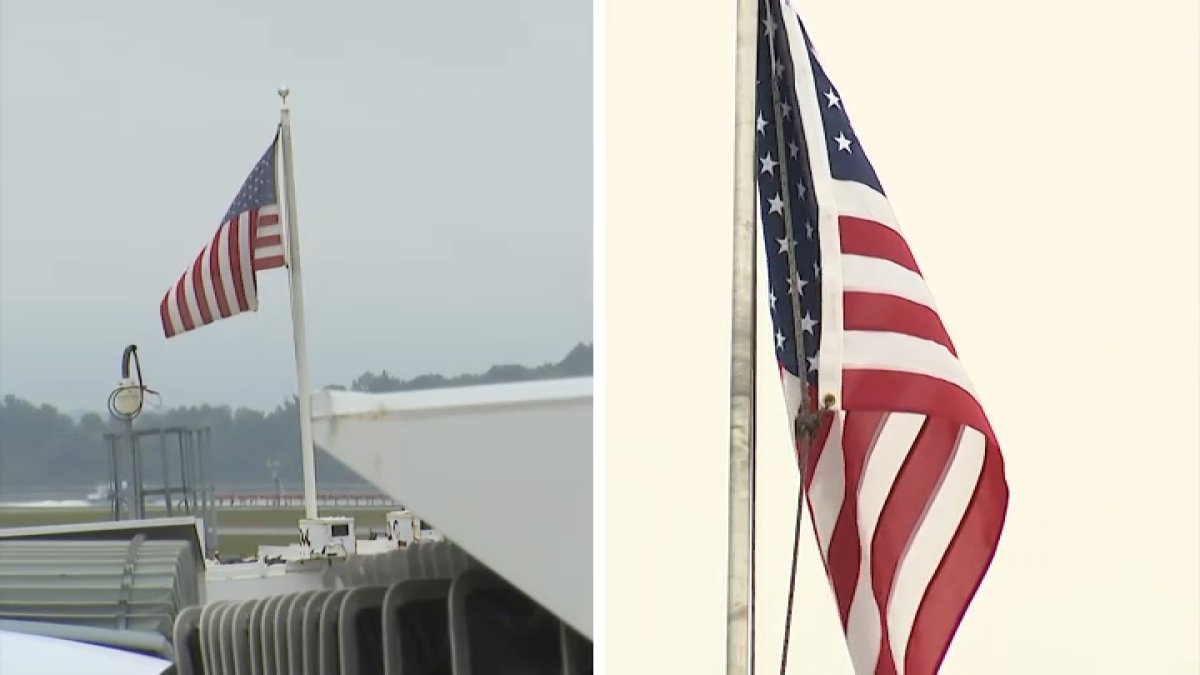
Source: NECN Providence. Casualplayhub News adds summary, context, and editorial framing while linking back to the original report.
Ad eligibility review: sensitive-topic
Most travelers pulling into their gate at Boston Logan International Airport probably never notice them. But perched on top of the jet bridges at Gates B32 and C19, two American flags have been flying for a quarter of a century. They mark the spots where, on September 11, 2001, two hijacked flights departed, forever changing the world.
Gate B32 was the last point of contact for American Airlines Flight 11, which crashed into the North Tower of the World Trade Center. Gate C19 was the departure gate for United Airlines Flight 175, which struck the South Tower. The flags were raised shortly after the attacks, a quiet tribute that has become a lasting fixture of the airport landscape.
Dave Ishihara, deputy executive director of aviation for Massport, started working at Logan not long after 9/11. He recalls the deep emotional weight carried by these gates. "This is where American Flight 11 departed on Sept. 11, 2001," he says, standing near the tarmac. The flags, he explains, are more than symbols. They are a daily connection to the tragedy and the resilience that followed.
For the airline crew members, pilots, and ground crews who move through these areas, the flags are a constant presence. "It's important to them because it's a way to remember what happened. It still affects people in personal ways," Ishihara notes. Over the years, the flags have also taken on an educational role. New ground handlers often ask about the flags, sparking conversations about that day. "They get an education," he says. "They're part of the aviation industry now, and it's a way for us never to forget."
The commitment to maintaining these flags is a visible sign of respect. If an employee spots a tear or fray, it is immediately reported, and the flag is replaced without delay. "It's a level of respect that I feel is a little bit uncommon, but is common here," Ishihara observes.
Friday marks the 25th anniversary of the 2001 terrorist attacks. In nearby Abington, a ceremony honored those killed, including a resident. Across New York City, the grief of 9/11 lands differently a quarter-century later. At Logan, a retired flight attendant from Weymouth is making a final push to honor the heroes of that devastating day.
Ishihara reflects on the passage of time. "It's hard to believe it's been 25 years," he says. But for those working at Logan, the flags ensure the memory is never distant. "When we're out here working on the ramp and driving by airside, it's something that you can't not see if you're part of the aviation industry. See it every day, and you remember every day."
The flags may go unnoticed by passengers arriving or departing, but for the people who work beneath them, they are a silent, steadfast memorial. They teach, they remind, and they honor. Twenty-five years on, the two flags still wave at Logan Airport, as enduring as the memory they represent.
Article commentary
The two American flags at Logan Airport's Gates B32 and C19 serve as a powerful but understated memorial. Unlike formal monuments or museum exhibits, these flags are integrated into the daily working environment of an active airport. They are seen by pilots, baggage handlers, and maintenance crews—people whose jobs involve the very industry that was targeted on 9/11. The flags do not shout for attention; they simply fly, and in doing so, they anchor a memory that might otherwise fade as time passes. What makes this tribute notable is its organic nature. Installed shortly after the attacks by airport staff, the flags were not mandated by any government directive. They emerged from a grassroots impulse to mark the sites of departure. This local, self-sustaining act of remembrance has persisted for 25 years precisely because it is maintained by the community it serves. The unwritten rule that damaged flags must be replaced immediately speaks to a culture of care—a "level of respect" that Ishihara rightly calls uncommon. From a journalistic perspective, the story highlights a generational shift. Many of today's ground handlers were born after 2001. For them, 9/11 is a historical event, not a lived experience. The flags become an educational tool, prompting questions that pass on history in a way a textbook cannot. This oral and visual transmission of memory is vital as we move further from the event itself. The choice to keep the flags at the gates—rather than moving them to a memorial garden or an indoor display—ensures they remain functional. They are part of the airport's visual landscape, not a detached artifact. This ensures that every day, workers are reminded of the human cost of their industry's security procedures and the resilience that followed. Critically, the flags also represent an inclusive remembrance. They honor not only the passengers and crew who perished but also the aviation professionals who returned to work in the aftermath, confronting trauma and heightened security. The retired flight attendant's final push to honor heroes underscores that the legacy of 9/11 is still being shaped by those who lived through it. Some might argue that symbols alone are insufficient, that real remembrance requires action—such as better support for first responders or global peace efforts. But the flags do not pretend to be a solution. They are a pause, a daily nudge to reflect. In an era where public memorials often become politicized, the quiet dignity of these two flags offers a unifying simplicity. They do not explain or debate; they simply mark a place where history happened. Twenty-five years after 9/11, many commemorations focus on the attacks' geopolitical consequences. The Logan flags ground that narrative in a specific, tangible location. They remind us that for all the policy changes and wars, the tragedy began at points on a map—gates where people said goodbye to loved ones. By keeping those gates marked, Logan Airport ensures that the human dimension of 9/11 is never lost, even as the calendar pages turn.