Ben Simmons and the Knicks: A Second Chance That Makes Sense Now
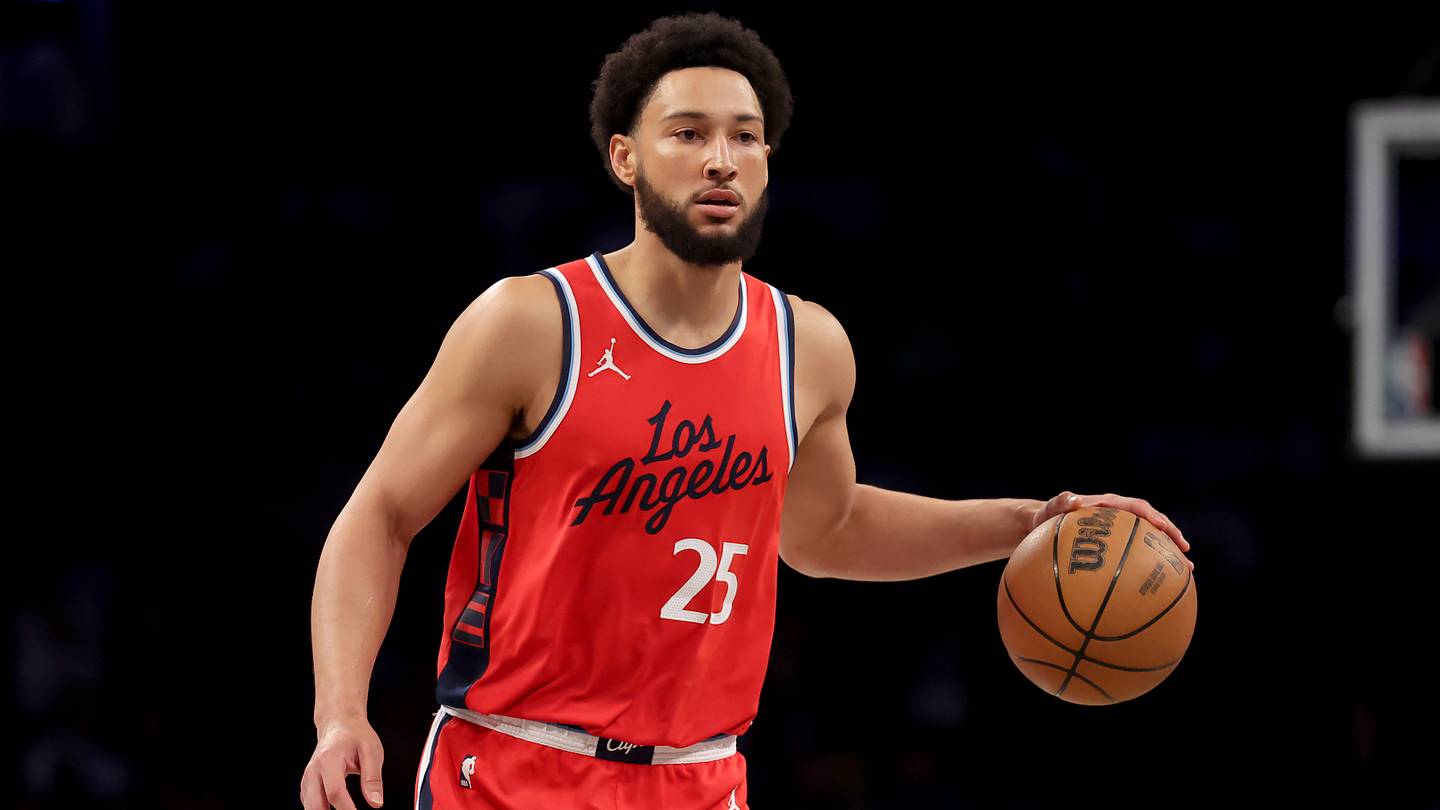
Edited by Casualplayhub News Editorial. Source: SI NBA. Casualplayhub News adds summary, context, and editorial framing while linking back to the original report.
Ben Simmons once stood at the peak of the NBA world. He was a Rookie of the Year, a three-time All-Star, and a player that pundits like Colin Cowherd once told LeBron James would carry the league forward. Those days feel distant now. Years of back injuries, mental struggles, and a fractured relationship with the Philadelphia 76ers and Brooklyn Nets have left Simmons searching for a path back. Yet, at 6-10 and still only 29 years old, the former No. 1 pick is not ready to fade away. According to ESPN's Marc J Spears, Simmons is willing to accept the league minimum to return to the NBA. Spears also notes that Simmons has at least one non-guaranteed offer on the table, signaling that some teams are willing to take a flier.
Among the franchises that could benefit most from this situation is the New York Knicks. Last offseason, the Knicks offered Simmons a one-year veteran minimum contract, which he turned down. He then sat out the entire 2025-26 season. Now, with the Knicks urgently seeking a backup center, the timing might be right for both sides. Leon Rose, the Knicks' president, has shown a willingness to explore unconventional additions, and Simmons fits that mold.
What would the Knicks need from Simmons? Not scoring. During his tenure with the Nets, Simmons became famously reluctant to shoot, often passing up open looks at the rim. That aversion to scoring, once a liability, could actually be a strength in New York. The Knicks already have a potent offensive core led by Jalen Brunson, Karl-Anthony Towns, OG Anunoby, and Mikal Bridges. They need a player who can rebound, defend, and facilitate without demanding the ball. Simmons can do that. In the 2022-23 season, he averaged 6.9 points, 6.3 rebounds, and 6.1 assists in 26.3 minutes per game. Even if those numbers drop in a smaller role, the Knicks would gladly take a third-string big man who can push the pace and find open shooters.
Playing in New York also carries a unique advantage: Simmons could become anonymous. The Knicks' stars attract the media spotlight. A reserve center, especially one with a history of avoiding the camera, could operate in relative peace. He could earn garbage-time minutes, rebuild his confidence, and potentially extend his career. For Simmons, the Knicks offer a chance to reset his reputation without the weight of a franchise's expectations.
There are risks. Simmons has not played competitive basketball in over a year. His back issues remain a concern. And his mental approach to the game has been questioned. But the reward is low-cost. The Knicks would not be sacrificing cap space or roster flexibility. If Simmons fails, they move on. If he finds even a fraction of his old form, they add a versatile, 6-10 playmaker to a team that could use another ball-handler in the second unit.
As the 2026-27 season approaches, the Knicks' interest in Simmons, once a quiet rumor, has become a practical possibility. Both sides need each other—Simmons needs a platform, the Knicks need depth. The question is whether Leon Rose will make the call.
Article commentary
The potential union between Ben Simmons and the New York Knicks is a fascinating case study in NBA redemption arcs. Simmons, once a cornerstone talent, has become a cautionary tale about the fragility of athletic stardom. His fall from grace was swift and public, marked by a disastrous playoff series with the 76ers, a messy trade to Brooklyn, and a series of physical and mental setbacks that left him a shell of the player who dazzled early in his career. What makes this possible reunion compelling is not just the player's talent, but the context. The Knicks are a team on the rise, with a clear identity and a core that has gelled into a legitimate contender. Adding a player of Simmons' pedigree, even in a diminished state, is a low-risk gamble. The Knicks do not need him to be a star; they need him to be a functional role player. That is a dramatically different expectation than what he faced in Philadelphia or Brooklyn. In New York, the spotlight is already distributed among proven stars. Simmons could slip into a supporting role without the pressure to carry an offense. From a basketball perspective, Simmons' fit is intriguing. The Knicks struggle with secondary playmaking when Brunson sits. Simmons, despite his scoring woes, remains a gifted passer and a capable defender. His ability to guard multiple positions and push the ball in transition could add a new dimension to the Knicks' second unit. The question is whether he can stay healthy and mentally engaged. The year off might have been a blessing—time to heal physically and reset mentally. But it also raises doubts about his conditioning and competitive edge. Leon Rose has shown a willingness to take calculated risks. He traded for an aging Derrick Rose, signed Jalen Brunson as a free agent, and made bold moves for Karl-Anthony Towns. Simmons fits that pattern. If the contract is minimal and non-guaranteed, the downside is almost zero. The upside, however slim, could be significant. Critics will argue that Simmons has not proven he can handle adversity. His time in Brooklyn was marked by passive play and a refusal to engage offensively. But the Knicks' culture is different. Tom Thibodeau demands effort, but he has also revived careers of players who needed a fresh start. Simmons could be the next project. Ultimately, this is a story about opportunity. Simmons has one last chance to prove he belongs in the NBA. The Knicks have a need. Sometimes, the most logical moves are the ones that seem the most unlikely. If this signing happens, it will be a test of Simmons' resilience and the Knicks' front office creativity. The basketball world will be watching.