Blazers' Arena Deal: Tom Dundon Holds the Deciding Vote
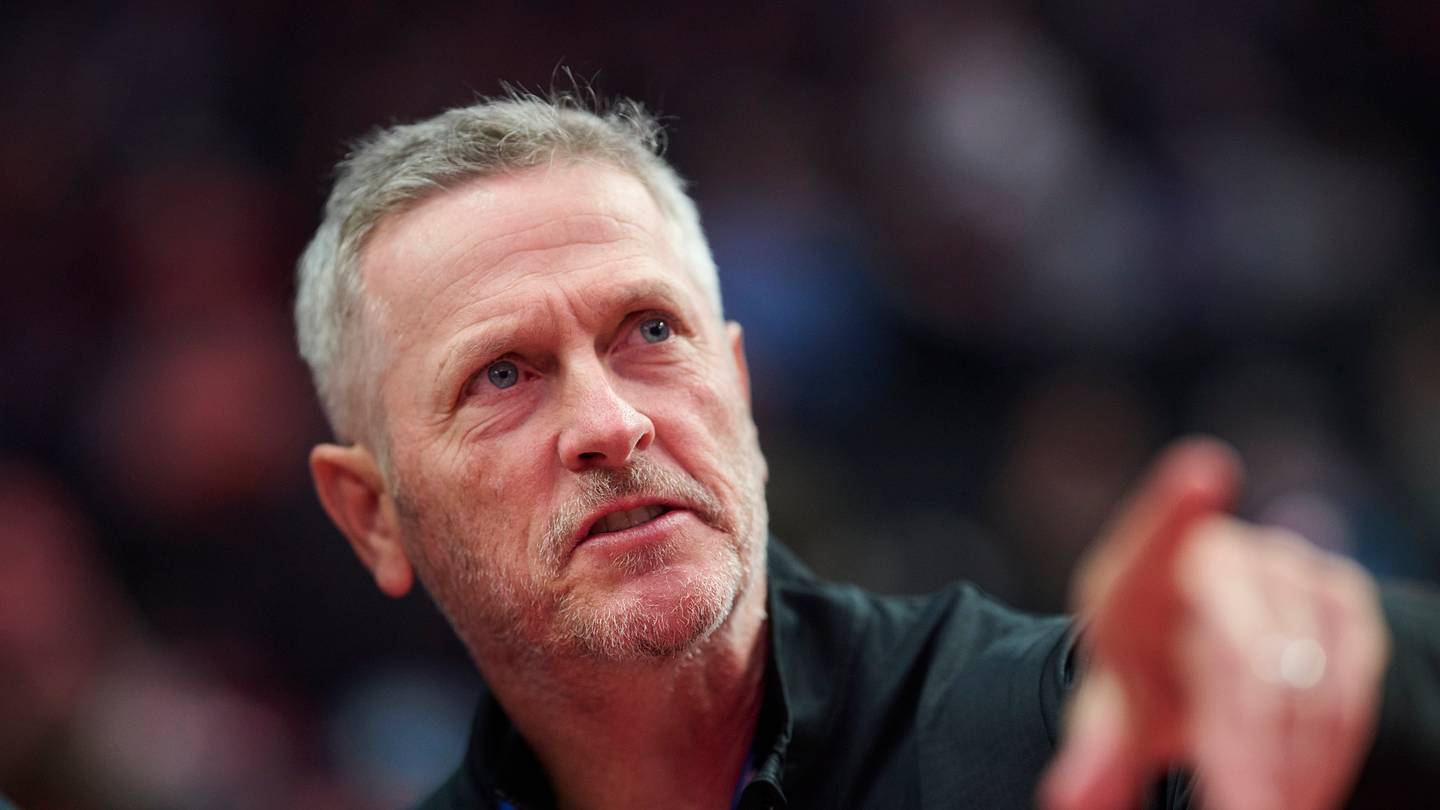
Source: SI NBA. Casualplayhub News adds summary, context, and editorial framing while linking back to the original report.
The Portland Trail Blazers are one step closer to securing a major renovation of the Moda Center, but the final hurdle rests squarely on the shoulders of new owner Tom Dundon. Portland City Council voted 8-4 on Wednesday to approve a term sheet that allocates up to $120 million from city coffers toward the arena overhaul. That decision follows the Multnomah County Commission's approval of its own term sheet last week, and builds on the Oregon state legislature's earlier pledge of $365 million—a contribution that remains contingent on the city and county completing their respective proposals.
With the public sector now lined up, the ball is in Dundon's court. The Blazers, under his ownership, must agree to a set of financial and operational commitments laid out in the term sheets. Among the key obligations: the team will pay $3.1 million in rent each year, plus an additional $3 million in property taxes. If the total renovation costs exceed the $600 million package assembled from state, county, and city sources, the Blazers will be on the hook for the overruns. The franchise must also sign a 20-year lease that prohibits relocation during that period.
Dundon, who took over the team earlier this year, has been unambiguous about his stance on arena funding. He has publicly stated that he does not want to spend a penny of his own money on the renovation. The term sheets, however, create a scenario where he may have to accept some financial risk—namely, the possibility of cost overruns beyond the public contribution. That tension sets the stage for what could be a contentious negotiation over the next four months.
Local officials and community leaders have made it clear they want the Blazers to remain in Portland. The franchise has called the city home for 56 years, and the NBA has signaled its commitment to staying put. Commissioner Adam Silver is expected to step in if Dundon balks, using his influence to push the two sides toward a deal. The league has no interest in relocating a team with such deep roots in a market that has consistently shown support.
The renovation plans are ambitious. The Moda Center, originally opened in 1995, requires significant upgrades to meet modern standards for fan experience, player facilities, and energy efficiency. The proposed $600 million investment would cover everything from seating and concourses to locker rooms and technology infrastructure. The city's $120 million contribution is earmarked for infrastructure improvements that benefit the broader district, not just the arena itself.
A vote on the final agreement is scheduled for December 17. If the Blazers and Dundon can reach a consensus by then, and if the deal is finalized sometime in the 2026 calendar year, the state will release its $365 million share. That timeline gives both sides roughly four months to hammer out the details.
For now, Portland fans can breathe a cautious sigh of relief. The public sector has delivered its part of the bargain. The question is whether Dundon will meet them at the table—or whether the process will require an intervention from the league office.
Article commentary
The Portland Trail Blazers' arena renovation deal is a textbook case of the delicate dance between public funding and private ownership in professional sports. The city and county have committed $120 million and the state $365 million, yet the final decision rests with an owner who has publicly refused to contribute a dime. This dynamic raises questions about leverage, community investment, and the true cost of keeping a franchise in a mid-market city. Tom Dundon's position is not unusual. Many sports team owners resist paying for arena upgrades, arguing that the economic benefits of a franchise justify public subsidy. But the numbers here are striking: $600 million in public money, with the team only responsible for cost overruns. The Blazers' annual rent and property tax payments—totaling $6.1 million—are modest relative to the scale of the investment. Critics might argue that the public is bearing an outsized share of the financial burden for a privately owned asset. On the other hand, Portland has a strong case for retaining the Blazers. The franchise has been a cultural and economic anchor for 56 years. The NBA's willingness to keep the team in place, coupled with Commissioner Adam Silver's potential involvement, suggests that relocation is not a serious threat. The league understands the value of stable, loyal markets. Dundon, despite his stated reluctance, may find it politically untenable to walk away from a deal that the entire community has rallied around. The negotiation timeline is tight. Four months is not long for a deal of this complexity, especially when one party has signaled a hard line. The December 17 vote is a deadline that could force concessions or collapse. If Dundon holds firm, Silver's mediation might be the only path forward. The commissioner has a track record of resolving such impasses, but this one carries unique local stakes. Beyond the immediate deal, this case reflects a broader trend: cities increasingly demand commitments from teams in exchange for public funding. The no-relocation clause and cost-overrun responsibilities are guardrails against the worst-case scenarios seen in other markets. Yet the fundamental imbalance remains. Public dollars flow to private franchises while schools, infrastructure, and social services compete for the same funds. Portland's decision to invest in the Moda Center is a bet on the intangible benefits of professional sports—community pride, national visibility, and economic activity. Whether that bet pays off depends as much on Dundon's signature as on the city's fiscal discipline. For now, the Blazers' future in Portland is a waiting game. The community has done its part. The rest is up to one man.