Former WWE Star Zoey Stark Reveals Support from Punk, Rhodes, Lynch
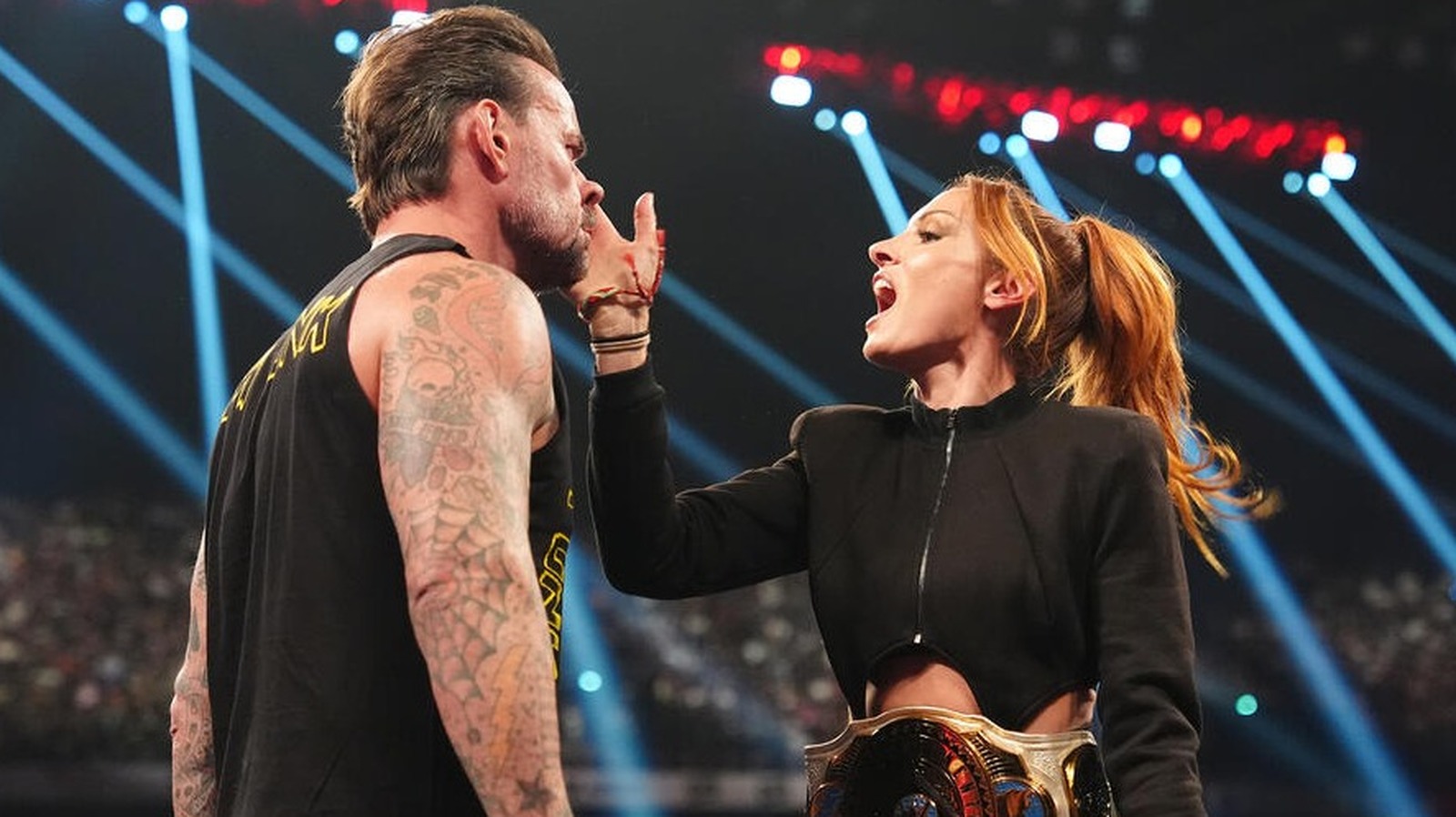
Source: Wrestling Inc.. Casualplayhub News adds summary, context, and editorial framing while linking back to the original report.
The wrestling world is no stranger to the sting of a sudden release, especially when it comes while an athlete is already battling a major injury. For Zoey Stark, that reality hit hard nearly a year after she tore her ACL, MCL, and meniscus. She was one of 22 talents from the main roster and "WWE NXT" let go as part of the company's post-WrestleMania cost-cutting measures. But in the midst of that disappointment, Stark found an unexpected source of strength: a trio of the biggest names in the business.
Speaking to reporter Denise Salcedo, Stark revealed that Women's Grand Slam Champion and former opponent Becky Lynch was among the first to offer a lifeline. "Becky was one of the first people that reached out to me and helped me during rehab," Stark said. "When I got released, literally, I would call her. In fact, she was one of the first people that I called. I told her immediately. She immediately picked up the phone and was like, 'This is what I can do for you and let's figure this out together.' So Becky, thank you from the bottom of my heart. And she still helps me out today."
But Lynch wasn't alone. Stark also received support from both the current and former Undisputed WWE Champions: CM Punk and Cody Rhodes. Like Lynch, Punk had been in touch with Stark throughout her entire rehab journey, checking in even after the release news broke. Rhodes, meanwhile, took a different but equally meaningful approach—he offered constructive feedback on the video Stark posted following her exit from WWE.
"He [Punk] reached out to me throughout my entire rehab journey. He reached out when I got released. To have these friendships that I thought I would never have, those are the moments that I actually really do hold near and dear," Stark concluded.
Stark’s story is a reminder that behind the larger-than-life personas and grueling travel schedules, genuine connections can form. She noted that having friends like Lynch, Punk, and Rhodes in an industry notoriously competitive and transient has lifted her spirits. The fact that these stars took time out of their own demanding careers to offer a hand says volumes about the character backstage at WWE.
For fans who only see the scripted rivalries on screen, Stark’s account offers a glimpse into the real-life bonds that often persist long after the cameras stop rolling. Her gratitude is palpable, and she remains humbled by the generosity she received from three of the most recognizable figures in professional wrestling.
If you use any of the quotes in this article, please credit "Denise Salcedo" with a h/t to Wrestling Inc. for the transcription.
Article commentary
Zoey Stark’s revelation about the support she received from Becky Lynch, CM Punk, and Cody Rhodes following her WWE release shines a light on the often-hidden humanitarian side of the wrestling business. In an industry driven by entertainment, competition, and corporate bottom lines, stories like these remind us that the performers are people first. The fact that Lynch, Punk, and Rhodes—each with their own massive responsibilities—took time to assist a former colleague speaks to a culture of mentorship that exists backstage, even if it’s rarely highlighted in television storylines. From a business perspective, WWE’s post-WrestleMania budget cuts are a recurring pattern, reflecting the cyclical nature of the industry. Releases often come as a shock, especially when they involve talents like Stark who are recovering from serious injuries. The company’s decision to cut costs can feel cold, but the individual responses from top stars suggest a support network that operates independently of corporate policy. This isn’t just a feel-good story; it’s a strategic insight into how wrestlers build resilience and loyalty outside the ring. Critically, the narrative also underscores the importance of peer relationships in an environment where job security is notoriously fragile. Stark’s mention that she “thought she would never have” such friendships highlights how isolating the business can be, especially for younger talents moving up the ranks. Lynch, Punk, and Rhodes have all experienced their own ups and downs in the industry—from releases to title runs to public disputes. Their empathy likely stems from personal experience, which makes their outreach more genuine than a simple PR gesture. Another layer worth considering is the timing. Stark’s interview was conducted with Denise Salcedo, a respected independent journalist, and the quotes were shared via Wrestling Inc. This indicates that Stark is actively shaping her public narrative, potentially as a way to maintain relevance and goodwill during her time away from WWE. That’s a smart move, given that wrestlers often rely on personal branding and fan support when transitioning to other promotions or independent circuits. From a larger cultural standpoint, the story reflects a shift in how wrestling talent interacts publicly. Social media and independent media have given performers more control over their stories. Stark’s willingness to name specific stars and recount personal phone calls humanizes the entire industry. It also challenges the perception of wrestling as a purely cutthroat world where everyone is out for themselves. Ultimately, this is more than a piece of gossip; it’s a testament to the bonds that form under the bright lights of the squared circle. While the business side of WWE may treat talent as interchangeable assets, the friendships that develop can last a lifetime. For Stark, the support of Lynch, Punk, and Rhodes likely made a painful transition a little less lonely. And for fans, it’s a reminder that the characters we cheer for are often even better people than the ones they play on TV.