Dunleavy: Warriors Won't Block Curry If He Wants Out
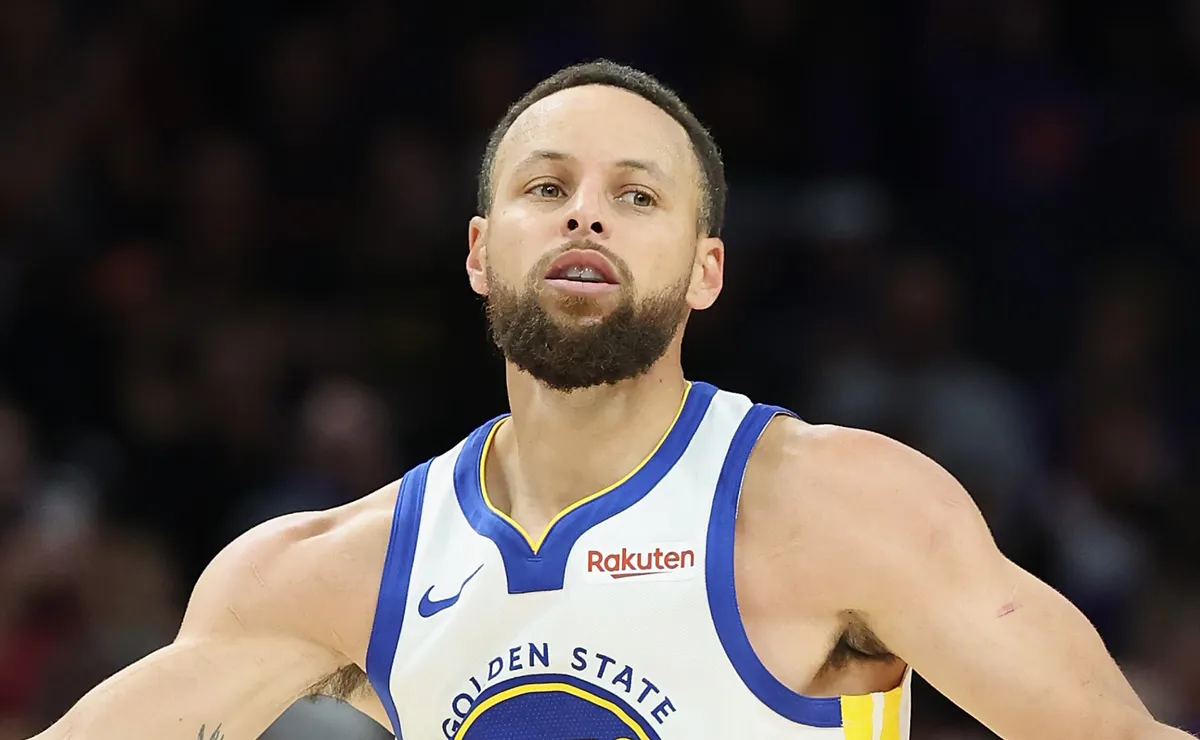
Source: Bolavip. Casualplayhub News adds summary, context, and editorial framing while linking back to the original report.
The bond between Stephen Curry and the Golden State Warriors stands as one of the most enduring partnerships in NBA history. But recent whispers about a potential split—however improbable—have prompted questions about how the franchise would navigate such a moment. General Manager Mike Dunleavy Jr. provided a candid answer in a conversation with The Athletic's Anthony Slater, laying out the protocol if the two-time MVP ever asked to leave.
“Ultimately, it’s his call, his decision, whether that’s allowing his contract to run out and move on,” Dunleavy said on Tuesday. “Look, if he comes to me and wants to be moved, Joe and I will talk it through. We wouldn’t love it. But he’s earned the right to do what he wants. But as far as the messaging or any idea that he’d be anywhere else, that’s not a thing we’re looking at, or he’s looking at.”
Dunleavy’s remarks acknowledge the unique status Curry holds within the organization. The four-time champion and two-time MVP is not just the franchise’s greatest player—he is the architect of its dynasty. At 38, Curry remains in top form, averaging 26.6 points, 4.7 assists, and 3.6 rebounds last season while shooting 46.8% from the field. Yet the Warriors are far from title contention. The roster, built around Curry and Kristaps Porzingis, lacks sufficient veteran scoring. Injuries to Jimmy Butler and Moses Moody have further exposed the team's fragility.
Dunleavy also addressed the difficult roster decisions made this summer, particularly the choice to prioritize talent over availability. “Constructing the roster, we had to make a decision between talent and availability,” he explained. “There was no perfect solution in terms of the combination of the two. We leaned a little bit more toward talent… We are taking on some risk there, but I think we value the talent over maybe finding guys that were perfectly healthy.”
Critics have pointed to the team’s failure to pursue stars like LeBron James or Giannis Antetokounmpo as a missed opportunity. But for Dunleavy, the challenge was balancing short-term competitiveness with long-term flexibility. The Warriors front office has faced mounting scrutiny over recent moves, and the prospect of losing Curry without a fight would invite even harsher backlash.
Still, Dunleavy’s stance is clear: Curry’s legacy and wishes come first. The organization understands that forcing a reluctant star to stay would damage the relationship and the franchise’s reputation. For now, both sides appear aligned in their commitment to winning. But the clock is ticking on Curry’s prime, and the Warriors must find a way to surround him with a supporting cast capable of making another deep playoff run. If they fail, the unthinkable—a trade request—might become more than just a rumor.
Article commentary
Mike Dunleavy’s recent comments about Stephen Curry’s potential trade request represent a rare moment of transparency in the often opaque world of NBA front offices. By publicly stating that the Warriors would not block a move if Curry desired one, Dunleavy is acknowledging the franchise’s debt to its greatest icon. It is a strategic move that reinforces trust and loyalty, but it also carries significant implications for the team’s future. From a business perspective, Curry is the Warriors’ most valuable asset—not just on the court, but as a brand. Letting him leave voluntarily would be a devastating blow to the organization’s revenue, fan engagement, and competitive standing. Yet forcing him to stay against his will would be equally damaging. The Warriors appear to be taking the long view, prioritizing the relationship over short-term gains. This approach mirrors the way the San Antonio Spurs handled Tim Duncan’s twilight years, allowing the legend to define his own exit. However, the context differs. The Spurs were a perennial contender during Duncan’s career, while the Warriors are currently struggling to stay afloat in a loaded Western Conference. Curry’s elite performance at 38 is remarkable, but it masks a roster that lacks depth, health, and offensive firepower beyond him and Porzingis. The injuries to Butler and Moody only amplify the urgency. Dunleavy’s admission that the team leaned toward talent over availability suggests a gamble that has not yet paid off. The decision not to pursue LeBron James or Giannis Antetokounmpo—two players who could have shifted the balance of power—raises questions about the front office’s aggressiveness. Was it a matter of patience, or a failure to act? The answer may lie in the organization’s belief in developing internal talent, but that strategy has yielded mixed results in recent years. Ultimately, Dunleavy’s statement is a reminder that even the most loyal partnerships can end. The Warriors are preparing for a future that may or may not include Curry. If they can build a contender around him quickly, the trade rumors will fade. If not, the franchise will have to face the painful reality of life without its brightest star. The coming season will be a defining test for both Curry’s legacy and the Warriors’ front office.