Love's Week 1 Status in Jeopardy After High Ankle Sprain
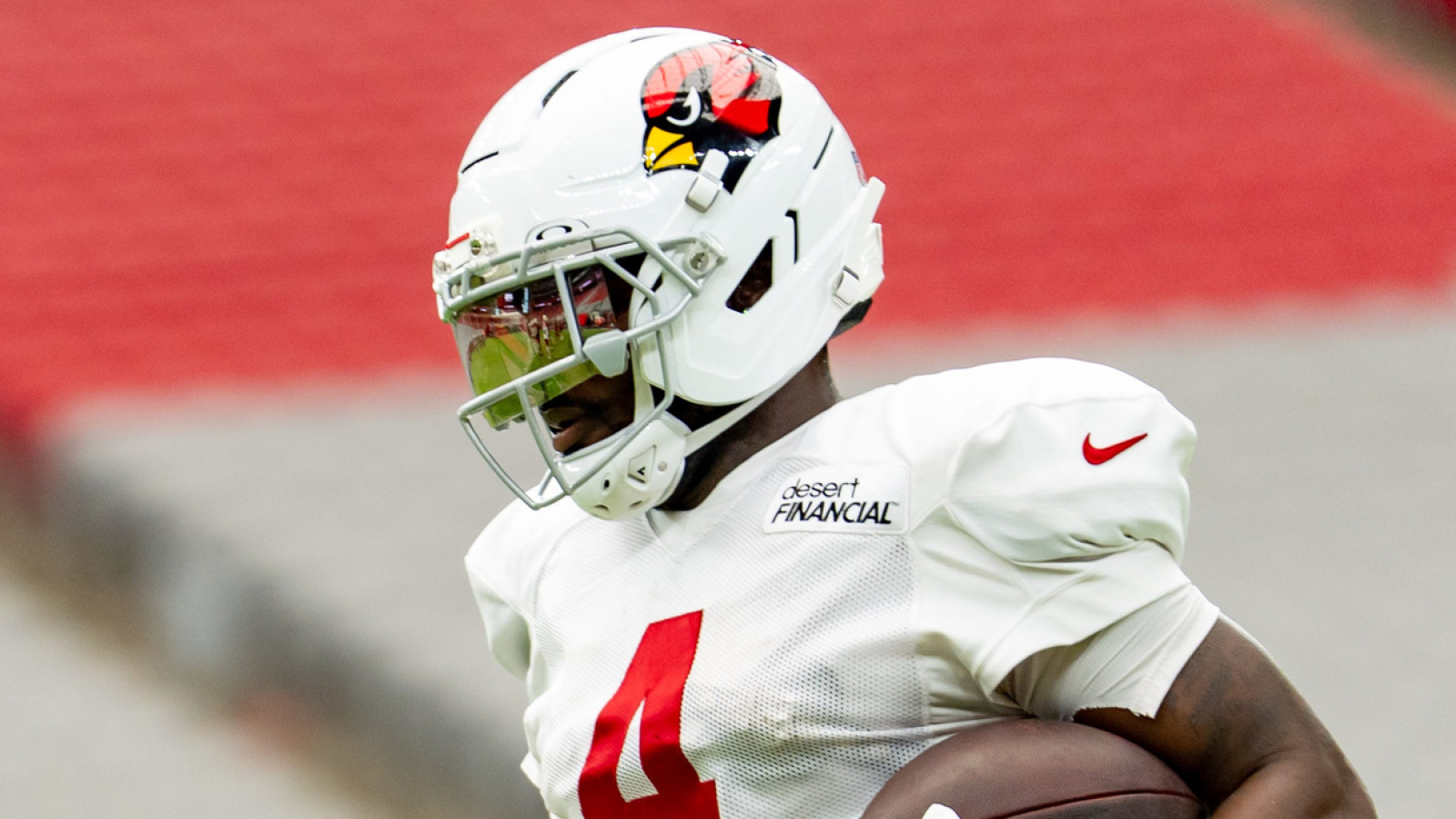
Source: Yard Barker. Casualplayhub News adds summary, context, and editorial framing while linking back to the original report.
Ad eligibility review: sensitive-topic
The Arizona Cardinals' offensive blueprint for the 2026 season took a potential hit this weekend as rookie running back Jeremiyah Love, the franchise's prized No. 3 overall draft pick, is now dealing with a high ankle sprain that puts his availability for Week 1 in question. The injury occurred during the team's second preseason game against the Las Vegas Raiders on Thursday night, when Love was on the field for 14 touches — 11 rushes netting 58 yards and three catches adding 14 yards. He had been held out of the preseason opener in the Hall of Fame Game two weeks earlier, making this his first extended action of the summer.
ESPN's Adam Schefter broke the news on Sunday evening, reporting that tests revealed the sprain is likely to sideline Love for the remainder of the preseason. The Cardinals, however, are holding out hope that he can recover in time for the regular-season kickoff on Sept. 13 against the Los Angeles Chargers. A high ankle sprain, as opposed to a standard lateral sprain, involves damage to the syndesmotic ligaments that connect the tibia and fibula, and it typically requires a longer recovery window — often three to six weeks, depending on severity. Given that the opener is just over three weeks away, the timeline is tight.
The team's optimism is understandable. Love was drafted with the expectation that he would become an immediate centerpiece of the Cardinals' offense, a dual-threat back capable of pounding between the tackles and catching passes out of the backfield. But the nature of high ankle sprains presents a dilemma: they can linger if not fully healed, and players who return too soon risk compensatory movements that lead to other injuries. The Cardinals must weigh the short-term gain of having Love on the field for a critical divisional matchup against the Chargers against the long-term health of a player they hope will anchor their backfield for years.
Head coach Jonathan Gannon and offensive coordinator Drew Petzing have not yet publicly commented on the injury, but the team's medical staff will be monitoring Love's progress closely. The running back room behind him includes veterans and younger options, but none possess the explosive skill set that Love showed in college and during training camp. His 14 touches against the Raiders were a glimpse of the workload he was expected to carry — a workhorse role that now seems precarious.
This injury also raises broader questions about the Cardinals' approach to preseason usage. Love was given significant snaps in a game that, while meaningful for evaluation, also exposed him to unnecessary risk. Some analysts have criticized the decision to play a top-three pick so heavily in a preseason contest, especially after he sat out the first game. The team's reasoning likely centered on getting him live reps against NFL defenses, but the outcome has been a setback that could ripple into the regular season.
For now, the Cardinals will proceed with caution. Love will undergo further evaluation in the coming days, and his status for the opener will remain a day-to-day question mark. The franchise's investment in him — both in draft capital and offensive philosophy — means every decision will be made with a long view. But as any NFL fan knows, high ankle sprains are stubborn. The hope in Arizona is that Love's youth and conditioning speed up the recovery, but the reality is that Week 1 is no sure thing.
Article commentary
Jeremiyah Love's high ankle sprain throws a wrench into what was shaping up to be a showcase season for the Arizona Cardinals' rookie running back. Drafted third overall, Love was expected to be the engine of an offense that lacked a clear identity in recent years. The injury, suffered during a preseason game that carried little competitive weight, now forces the franchise to confront a difficult calculus: risk rushing back a foundational player or accept a slow start without him. High ankle sprains are among the most troublesome injuries for skill position players, especially running backs who rely on sudden cuts, acceleration, and planting. The recovery timeline typically ranges from three to six weeks, but even when a player is cleared to play, the functional strength and stability of the ankle may not be fully restored. This creates a trap for teams: the medical staff may clear the player based on range of motion and pain tolerance, but the on-field performance could suffer, and the risk of re-injury or compensatory issues — such as hamstring strains — increases significantly. The Cardinals' decision to play Love extensively in the second preseason game is worth scrutinizing. Preseason snaps are a necessary evil for rookies, but the team had already held him out of the Hall of Fame Game, suggesting a cautious approach. Then, in his first real action, he logged 14 touches — a workload that mirrors a regular-season starter's usage. For a player with zero NFL regular-season experience, that volume in a meaningless game seems disproportionate. The injury could have happened on any play, but the exposure was unnecessary. If Love is unable to go against the Chargers, the Cardinals will have to lean on a committee of backup running backs, none of whom have Love's blend of size, speed, and receiving ability. The offensive line, already a work in progress, would face additional pressure to open holes for less dynamic runners. Quarterback Kyler Murray would likely shoulder more of the rushing load, which carries its own injury risks. The entire offensive scheme that offensive coordinator Drew Petzing installed over the summer — built around Love as a versatile weapon — would need to be pared back or altered. There is also a psychological dimension. A rookie missing Week 1 due to a preseason injury can create a sense of lost momentum, both for the player and the locker room. Love's teammates have spoken highly of his work ethic and explosiveness, and his absence would be felt in practice as well as games. The Cardinals, who are in a rebuilding phase, cannot afford to start the season with their most important offensive player sidelined. Looking ahead, the team must balance optimism with realism. The hope that Love returns for the opener is not unfounded — many players have recovered from high ankle sprains in under four weeks with aggressive treatment and favorable Grade 1 severity. But the team's history with such injuries, and the broader NFL trend of rushing players back only to see them re-injured, should give them pause. The smarter play may be to hold Love out until Week 2 or 3, ensuring he is at full strength rather than a diminished version of himself. Ultimately, this injury is a test of the Cardinals' organizational discipline. The temptation to have their star rookie on the field for a nationally televised opener is strong. But the franchise's long-term success depends on making the right call, not the popular one. Love's ankle will be a storyline to monitor until the first whistle sounds on Sept. 13 — and possibly beyond.