Cavs Draft Picks: A Five-Year Status Report
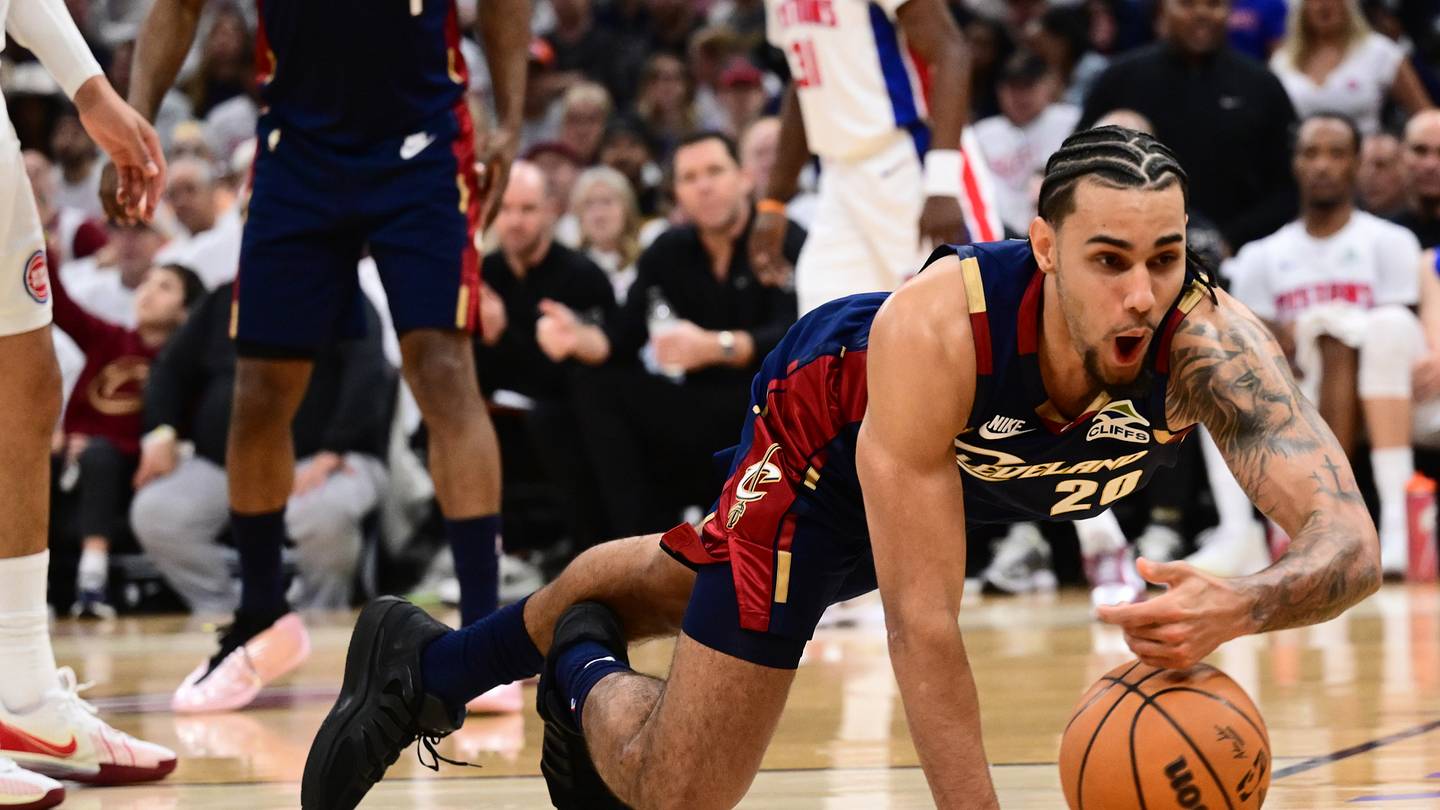
Source: SI NBA. Casualplayhub News adds summary, context, and editorial framing while linking back to the original report.
The Cleveland Cavaliers have navigated five years of drafts with varying outcomes, from cornerstone pieces to players who never suited up for the franchise. The 2026 NBA Draft saw the Cavs pick Meleek Thomas and Alex Karaban. But in a twist, Cleveland traded their first-round selection, Karaban, to the Sacramento Kings for the pick that eventually became Thomas. As of now, neither Thomas nor Karaban has stepped onto an NBA court—they remain prospects waiting for their chance.
Looking back to 2025, the Cavaliers added Tyrese Proctor and Saliou Niang. Proctor, a guard, played 50 games in his rookie season, learning from veteran teammates and steadily improving his game. He remains on Cleveland’s active roster, carving out a role. Niang, meanwhile, was a Euro-stash draft pick—a player the Cavs selected but who did not immediately sign. Instead, Niang chose to pursue college basketball in the United States, joining LSU for the 2026 season. His path to Cleveland is delayed, at least for now.
The 2024 draft brought Jaylon Tyson, one of three first-round picks the Cavs have made in the last five years. Tyson’s rookie season was modest: 47 games, averaging 3.6 points. But in his second year, he transformed. He started 42 of 66 games, boosted his scoring average to 13.2 points, and dropped a career-high 39 points against the Philadelphia 76ers. Many fans believed he deserved the NBA’s Most Improved Player Award, and his personality made him a locker-room favorite. He remains a key part of the Cavs’ rotation heading into 2026.
Emoni Bates, selected 49th overall in 2023, arrived with high upside according to scouts. But his NBA career never took off. Over two seasons, he played just 25 games for the Cavs, averaging 3.1 points. Most of his standout moments came with the Cleveland Charge in the G-League. Today, Bates is not on an NBA roster; he last played for the Texas Legends, also in the G-League.
The 2022 draft class was a busy one for Cleveland: Ochai Agbaji, Khalifa Diop, Isaiah Mobley, and Luke Travers. Agbaji, a first-round pick, never played a game for the Cavs. He was traded to the Utah Jazz in the deal that brought Donovan Mitchell to Cleveland, a move that reshaped the franchise. Agbaji has since moved to the Brooklyn Nets, his fourth NBA team. Diop, a center from Senegal, has yet to see NBA action. He continues his career in Spain, where he has played since being drafted. Isaiah Mobley, younger brother of Cavs star Evan Mobley, appeared in just 22 games for Cleveland. He was most recently with the Philadelphia 76ers in 2025 and now plays in Israel. Luke Travers, an Australian swingman, logged 22 games with the Cavs, averaging 1.7 points, before returning to his home country to play for Melbourne United.
Then there is Evan Mobley, the 2021 draft pick who has become the face of the Cavs’ future. He earned Defensive Player of the Year honors, All-NBA selection, and an All-Star nod. Heading into his sixth season, Mobley remains in Cleveland despite swirling trade rumors. The front office hopes that future draft picks can follow his path and become long-term building blocks.
Article commentary
The Cleveland Cavaliers’ draft history over the last five years offers a revealing case study in NBA roster construction. The franchise has experienced the full spectrum of outcomes: a home run in Evan Mobley, a solid contributor in Jaylon Tyson, a trade asset in Ochai Agbaji, and several players who never made an impact. This mix is not unusual for any team, but it highlights the inherent uncertainty of the draft—especially for a team that has been in win-now mode since acquiring Donovan Mitchell. Mobley’s development into a Defensive Player of the Year and All-Star validates the Cavs’ scouting and patience. He is the kind of foundational piece that can anchor a contender for a decade. However, the team’s success in the draft beyond Mobley is mixed. Jaylon Tyson’s sophomore leap is encouraging, suggesting that the Cavs can find value later in the first round. But the 2022 class, aside from the Mitchell trade, has produced little NBA contribution. Agbaji’s value was ultimately realized in a trade, which is a legitimate outcome, but Diop, Mobley, and Travers have not panned out in Cleveland. The 2023 selection of Emoni Bates was a high-risk, high-reward gamble that did not pay off. Bates had immense talent but struggled to translate it to the NBA level. For a team with championship aspirations, such picks are less critical, but they represent missed opportunities to add depth. Looking at the 2025 and 2026 classes, it is too early to judge. Tyrese Proctor has shown promise as a rookie, and Saliou Niang’s decision to play college basketball may delay his arrival but could also develop him further. The 2026 picks—Meleek Thomas and the traded Alex Karaban—are unknown quantities. The Cavs’ willingness to trade their first-round pick for a different selection shows they are active in trying to find the right fit. One notable trend: the Cavs have used the draft to acquire players who either develop slowly or are stashed overseas. This approach reflects a front office that values patience and long-term planning. However, for a team that is currently competing in the Eastern Conference, the draft may become less about building for the future and more about finding immediate contributors or trade assets. The next few years will test whether the Cavs can balance their championship window with sustainable roster building. Overall, the Cavaliers’ draft record is a reminder that the NBA draft is an inexact science. Hits like Mobley are celebrated, but misses and trades are part of the process. The key is to hit on enough picks to maintain a competitive core while using the rest as currency. Cleveland appears to be doing that, but the jury is still out on several recent selections.