Cavaliers' Salary Bind Opens Door for Bulls to Land Max Strus
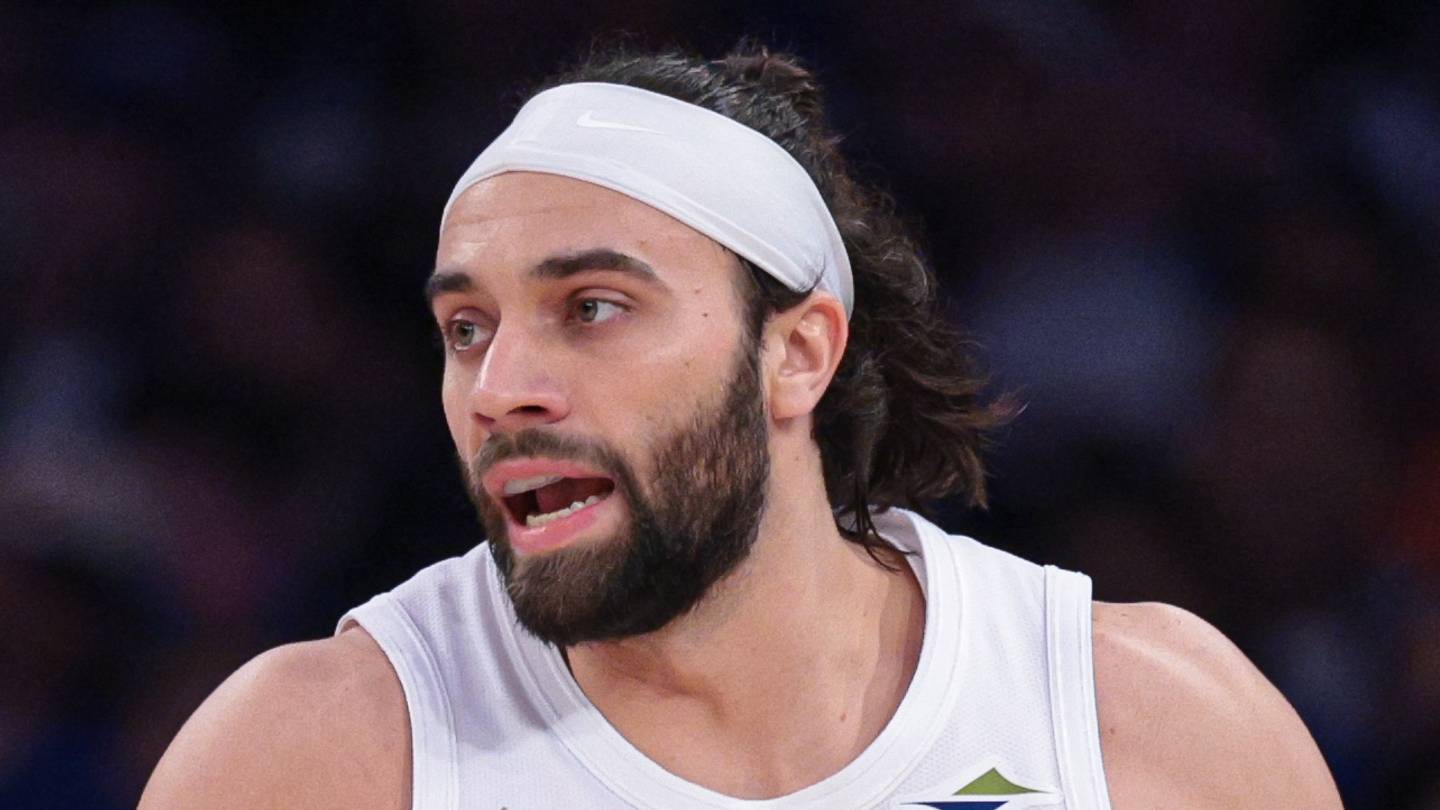
Source: SI NBA. Casualplayhub News adds summary, context, and editorial framing while linking back to the original report.
The Chicago Bulls have been suspiciously quiet this offseason, a silence that seems intentional. Under Bryson Graham's first summer as the team's lead executive, the organization has finally committed to a full-scale rebuild, focusing on slow, deliberate development of young wings like Caleb Wilson and Matas Buzelis. The moves they have made—trading for Nic Claxton to bolster the defense and signing Norman Powell as a reliable veteran shooter—are modest, almost cautious. This is by design. For the first time in years, the Bulls are not chasing quick fixes. They are building for something longer.
Yet the offseason is not over. Graham has openly stated in interviews his willingness to engage in salary-dump trades, a stance that marks a sharp departure from the previous front office's reluctance to take on short-term financial burdens for long-term gain. The Bulls still have an open roster spot as training camp approaches, a deliberate gap that invites last-minute opportunities as other teams finalize their rosters. One such opportunity may have just surfaced from Cleveland.
The Cavaliers, according to a report from The Stein Line, are still actively looking for a team to take on the final year of Max Strus's contract. Strus, who appeared in only 12 games during the 2025-26 season, is owed $16.7 million for the upcoming year—a significant sum for a player who has struggled with injuries. Cleveland finds itself in a financial bind as it tries to re-sign James Harden and potentially pursue impact talents like Peyton Watson or Jonathan Kuminga. The franchise recently traded Dennis Schroder to the Charlotte Hornets to increase flexibility, but the Strus situation remains unresolved.
The Bulls, with a total salary of $163 million against a luxury tax threshold of $200.4 million, have the cap space to absorb Strus's contract. More importantly, his deal expires after this season, aligning perfectly with Graham's aversion to long-term commitments. Taking on Strus would give Chicago even more salary cap room next summer, especially if the team declines options on players like Norman Powell and Zach Collins. There is also a basketball fit: the Bulls are thin on perimeter shooting, and Strus is a career 37% three-point shooter on high volume. He could provide valuable floor spacing for a young core that needs room to develop.
The real question is what the Cavaliers will offer to incentivize the deal. Cleveland is reportedly reluctant to give up anything of real value, given that Strus is still a capable rotation player. But the market demands compensation for taking on salary. The Cavaliers own their first-round picks from 2030 through 2032, and they are thin on second-rounders. A protected first-round pick might be the only way to entice a suitor. For a rebuilding team like Chicago, that sort of asset could be exactly what Graham is looking for.
Of course, the deal may never materialize. Giving up a first-round pick to move a competent player for just one season is a tough sell for any front office. But desperation can change calculations. The Bulls are in a perfect position to exploit that desperation, and Graham's aggressive but patient approach could turn a simple salary dump into a savvy long-term play. As the calendar flips toward training camp, the door remains open.
Article commentary
The potential trade of Max Strus from the Cleveland Cavaliers to the Chicago Bulls is a fascinating case study in modern NBA team-building. On the surface, it appears to be a straightforward salary dump: the Cavaliers need to shed $16.7 million to create flexibility for re-signing James Harden and pursuing other targets, while the Bulls have the cap space and a roster spot to absorb the deal. But the layers beneath that simple transaction reveal the strategic calculus of two franchises at very different stages of their development. For the Bulls, this is a textbook opportunity to leverage financial flexibility for future assets. Since taking over the front office, Bryson Graham has signaled a clear shift toward patient rebuilding. The team is no longer chasing mid-tier free agents or trading future picks for short-term fixes. Instead, the focus is on player development and accumulating cap space, which can be used to take on expiring contracts in exchange for draft picks. This is precisely the kind of move that made the Oklahoma City Thunder and Houston Rockets successful in their rebuilds. Adding a first-round pick, even a protected one, for simply absorbing one year of Strus's salary would be a masterstroke for a team that has few assets beyond its own draft capital. From the Cavaliers' perspective, the situation is more complex. Strus is a proven shooter who, when healthy, can be a valuable rotation piece. His $16.7 million salary is not prohibitive for a team that is already in the luxury tax conversation, but Cleveland's ambitions go beyond just keeping the current roster together. The pursuit of James Harden signals a win-now mentality, and adding a player like Peyton Watson or Jonathan Kuminga would require significant financial room. The Cavaliers have already demonstrated a willingness to make difficult moves by trading Dennis Schroder. Now they face the same dilemma with Strus: how much are they willing to give up to get off his contract? The reluctance to attach a first-round pick is understandable. In a league where every asset is precious, surrendering a future first to move a player who can still contribute is a painful decision. But the Cavaliers' window is open now, and every dollar counts when you are trying to build a championship contender. The alternative—keeping Strus and paying the tax—might be more palatable than losing a pick, especially if they believe he can regain his form after an injury-plagued season. Ultimately, this trade hinges on how desperate the Cavaliers are and how patient the Bulls can be. Chicago holds the leverage: they have the cap space, the roster flexibility, and no urgency to make a move. Graham can afford to wait until the Cavaliers blink, potentially extracting a better deal as the season approaches. If the Bulls can turn an empty roster spot and some cap space into a future first-round pick, it would be a quiet but significant win for a franchise that has spent years making noise without making progress.