Otega Oweh: Thunder's Two-Way Wildcard
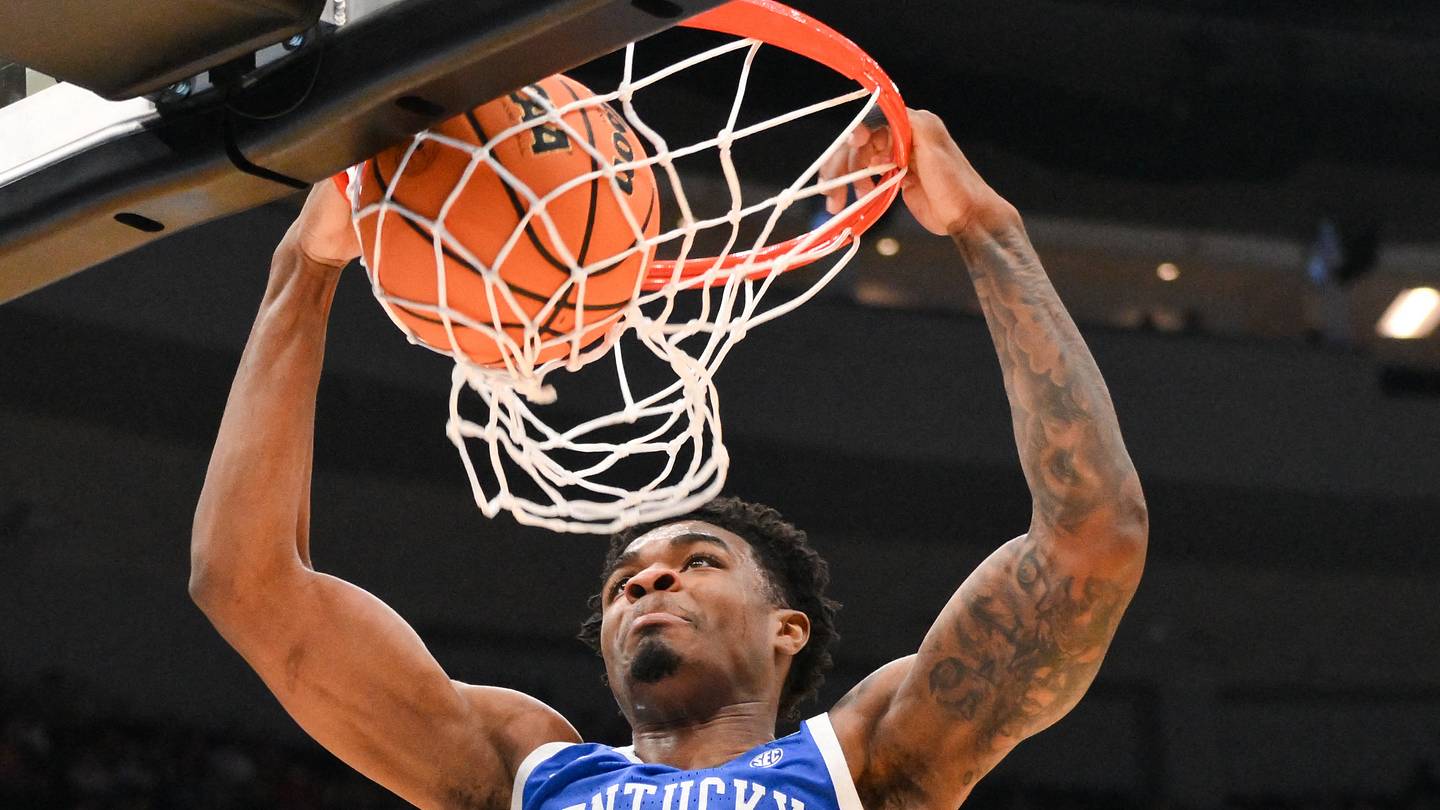
Source: SI NBA. Casualplayhub News adds summary, context, and editorial framing while linking back to the original report.
Ad eligibility review: sensitive-topic
The Oklahoma City Thunder are heading into a season of experimentation. After a summer of roster turnover, the team has introduced new faces and will likely test various lineups. For the newcomers, this means ample opportunity to prove themselves. Among them, Otega Oweh, a second-round draft pick from Kentucky, stands out as a potential surprise.
Oweh signed a two-way contract with the Thunder, a deal that typically places a player on a developmental path between the NBA and the G League. But the Thunder's roster situation is unusual. They currently have only 14 players under contract, leaving one spot open. That vacancy gives Oweh a clearer path to earning a standard deal, even if no guarantees exist. The team's front office has shown a willingness to keep flexibility, and that could work in Oweh's favor.
Two-way players are allowed to play in up to 50 regular-season games when called up. The Thunder have three such players: Oweh, Brooks Barnhizer, and Josh Dix. Barnhizer brings more experience, but the organization may prioritize developing its own draft pick. Oweh, selected in the second round, represents an investment the team wants to see grow.
On the court, Oweh offers a blend of defensive tenacity and scoring punch. During his college career, he averaged over one steal per game every season, peaking at 1.8 steals per game as a senior. That aggressive style fits the Thunder's defensive identity. On offense, he averaged 18.6 points per game in his final year at Kentucky, leading the Wildcats in scoring. His ability to create his own shot and attack the rim makes him a versatile weapon.
These traits evoke comparisons to Lu Dort, the Thunder's former defensive stopper who left in free agency. While Oweh cannot step in and replicate Dort's impact immediately, the blueprint is similar. The Thunder value perimeter defenders who can also score, and Oweh's college production suggests he can develop into that two-way role. Giving him early minutes could accelerate that process.
Oweh is unlikely to become a star on a two-way contract. But his opportunity to contribute is real. The Thunder's open roster spot, combined with their history of nurturing young talent, creates a favorable environment. If Oweh can translate his college game to the NBA, he could carve out a permanent spot. The upcoming season will be a proving ground, and Oweh has the tools to make the most of it.
Article commentary
The Oklahoma City Thunder are in a unique phase of team building. They have a young core already in place, led by Shai Gilgeous-Alexander, and a deep cache of future draft picks. This allows them to take calculated risks on developmental players, and Otega Oweh fits that profile perfectly. Drafted in the second round, he is a low-cost asset with upside. The decision to sign him to a two-way contract reflects a strategy of patience and evaluation. Oweh's skill set aligns with the modern NBA emphasis on two-way players. His defensive numbers in college are impressive, but context matters. The jump from college to the NBA is steep, especially for second-round picks. The Thunder's system, however, is known for player development. They have a track record of turning overlooked prospects into contributors, as seen with Lu Dort and others. If Oweh can replicate even a fraction of that success, he will be a valuable piece. The open roster spot adds an intriguing layer. The Thunder could have filled it with a veteran minimum signing, but they chose to leave it vacant. This flexibility suggests they want to evaluate their young players before committing. Oweh, as the newest draft pick, has the inside track. But he must outperform the other two-way players, Brooks Barnhizer and Josh Dix, to earn a promotion. Barnhizer's experience might give him an edge, but Oweh's youth and draft pedigree make him a priority. Comparisons to Lu Dort are natural but should be tempered. Dort earned his role through relentless defense and a rapid improvement in shooting. Oweh is a better scorer in college, but his shooting efficiency will be tested in the NBA. His three-point percentage at Kentucky was modest, and he will need to adapt to tighter defenses. The Thunder's coaching staff, led by Mark Daigneault, excels at tailoring development plans to individual players. They will likely focus on refining Oweh's shot selection and off-ball movement. From a roster construction perspective, the Thunder have a surplus of guards. Adding Oweh to the mix creates competition, which is healthy. But it also means minutes will be scarce. Injuries or trades could open the door, but Oweh cannot rely on that. He needs to make an immediate impact in practice and in his limited game appearances. The two-way contract allows him to play in the G League, where he can get extended reps. Ultimately, Oweh's success will depend on his adaptability. The Thunder are not expecting him to be a star. They are looking for a reliable rotation player who can defend and score efficiently. If he can provide that, the final roster spot will be his. The team's patient approach gives him a fair chance. The narrative around Oweh is one of opportunity and potential, and the upcoming season will reveal whether he can seize it.