WWE Raw Viewership Holds Steady, Bloodline Drama Drives Episode
Source: Wrestling Inc.. Casualplayhub News adds summary, context, and editorial framing while linking back to the original report.
The August 10 episode of WWE Raw delivered another week of stable viewership, continuing a pattern of consistency that has defined the red brand throughout the latter half of summer. After a notable uptick the previous week, the show held its ground, attracting 2.6 million global viewers over a seven-day window, according to Wrestlenomics, which gathers data from Netflix. This figure matches the August 3 number, following a stretch from July 13 to July 27 where Raw maintained a steady 2.4 million viewers each week. However, the total hours watched for the August 10 episode dropped to 4.5 million, a decline of one million hours from the prior week, suggesting that while the audience size remained steady, engagement measured in watch time decreased slightly.
The show's positioning on Netflix's weekly rankings also shifted. Raw fell to eighth globally, slipping from sixth place the previous week. Domestically, it ranked fifth, down from fourth. The top three spots in the United States were occupied by season three of "My Life with the Walter Boys," "Conversations with a Killer: Charles Manson Tapes," and season three of "Tires." These rankings reflect the competitive landscape of streaming content, where Raw faces not only other sports entertainment but also popular scripted and documentary series.
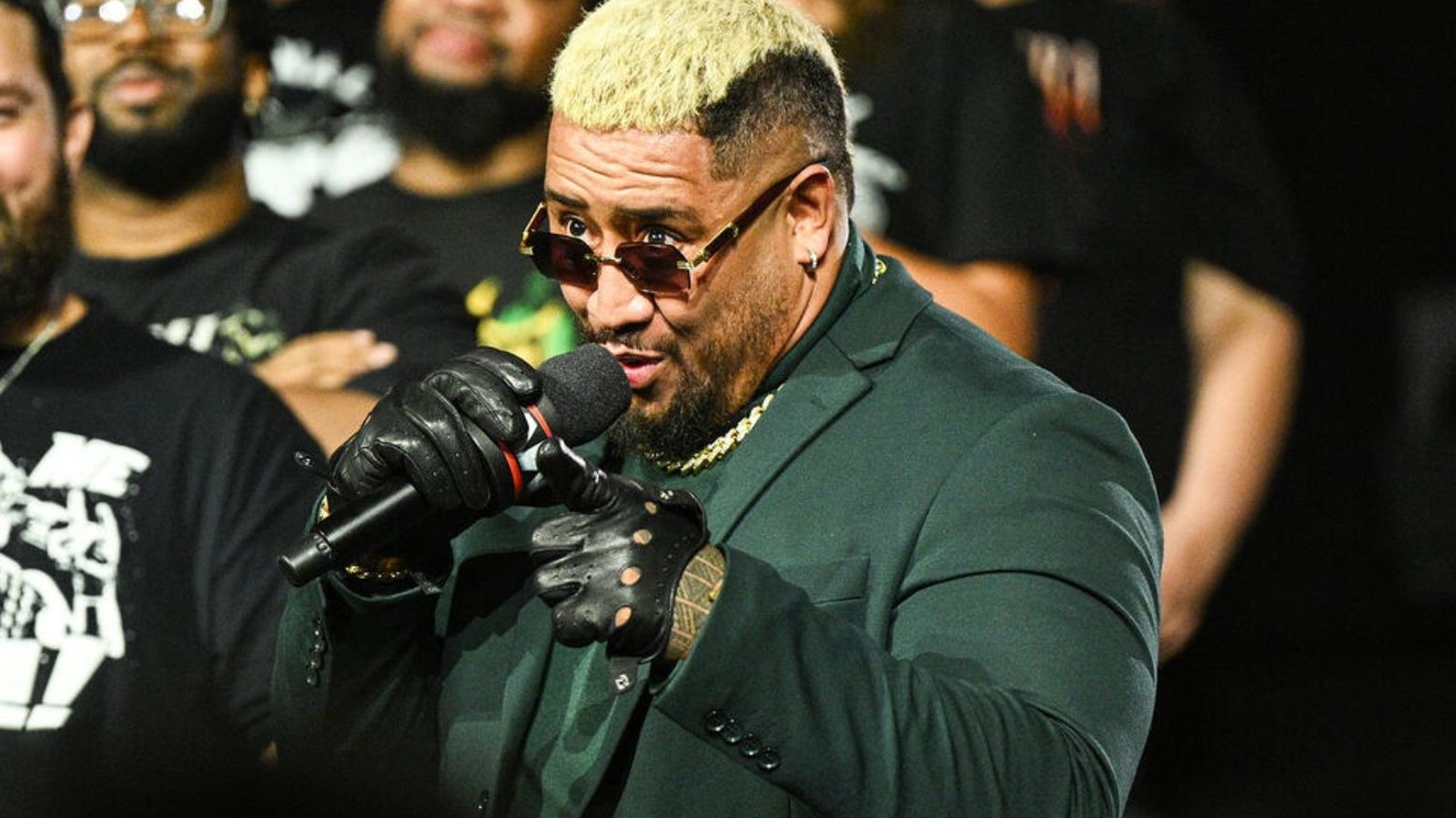
The narrative spine of the August 10 episode was the ongoing Bloodline saga. The show opened with a promo segment between Jey Uso and Solo Sikoa, setting the stage for a high-stakes main event. The match carried a specific condition: if Sikoa lost, he would be "delivered" to Roman Reigns the following week. In the main event, Jey Uso defeated Sikoa, triggering that storyline consequence. This development led to Sikoa being brought before Reigns on the subsequent episode, as part of an effort to persuade him to rejoin the Bloodline. The feud continues to be a central draw for the program, leveraging the deep family history and power struggles within the faction.
Beyond the main event, the card featured other notable matches. Sol Ruca teamed with a returning IYO SKY to defeat Judgment Day's Roxanne Perez and Raquel Rodriguez. This match marked a significant return for SKY, adding depth to the women's division. Additionally, Penta secured a victory over Laredo Kid, advancing in the tournament designed to determine Roman Reigns' next challenger for the World Heavyweight Championship. The tournament adds a layer of competition and stakes to the weekly programming, giving fans a clear path toward a title opportunity.
Overall, the episode maintained the viewership momentum that Raw has enjoyed in recent weeks, even as it faced stiffer competition on streaming charts. The Bloodline storyline remains the engine driving interest, while supporting matches continue to develop new rivalries and showcase returning talent. The slight dip in hours watched could be a signal that viewers are tuning in for key moments but not necessarily watching the entire three-hour broadcast. As summer winds down, Raw will look to build on this consistency while finding ways to convert stable viewership into growth in the competitive fall season.
Article commentary
WWE Raw's viewership stability in mid-August 2026 reflects a broader trend of audience retention that the red brand has cultivated over the latter half of the summer. The show holding at 2.6 million global views for the second consecutive week indicates that the creative direction, particularly the Bloodline storyline, continues to resonate with a core audience. However, the drop in total hours watched—from 5.5 million to 4.5 million—merits attention. It suggests that while the same number of unique viewers are tuning in, they are spending less time per session. This could be due to a variety of factors: the three-hour runtime may be too long for some viewers, or the show's pacing might not hold attention throughout. Alternatively, the drop could reflect a shift in viewing habits, where fans watch specific segments, such as the main event or key promos, rather than the entire broadcast. The decline in Netflix chart position—from sixth to eighth globally and from fourth to fifth domestically—is not alarming in isolation, but it underscores the competitive nature of the streaming environment. Raw is no longer just a cable program; it is a streaming product vying for attention alongside binge-worthy dramas and true crime documentaries. The top three U.S. shows on Netflix during that week were all scripted or documentary series, indicating that Raw's audience is a dedicated niche rather than a broad mainstream draw. This is both a strength and a challenge. The loyalty of the WWE fanbase provides a reliable floor, but breaking through to casual viewers requires compelling storytelling and moments that transcend the wrestling bubble. The Bloodline narrative continues to be the show's primary driver. The Jey Uso vs. Solo Sikoa match, with its stakes of delivering Sikoa to Roman Reigns, delivered a clear payoff that advances the faction's internal conflict. This long-running saga has been the most consistently engaging element of WWE programming for years, and its ability to generate weekly interest is a testament to the performers' charisma and the writers' commitment to serialized storytelling. However, reliance on a single storyline carries risks. If the Bloodline thread loses steam or reaches a natural conclusion, Raw may struggle to maintain its current viewership levels. The tournament to determine Reigns' next challenger for the World Heavyweight Championship is a smart move to build another ongoing narrative, but it remains to be seen whether it can capture the same emotional investment. The return of IYO SKY is a positive development for the women's division, which has at times been overshadowed by the Bloodline men's stories. Pairing her with Sol Ruca against Judgment Day's roster adds depth and gives the women's tag team scene a boost. Similarly, Penta's advancement in the tournament introduces a fresh contender to the world title picture, potentially diversifying the main event scene. Looking ahead, Raw's challenge will be to convert its stable viewership into growth. The slight dip in hours watched suggests that while the show holds its audience, it is not expanding its reach. The fall season often brings increased competition from live sports, new TV premieres, and changing viewer routines. WWE will need to leverage its existing strengths—the Bloodline saga, returning stars, and tournament stakes—while experimenting with new angles and shorter segments to keep viewers engaged for the full three hours. The data from Netflix provides valuable insights, and the creative team should use these metrics to refine the show's pacing and structure. Ultimately, consistency is a good foundation, but it is not a strategy for long-term growth. The next few months will be critical in determining whether Raw can build on this summer's momentum or plateau.