NBA's Harrison Barnes Buys $25M Iowa Bank, Aims to Build Trust
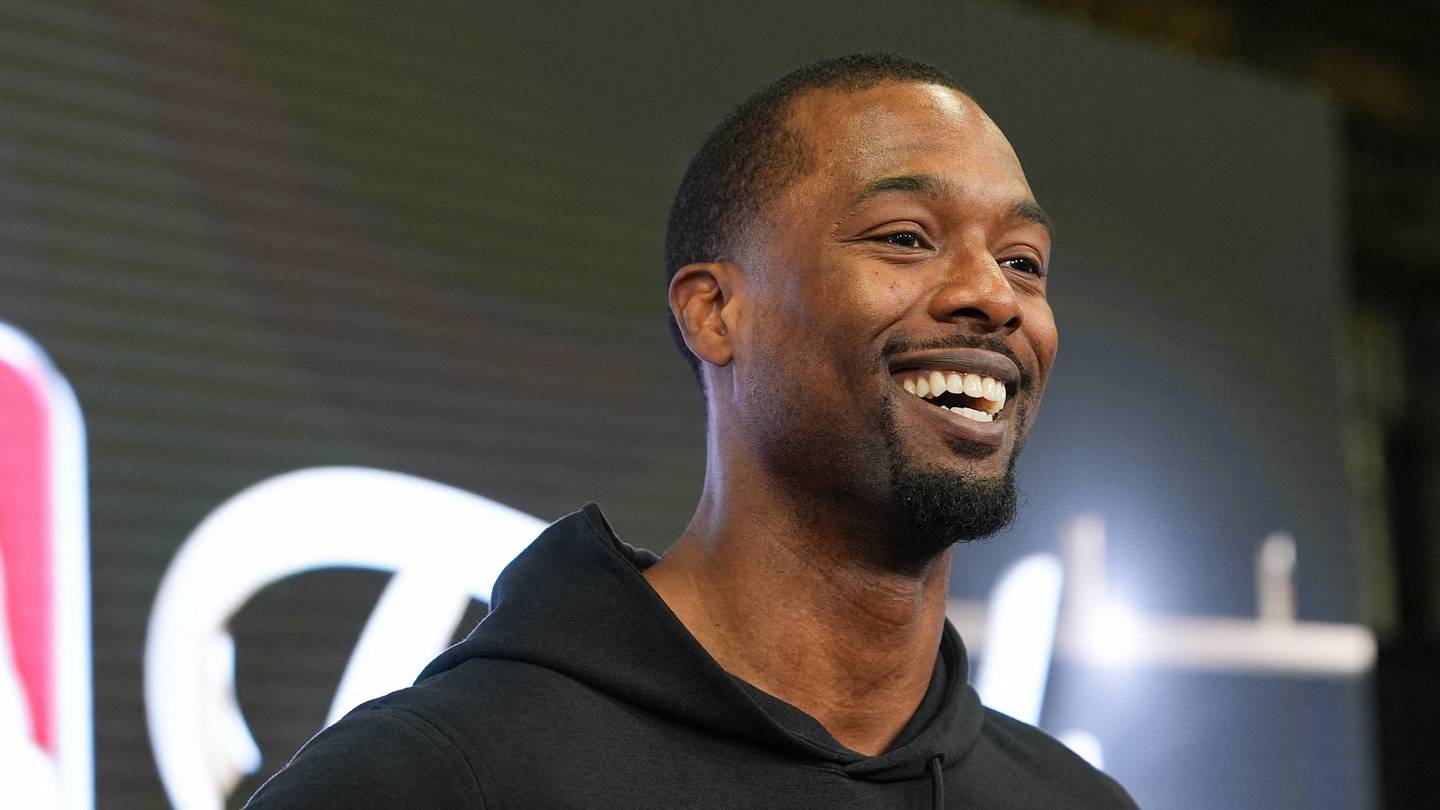
Source: SI NBA. Casualplayhub News adds summary, context, and editorial framing while linking back to the original report.
Ad eligibility review: sensitive-topic
Harrison Barnes, the veteran forward for the San Antonio Spurs, has added a surprising new title to his resume: banker. At 34, Barnes is now the owner of Community State Bank in Paton, Iowa, a small town roughly 45 miles from his childhood home in Ames. He bought the institution with $25 million of his own money, a move he announced by sharing a post from Paul Davis of The Bank State on X, formerly Twitter, on August 28.
“This is not a vanity project,” Barnes told Davis. “We want to be Iowa’s next great bank.” The decision came just a few months after the Spurs advanced to the NBA Finals in June, Barnes’ second trip to the championship series. But his interest in banking isn’t sudden. According to the San Antonio Express-News, he had been attending classes at the Iowa School of Banking since last spring, quietly preparing for a career beyond basketball.
Barnes has always been deliberate about compartmentalizing his life. “You have to be where your feet are,” he said. “When I’m focused on basketball, and I’m in that lane, I’m 100 percent a basketball player. When I’m here trying to figure out how to support best and serve Community State Bank, I’m 100 percent in this lane.”
That mindset was evident to those who shared a locker room with him. Tyrese Haliburton, now a star guard for the Indiana Pacers, recalled a conversation during his rookie season with the Sacramento Kings, when Barnes was already an eight-year NBA veteran. At the time, Haliburton was 20 years old. “H.B. told me this was the plan,” Haliburton remembered on X. “I couldn’t believe what I was hearing. That was the first time I realized dudes in the NBA had real families, are real adults.”
Barnes’ career has taken him from Ames to North Carolina, then to Golden State, Dallas, Sacramento, and finally San Antonio. Along the way, he has consistently invested in communities. Shortly after joining the Spurs, he asked the organization to connect him with local leaders where he could make a difference. That led to a $250,000 donation to the AlamoPROMISE tuition-free program and a partnership with Boys & Girls Clubs to refurbish basketball courts in San Antonio, Austin, and Mexico City. His connection to the Boys & Girls Clubs runs deep: as a child in Ames, the Story County club provided his first indoor basketball court. “I’m a living example of the happiness and success that our young people can achieve when they’re supported and cared for,” Barnes said. “I wouldn’t be here, not only without the Boys & Girls Club, but without all the people that helped me and poured into me.”
Now, by buying Community State Bank—a 70-year-old institution—Barnes hopes to build on a foundation of trust. “When you’re talking about banking, you’re talking about trust,” he explained. “I think the leadership that those guys exemplify on a day-to-day basis makes it exciting to want to support and build upon the legacy that they can say that’s been here now for 70 years.”
The investment also strengthens his ties to Iowa. Ames celebrated “Harrison Barnes Day” in 2015, and his old high school gymnasium now bears his name. He has hosted camps, helped finance a new gym, and returned often despite a demanding NBA schedule. Barnes remains under contract with the Spurs and is coming off his second Finals appearance. When his playing days end, Haliburton noted, Barnes won’t be searching for a path forward—he’s already paved it. Buying into an Iowa bank feels less like a career pivot and more like an extension of the relationships he has cultivated for years. “I think the biggest thing is that every time that you step into a room, you step into a space, you are 100 percent where your feet are at,” Barnes said. “That’s how I find the balance.”
Article commentary
Harrison Barnes’ acquisition of Community State Bank in Paton, Iowa, is a striking example of an athlete leveraging personal wealth and local roots to build a legacy beyond sports. While many NBA players invest in restaurants, real estate, or tech startups, Barnes chose a traditional community bank—a move that signals a patient, long-term vision rather than a flashy side hustle. The $25 million price tag is significant but not reckless for a player who has earned over $170 million in career salary, according to public data. What makes this story particularly compelling is the narrative thread of deliberate preparation. Barnes attended the Iowa School of Banking months before the purchase, and he had confided his plans to teammates years earlier. This contradicts the stereotype of professional athletes as impulsive spenders or passive investors. Instead, Barnes demonstrates a methodical approach to life after basketball, one that mirrors the discipline he brings to the court. His focus on trust is also noteworthy. Community banks thrive on personal relationships and local reputation. By buying a 70-year-old institution in a small town, Barnes is betting that his name and Iowa upbringing will reinforce that trust. He is not entering a high-stakes financial hub like New York or Chicago; he is returning to where he learned responsibility. This aligns with his broader philanthropic pattern—donating to the Boys & Girls Clubs that shaped him, funding tuition programs, and refurbishing courts. His actions suggest a belief that investing in community infrastructure yields returns that are not purely financial. However, critics might question whether an NBA star—even one as thoughtful as Barnes—understands the complexities of banking regulation, risk management, and customer service. The Iowa School of Banking provides foundational knowledge, but running a bank is a vastly different challenge from hitting a three-pointer. Barnes will need to rely heavily on his existing leadership team, which appears to be the current staff at Community State Bank. He has emphasized supporting their legacy, which is a smart starting point. Comparisons to other athlete-owned businesses are inevitable. Michael Jordan’s ownership of the Charlotte Hornets, LeBron James’ media and production company, and Magic Johnson’s diverse business empire all come to mind. But Barnes’ move is more localized and less flashy. It reflects a growing trend of athletes using their wealth to buy existing, stable businesses rather than launching startups. This approach reduces risk but also limits upside—a trade-off that suits Barnes’ personality. Ultimately, this purchase is a story about identity and balance. Barnes has never tried to be a financier first; he remains a basketball player under contract. But he is also a son of Iowa, a husband, a father, and now a banker. By committing fully to each role—‘where his feet are’—he provides a model for how athletes can transition smoothly into post-career lives. The real test will come five or ten years from now, when the bank’s balance sheets and community impact are measured. For now, Barnes has earned the benefit of the doubt.