Dylan Larkin Could Stay in Detroit If Red Wings Hire Right GM
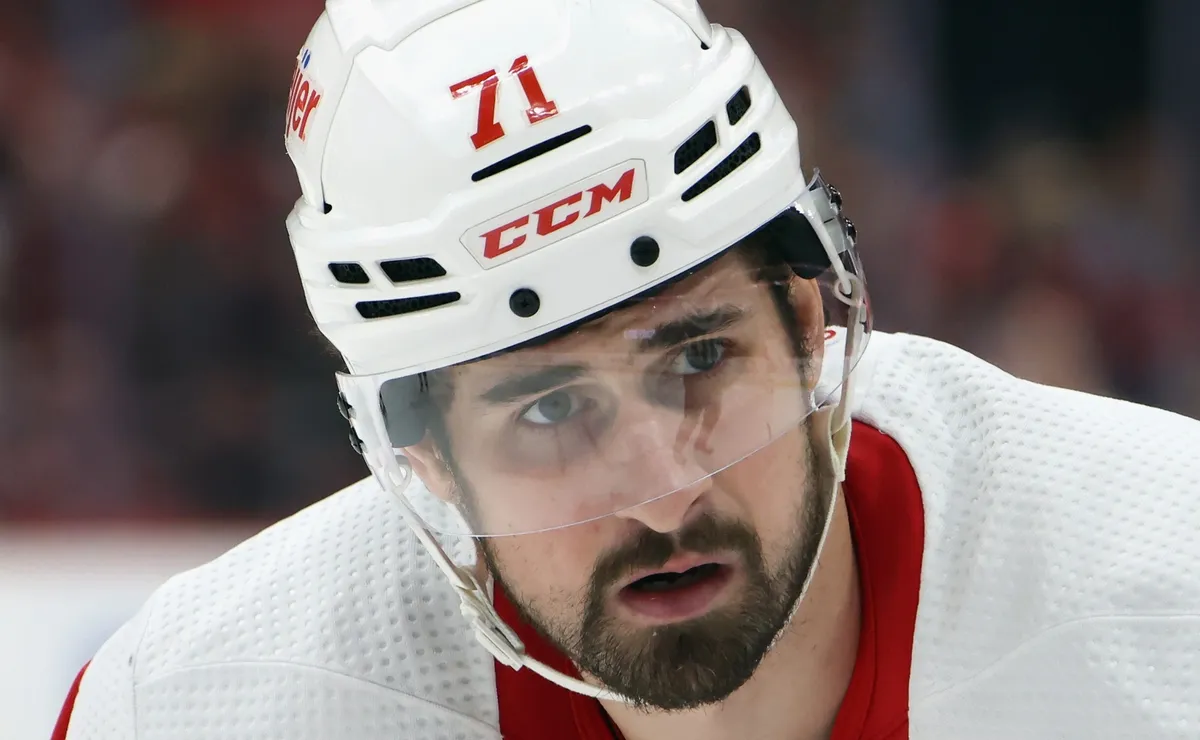
Source: Bolavip. Casualplayhub News adds summary, context, and editorial framing while linking back to the original report.
The Detroit Red Wings find themselves at a crossroads with captain Dylan Larkin, whose trade request shook the organization earlier this offseason. What once seemed inevitable—a parting of ways before the 2026-27 NHL season—now carries a thread of uncertainty. A report circulating around the league hints that the Red Wings may still convince their captain to stay, and it all comes down to one critical factor: who they hire to replace Steve Yzerman as general manager.
Detroit faces an urgent timeline. The search for a new GM is under intense scrutiny, with the Larkin saga hanging over every decision. If the Wings land the right candidate, Larkin might think twice before waiving his no-trade clause. As Kevin Weekes put it on Off The Roster, "I think maybe the change in management might—and I'm not speaking for Larkin—but it might change the dynamic a little bit to make him want to stay. I'm not sure that he ends up being traded." The implication is clear: the next GM could be the deciding factor.
Parting ways with Yzerman was a bold move, but the Red Wings are now down to their last bullet if they want to keep Larkin. The organization needs to seal the deal with a hire that inspires confidence. However, retaining Larkin after the offseason turmoil—one that cost the team dearly in terms of reputation and fan trust—may not sit well with the fanbase. The narrative has shifted dramatically.
Most fans in Detroit have turned on Larkin. They feel betrayed by the home-state captain who asked to leave the organization. The sentiment is that there is no going back. Throughout the offseason, it has been made clear time and again: Red Wings fans are returning the favor. Larkin asked out, and the fanbase is no longer counting on him. Even if he changes his mind and decides to stay in Motor City, he will likely be greeted by a hostile crowd when the puck drops. Some fans argue that the team is better with Larkin on the ice, and that is true in a purely hockey sense. But many no longer care. Pride and pettiness have entered the equation. It is no longer about what is best for the organization; it is about feeling wronged.
If Larkin does start the 2026-27 season in Detroit, the pressure will be immense. He could be booed all night long. That hostility might wane over time, but only if the team strings together wins and Larkin plays at the highest level of his career. Staying put means facing a far heavier burden than leaving. It has been a long time since he first asked out, and he has not given the Red Wings many options to facilitate a trade. The time for refunds is over. It appears too late for Larkin to have a change of heart and expect love and mercy from the fans. If he ends up staying, he will have to win them over—one shift, one goal, one victory at a time.
Article commentary
The Dylan Larkin situation in Detroit is a rare and delicate case in professional sports: a franchise captain requesting a trade, only to potentially reverse course based on a front-office change. The Red Wings' search for a new general manager after Steve Yzerman's departure has become the fulcrum on which Larkin's future balances. This scenario offers a fascinating lens into the dynamics of player-team relationships, fan loyalty, and organizational politics. First, the leverage of the GM hire cannot be overstated. A new leader brings a fresh vision, a different culture, and the ability to rebuild trust. If the Red Wings select a candidate with a strong reputation for player development, competitive drive, and clear communication, Larkin might see a path to success that he previously felt was missing. The quote from Kevin Weekes underscores that the mere change in management could alter the dynamic. This is not just about doling out contracts or making trades; it is about restoring belief in the direction of the franchise. For a player like Larkin, who has spent his entire career in Detroit, the emotional connection to the team and city runs deep. A new GM who can articulate a compelling plan might be enough to make him reconsider his exit. However, the fan reaction adds a volatile layer. The Red Wings faithful have felt a sense of betrayal, and that emotion is not easily erased. Many fans see Larkin's trade request as a sign of disloyalty, especially given his status as captain and homegrown talent. The idea of him staying now, after stirring up such turmoil, feels like a slap in the face to those who supported him through thick and thin. The phrase "no way back" has become a rallying cry. This is a classic case of wounded pride overriding rational team-building. From a purely hockey standpoint, keeping Larkin makes the Red Wings better. He is a top-line center, a leader on the ice, and a player who can drive possession and scoring. But the emotional cost could be high. A hostile rink, night after night, could undermine team morale and create a toxic atmosphere. The locker room would have to be strong enough to shield Larkin from the noise, and the new GM would need to manage that dynamic carefully. From a management perspective, the Red Wings are in a difficult position. They have limited time to find the right GM, and the decision will have ripple effects for years. Hiring a candidate who can both woo Larkin and mend fences with the fans is a tall order. The new GM must be a diplomat as much as a hockey executive. If they succeed in keeping Larkin, they will need to immediately address the fractured relationship with the fanbase—perhaps through transparent communication, community engagement, and a strong start to the season. The alternative is a full rebuild without their captain, which could set the franchise back several seasons. Ultimately, this saga is a reminder that professional sports are not just about strategy and statistics; they are about human emotions, loyalty, and the messy intersection of business and passion. The Red Wings' next move will define not only the 2026-27 roster but also the cultural identity of the team for years to come. Whether Larkin stays or goes, the wounds will take time to heal. The only certainty is that the clock is ticking, and Detroit cannot afford to wait.